
Have you ever wondered why some days your mind feels sharp and focused, while other days it seems foggy and scattered? The key lies in understanding how your brain actually works and developing awareness of your cognitive processes.

Our cognitive abilities—the mental processes that allow us to think, learn, remember, and solve problems—shape every moment of our lives. Yet most of us navigate through daily challenges without truly understanding the intricate machinery operating inside our heads. This lack of awareness can leave us frustrated, overwhelmed, and operating far below our mental potential. The good news? By unlocking the secrets of your cognitive processes and developing metacognitive skills, you can transform your mental clarity, enhance your decision-making, and live with greater purpose and efficiency.
🧠 What Are Cognitive Processes and Why Should You Care?
Cognitive processes encompass all the mental activities that occur in your brain, from perception and attention to memory formation and problem-solving. These processes work together seamlessly, often without conscious awareness, to help you navigate the world around you.
Understanding your cognitive processes matters because it gives you control over your mental performance. When you recognize how your brain processes information, stores memories, makes decisions, and responds to stress, you can optimize these functions rather than being at their mercy. This awareness transforms you from a passive recipient of thoughts to an active architect of your mental landscape.
Think of it like driving a car. Anyone can get behind the wheel and move forward, but understanding how the engine, transmission, and brakes work allows you to maximize performance, prevent breakdowns, and handle challenging conditions with confidence. Your brain deserves the same informed attention.
The Foundation: Metacognition and Self-Awareness
Metacognition—essentially “thinking about thinking”—represents the cornerstone of cognitive mastery. It’s the ability to step back and observe your own mental processes objectively, recognizing patterns, strengths, and areas for improvement.
Developing metacognitive awareness begins with simple observation. Throughout your day, pause periodically to notice what’s happening in your mind. Are you focused or distracted? Is your thinking clear or muddled? What emotions are influencing your thoughts? This practice of mental check-ins creates a feedback loop that gradually sharpens your understanding of how your mind operates under different conditions.
Building Your Metacognitive Muscle
Start by keeping a cognitive journal. Each evening, spend five minutes reflecting on your mental performance throughout the day. Note when you felt most alert, what tasks came easily, and when you struggled. Over time, patterns will emerge—perhaps you’re sharpest in the morning, or maybe certain types of tasks drain your mental energy faster than others.
This data becomes invaluable for optimizing your schedule and approach to challenges. You’ll begin structuring your day around your natural cognitive rhythms rather than fighting against them.
⚡ Attention: The Gateway to Cognitive Excellence
Attention serves as the gateway through which all information enters your cognitive system. Without proper attention, information never makes it into working memory, let alone long-term storage. Yet in our hyper-connected world, attention has become an increasingly scarce resource.
Research shows that the average person checks their phone over 100 times daily, fragmenting attention into countless micro-segments. This constant switching doesn’t just waste time—it fundamentally impairs your ability to think deeply, remember effectively, and solve complex problems.
Mastering attention begins with recognizing its limitations. Your brain can only fully focus on one demanding task at a time. Multitasking is largely a myth; what we call multitasking is actually rapid task-switching, which depletes mental resources and increases errors.
Practical Strategies for Attention Management
Implement the following attention-enhancement techniques to sharpen your focus:
- Time blocking: Dedicate specific periods to single tasks without interruption, starting with 25-minute focused sessions
- Environmental design: Remove distractions from your workspace before beginning cognitively demanding work
- Attention training: Practice mindfulness meditation to strengthen your ability to maintain and redirect focus
- Strategic breaks: Schedule regular intervals for mental recovery to prevent attention fatigue
- Notification management: Turn off non-essential alerts during focus periods to protect your attention span
Memory: Understanding Your Brain’s Storage System
Your memory isn’t a single entity but rather multiple interconnected systems, each with distinct characteristics and purposes. Understanding how these systems work allows you to leverage them more effectively.
Working memory—your mental workspace—holds information temporarily while you manipulate it. It’s essential for reasoning, learning, and comprehension, but has strictly limited capacity. Most people can hold about four chunks of information in working memory simultaneously.
Long-term memory, conversely, has virtually unlimited capacity but requires proper encoding to transfer information from working memory. This transfer doesn’t happen automatically; it requires repetition, meaningful connections, and often emotion.
Optimizing Memory Formation and Retrieval
To enhance your memory capabilities, work with your brain’s natural tendencies rather than against them. The spacing effect demonstrates that distributed practice over time produces better retention than massed practice (cramming). Your brain consolidates memories during sleep, making adequate rest non-negotiable for optimal cognitive function.
Creating meaningful associations dramatically improves memory encoding. When learning new information, actively connect it to existing knowledge. Ask yourself how this information relates to things you already know, why it matters, and how you might use it. These elaborative encoding strategies create multiple retrieval pathways, making information more accessible when you need it.
🎯 Decision-Making: Navigating Cognitive Biases
Every decision you make flows through cognitive processes shaped by both rational analysis and unconscious biases. Understanding these influences allows you to make clearer, more effective choices.
Cognitive biases—systematic patterns of deviation from rationality—affect everyone. Confirmation bias leads us to seek information that supports existing beliefs while ignoring contradictory evidence. The sunk cost fallacy keeps us committed to failing courses of action because we’ve already invested resources. Availability bias causes us to overweight easily recalled examples when estimating probabilities.
Awareness of these biases doesn’t eliminate them, but it creates opportunities for correction. When facing important decisions, deliberately seek disconfirming evidence. Ask yourself what information might prove you wrong, and actively search for it. Consult diverse perspectives that challenge your assumptions.
The WRAP Framework for Better Decisions
Implement this structured approach to important decisions:
- Widen your options: Generate multiple alternatives rather than falling into binary thinking
- Reality-test your assumptions: Seek objective data and diverse perspectives
- Attain distance: Step back emotionally to gain perspective on the decision
- Prepare to be wrong: Consider potential outcomes and plan for various scenarios
Executive Function: Your Brain’s Command Center
Executive functions represent the high-level cognitive processes that control and coordinate other mental activities. These include planning, organization, impulse control, emotional regulation, and cognitive flexibility.
Strong executive function enables you to pursue long-term goals despite short-term temptations, adapt to changing circumstances, and manage complex projects effectively. Weak executive function leads to procrastination, disorganization, and difficulty following through on intentions.
The prefrontal cortex, which houses executive functions, is particularly vulnerable to stress, fatigue, and distraction. When these factors accumulate, you’ll notice declining performance in planning, decision-making, and self-control—the cognitive equivalent of your phone entering low-power mode.
Strengthening Executive Control
Regular physical exercise consistently emerges in research as one of the most powerful ways to enhance executive function. Aerobic activity increases blood flow to the prefrontal cortex and stimulates the production of brain-derived neurotrophic factor (BDNF), which supports neural growth and connectivity.
Challenging cognitive tasks that require sustained focus and mental flexibility also strengthen executive function. Learning a musical instrument, studying a foreign language, or engaging in strategic games all provide this type of beneficial cognitive challenge.
💡 The Role of Emotions in Cognitive Performance
Emotions and cognition aren’t separate systems but intimately interconnected processes. Your emotional state profoundly influences attention, memory, decision-making, and problem-solving.
Moderate positive emotions enhance cognitive flexibility and creative thinking. Research shows that people in positive moods generate more diverse associations and solutions to problems. However, intense emotions—whether positive or negative—can impair rational analysis and lead to impulsive decisions.
Stress deserves particular attention due to its pervasive impact on cognitive function. Acute stress can temporarily enhance focus and memory formation for threat-related information, an evolutionary adaptation for survival. Chronic stress, however, damages the hippocampus (critical for memory formation) and impairs executive function.
Emotional Regulation for Cognitive Clarity
Developing emotional awareness and regulation skills directly supports cognitive performance. Practice labeling your emotions accurately throughout the day. This simple act of naming what you’re feeling activates the prefrontal cortex and reduces activity in the amygdala, effectively turning down emotional intensity.
When facing important cognitive tasks or decisions, assess your emotional state first. If you’re angry, anxious, or otherwise emotionally activated, delay the task if possible or use regulation strategies like deep breathing, brief physical activity, or cognitive reframing before proceeding.
Sleep and Cognitive Restoration
Sleep isn’t merely rest—it’s an active period of cognitive maintenance and optimization. During sleep, your brain consolidates memories, clears metabolic waste products, and strengthens neural connections that support learning.
Sleep deprivation impairs virtually every cognitive process. After just one night of poor sleep, attention wavers, working memory capacity shrinks, decision-making deteriorates, and emotional regulation weakens. Chronic sleep restriction accumulates these deficits, creating a cognitive debt that undermines your mental performance across the board.
Prioritizing sleep isn’t self-indulgent—it’s essential cognitive maintenance. Most adults require 7-9 hours of quality sleep nightly for optimal cognitive function. Protect your sleep by maintaining consistent sleep-wake times, creating a cool, dark sleeping environment, and avoiding screens for at least an hour before bed.
🔄 Neuroplasticity: Your Brain’s Remarkable Adaptability
Your brain isn’t fixed; it’s constantly reorganizing itself in response to experience, a property called neuroplasticity. This means your cognitive abilities aren’t permanently limited by current performance—they can improve throughout life with appropriate practice and challenge.
Neuroplasticity follows use-dependent principles: neural pathways you use frequently strengthen, while those you neglect weaken. This creates both opportunity and responsibility. You’re actively shaping your brain’s structure through your daily activities and habits, whether consciously or not.
To harness neuroplasticity intentionally, engage regularly in activities that challenge your cognitive abilities. Novel, complex tasks that require sustained attention and effort stimulate neural growth most effectively. Variety matters too—diversifying mental challenges creates broader cognitive enhancement than repeatedly practicing a single task.
Building Your Cognitive Enhancement Plan
Understanding cognitive processes means little without practical application. Creating a personalized cognitive enhancement plan transforms knowledge into improved mental performance.
Begin by identifying your cognitive strengths and weaknesses through honest self-assessment. Where do you excel? What cognitive challenges do you regularly face? This awareness guides targeted improvement efforts rather than generic approaches.
Design your daily routine around cognitive optimization principles. Schedule demanding analytical work during your peak alertness periods. Build in attention recovery breaks. Protect your sleep. Incorporate physical activity. Create environmental conditions that support focus.
Tracking Progress and Adjusting Strategies
Maintain a simple system for monitoring your cognitive performance over time. Note patterns in mental clarity, focus quality, memory performance, and decision-making effectiveness. This ongoing feedback allows you to identify what’s working and what needs adjustment.
Remember that cognitive enhancement isn’t about perfection—it’s about consistent progress. Small improvements in awareness and daily practices compound over time into substantial gains in mental clarity and performance.
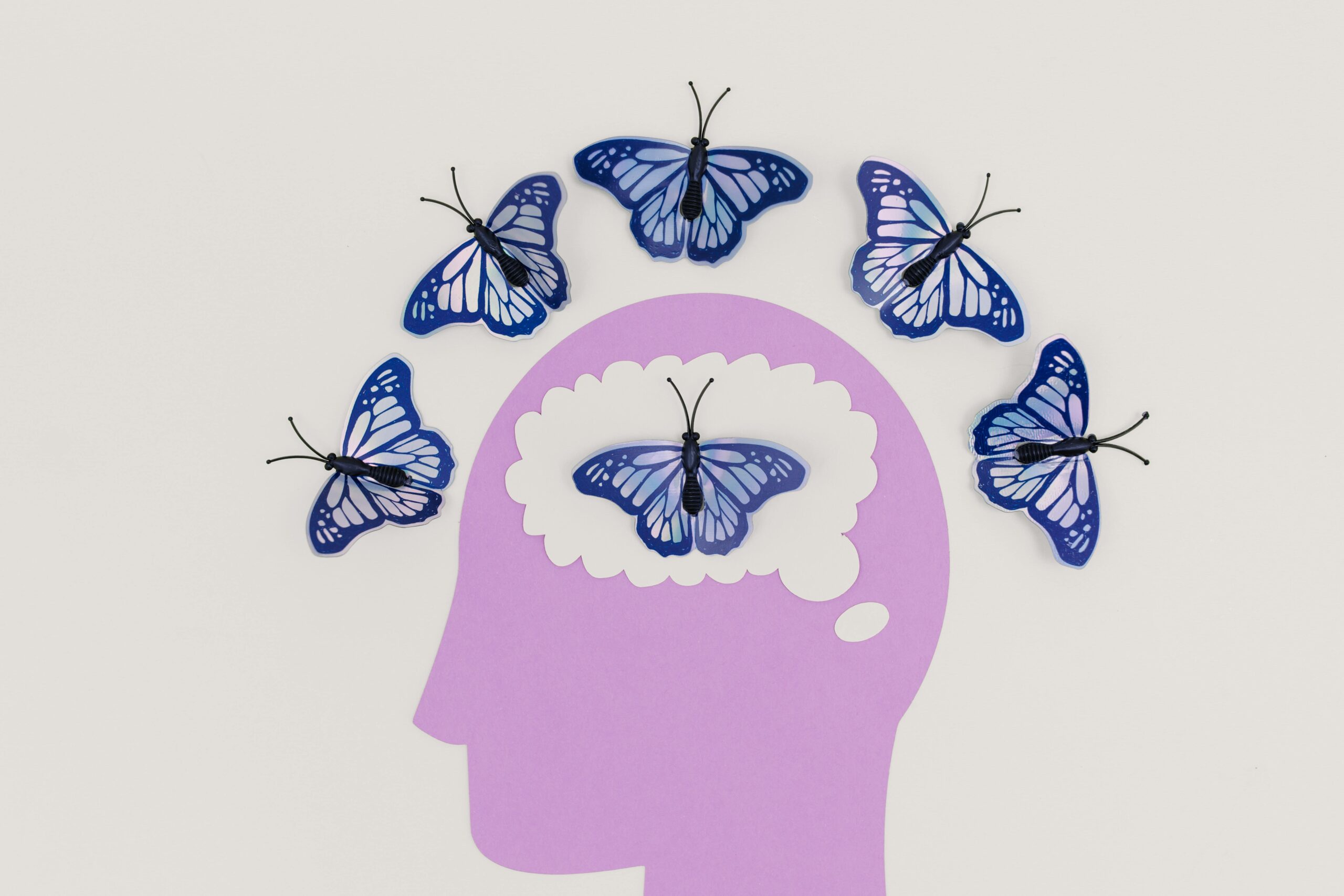
🌟 Living With Enhanced Cognitive Awareness
Mastering awareness of your cognitive processes creates a fundamentally different relationship with your mind. Rather than being buffeted by mental states you don’t understand, you become an informed observer and skilled manager of your cognitive resources.
This mastery manifests in practical ways: you recognize when you’re too tired for complex analysis and reschedule accordingly. You notice attention drifting and redirect it skillfully. You identify emotional influences on your thinking and compensate appropriately. You structure your environment and habits to support your brain’s optimal functioning.
The sharper, clearer you that emerges from this practice isn’t about becoming someone different—it’s about becoming fully yourself, operating at your natural cognitive potential rather than perpetually undermined by preventable obstacles and unrecognized limitations.
Your journey toward cognitive mastery begins with a single step: paying attention to attention itself, becoming curious about how your mind works, and committing to working with your brain’s natural tendencies rather than against them. The investment you make in understanding and optimizing your cognitive processes pays dividends in every area of life, from relationships and career to learning and personal growth.
Start today. Notice how your mind works in this present moment. That simple act of awareness is already beginning to unlock your cognitive potential, creating the foundation for the sharper, clearer future you’re building with each mindful choice.