The classroom of today looks nothing like it did a decade ago. Digital transformation has swept through education, bringing with it unprecedented opportunities to tailor learning experiences to individual student needs, preferences, and abilities.

EdTech personalization tools are reshaping how educators approach teaching and how students engage with learning materials. These innovative solutions harness artificial intelligence, data analytics, and adaptive learning technologies to create customized educational pathways that recognize each learner as unique. The promise is simple yet profound: every student deserves an education that adapts to them, rather than forcing them to adapt to a one-size-fits-all system.
🎯 Understanding EdTech Personalization: More Than Just Customization
Personalization in education technology goes far beyond simply changing a student’s name on a worksheet or allowing them to choose avatar colors. True personalization involves sophisticated systems that analyze learning patterns, identify knowledge gaps, and dynamically adjust content delivery based on real-time performance data.
Modern EdTech personalization tools employ machine learning algorithms that track how students interact with educational content. These systems observe which concepts take longer to grasp, which teaching methods resonate best, and when students are most engaged. This data becomes the foundation for creating truly individualized learning experiences.
The distinction between customization and personalization is critical. Customization allows users to make surface-level changes to their experience, while personalization uses data-driven insights to automatically adapt the learning environment without requiring conscious input from the student. This seamless adaptation creates a more intuitive and effective educational journey.
The Science Behind Adaptive Learning Technologies 🧠
Adaptive learning platforms represent the cutting edge of educational personalization. These systems use psychometric models and cognitive science principles to map each student’s unique learning profile. By continuously assessing performance and engagement, adaptive technologies create detailed models of student understanding.
The underlying algorithms consider multiple variables simultaneously: response time, accuracy patterns, repeated mistakes, and even the sequence of problem-solving approaches. This multidimensional analysis allows the system to identify not just what a student knows, but how they think and learn best.
Research consistently demonstrates that adaptive learning technologies can accelerate student progress by 20-40% compared to traditional instruction methods. These gains stem from the elimination of time wasted on material students have already mastered and the additional support provided for challenging concepts.
Key Components of Effective Adaptive Systems
- Real-time assessment: Continuous evaluation of student performance without disruptive testing
- Content flexibility: Multiple pathways through material based on learning preferences
- Immediate feedback: Instant responses that reinforce correct understanding or redirect misconceptions
- Predictive analytics: Forecasting potential struggles before they become major obstacles
- Skill mapping: Detailed visualization of competency across various topics and concepts
Artificial Intelligence: The Engine of Personalized Learning 🤖
Artificial intelligence has become the powerhouse driving the most sophisticated EdTech personalization tools. Natural language processing enables systems to understand student questions posed in conversational language, while computer vision can analyze handwritten work for deeper insights into problem-solving approaches.
AI-powered tutoring systems can now provide explanations that rival those of experienced human teachers. These intelligent tutors don’t just present information—they engage in Socratic dialogue, asking probing questions that guide students toward deeper understanding rather than simply providing answers.
Machine learning models improve continuously as they interact with more students. Each interaction generates data that refines the system’s ability to predict effective interventions and personalized pathways. This means that EdTech personalization tools become more effective over time, benefiting from the collective learning patterns of thousands or millions of students.
Breaking Down Learning Barriers for Diverse Students 🌈
One of the most transformative aspects of EdTech personalization is its ability to accommodate diverse learning needs without stigmatization. Students with learning differences, language barriers, or varying skill levels can all work with the same platform, receiving appropriately differentiated content automatically.
For students with dyslexia, personalization tools can adjust font types, spacing, and background colors to reduce reading difficulties. English language learners receive scaffolded vocabulary support and translation assistance when needed. Advanced students automatically receive enrichment challenges that prevent boredom and maintain engagement.
This inclusive approach transforms the classroom dynamic. Teachers no longer need to choose between addressing the needs of struggling students and challenging advanced learners—the technology handles differentiation automatically, allowing educators to focus on facilitation and relationship-building.
Accessibility Features That Matter
The best personalization platforms integrate comprehensive accessibility features that adapt to individual needs:
- Text-to-speech and speech-to-text capabilities for students with reading or writing challenges
- Adjustable interface elements including font size, contrast, and layout configurations
- Multi-modal content presentation combining text, audio, video, and interactive elements
- Pace control allowing students to speed up or slow down content delivery
- Alternative input methods including voice commands and switch access
Data Privacy and Ethical Considerations in Educational Technology 🔒
The power of personalization depends entirely on data collection and analysis, which raises important questions about student privacy and data security. Responsible EdTech companies implement robust security measures and transparent data policies that protect sensitive student information.
Parents and educators must understand what data is being collected, how it’s being used, and who has access to it. The best personalization tools provide clear explanations of their data practices and offer granular controls over information sharing and storage.
Ethical considerations extend beyond privacy to questions of algorithmic bias. If training data reflects historical educational inequities, AI systems may inadvertently perpetuate those biases. Leading EdTech developers actively audit their algorithms for fairness and work to ensure that personalization benefits all students equitably.
Implementation Strategies for Schools and Districts 📚
Successfully integrating EdTech personalization tools requires thoughtful planning and ongoing support. Districts that achieve the best outcomes approach implementation systematically, beginning with clear goals and investing in comprehensive professional development.
Teachers need training not just in operating the technology, but in interpreting the data it generates and using insights to inform instruction. The most effective implementations treat personalization tools as supplements to excellent teaching rather than replacements for it.
Pilot programs allow schools to test personalization platforms with limited groups before district-wide rollout. This approach provides valuable feedback, identifies potential challenges, and builds teacher buy-in through demonstrated success stories.
Implementation Timeline and Milestones
| Phase | Duration | Key Activities |
|---|---|---|
| Planning | 2-3 months | Needs assessment, platform selection, stakeholder engagement |
| Professional Development | 1-2 months | Teacher training, technical support preparation, instructional strategy workshops |
| Pilot Implementation | 3-6 months | Limited rollout, data collection, feedback gathering, adjustment |
| Scaled Deployment | 6-12 months | District-wide implementation, ongoing support, continuous improvement |
Measuring Success: Beyond Test Scores 📊
While improved academic performance is certainly a goal of EdTech personalization, the most meaningful outcomes extend far beyond standardized test results. Student engagement, confidence, independence, and love of learning are equally important indicators of success.
Personalization tools provide rich analytics that help educators track these deeper measures of learning. Time-on-task metrics reveal engagement levels. The complexity of challenges students willingly tackle indicates growing confidence. Reduced need for teacher intervention demonstrates increasing independence.
Schools should establish multidimensional success metrics before implementing personalization tools. These might include student self-efficacy surveys, attendance rates, behavioral referrals, and parent satisfaction alongside traditional academic measures. This comprehensive approach provides a fuller picture of impact.
The Role of Teachers in Personalized Learning Environments 👩🏫
Far from making teachers obsolete, EdTech personalization tools elevate the educator’s role. When technology handles content delivery and basic skill practice, teachers gain time for the uniquely human aspects of education: mentorship, inspiration, emotional support, and facilitating collaborative problem-solving.
In personalized learning environments, teachers become learning architects and guides. They use data from personalization platforms to identify students needing intervention, create opportunities for peer learning, and design projects that apply skills in authentic contexts.
This shift requires new pedagogical approaches. Teachers must become comfortable with fluid, non-linear lesson progressions where different students work on different content simultaneously. Classroom management evolves from controlling a group moving through identical material to orchestrating multiple personalized learning pathways.
Emerging Trends Shaping the Future of Educational Personalization 🚀
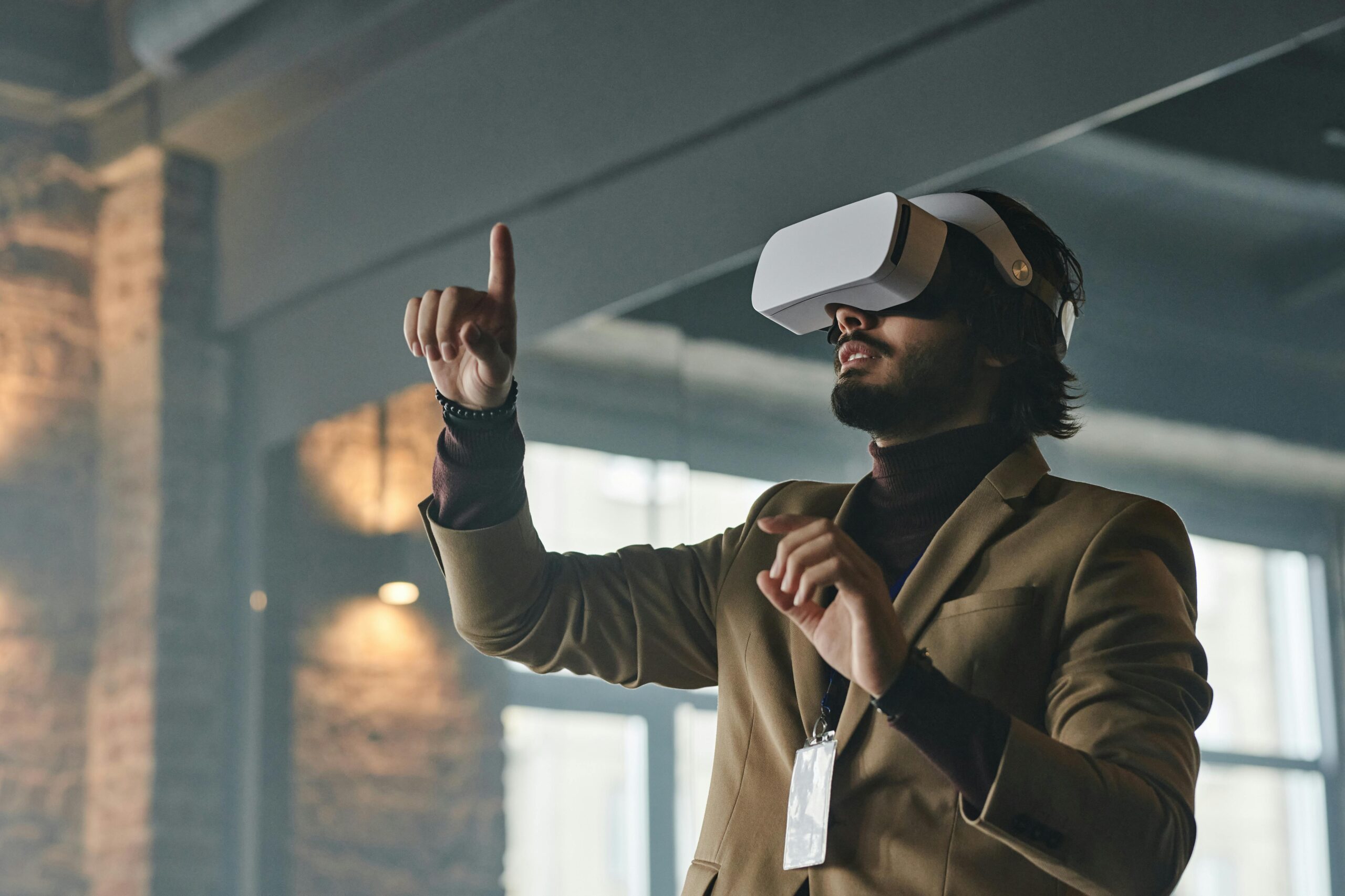
The EdTech personalization landscape continues evolving rapidly. Virtual and augmented reality technologies are beginning to create immersive, personalized learning experiences that were previously impossible. Students can explore historical events, conduct virtual science experiments, or practice professional skills in risk-free simulated environments.
Blockchain technology promises to give students ownership of their learning records, creating portable, comprehensive portfolios that follow them throughout their educational journey. These verified credentials could transform how students demonstrate competency and how institutions evaluate applicants.
Neuroeducation—the intersection of neuroscience and education—is informing next-generation personalization tools. Brain-imaging research reveals how people learn at the neurological level, enabling platforms to optimize content presentation based on cognitive science rather than intuition alone.
Technologies to Watch
- Emotion AI: Systems that read facial expressions and adjust difficulty to maintain optimal challenge levels
- Learning companions: AI chatbots that provide 24/7 homework help and encouragement
- Gamification 2.0: Sophisticated reward systems that personalize motivational strategies
- Collaborative AI: Tools that optimize group compositions based on complementary skills and learning styles
- Predictive intervention: Early warning systems that identify at-risk students before they fall behind
Overcoming Implementation Challenges and Resistance 💪
Despite their potential, EdTech personalization tools face obstacles to adoption. Budget constraints remain a significant barrier, particularly for under-resourced districts. Technical infrastructure challenges, including inadequate internet connectivity or outdated devices, can prevent effective implementation.
Resistance from stakeholders poses another challenge. Some teachers fear being replaced by technology or feel overwhelmed by new systems. Parents may worry about screen time or data privacy. Students accustomed to traditional instruction might initially struggle with greater autonomy and self-direction.
Successful implementation addresses these concerns proactively through transparent communication, inclusive decision-making processes, and demonstrated quick wins. Sharing success stories from similar schools, providing robust support systems, and starting small with pilot programs can build momentum and overcome resistance.
Creating Equitable Access to Personalization Benefits 🌍
The promise of EdTech personalization remains unfulfilled if access is limited to privileged students and well-funded schools. Achieving equity requires intentional efforts to bridge the digital divide and ensure that all students benefit from these powerful tools.
Some districts have implemented device lending programs and community Wi-Fi initiatives to extend access beyond school hours. Open-source personalization platforms offer free alternatives to expensive commercial products, though they may require more technical expertise to implement effectively.
Philanthropic organizations and government programs increasingly recognize educational technology access as a social justice issue. Grants and subsidies help under-resourced schools acquire personalization tools, while partnerships with EdTech companies create affordable pricing tiers for high-need districts.

Empowering Students as Partners in Their Learning Journey 🎓
The ultimate goal of EdTech personalization is developing self-directed, lifelong learners who understand their own learning processes. The best personalization tools make learning visible, helping students recognize their progress, identify effective strategies, and take ownership of their educational journey.
Student dashboards provide transparency into learning data, showing progress toward goals and highlighting areas for focus. Reflection prompts encourage metacognition, helping students think about their thinking and develop learning strategies that extend beyond any single platform or subject.
This empowerment transforms the student-teacher relationship from hierarchical to collaborative. Students become active participants in setting learning goals, choosing pathways through material, and advocating for their needs. These skills prepare them not just for academic success, but for navigating the constant learning demands of modern life.
The revolution in personalized learning through EdTech tools represents more than technological innovation—it’s a fundamental reimagining of education’s purpose and methods. By recognizing and responding to each student’s unique needs, abilities, and potential, these tools unlock success for learners who might have struggled in traditional systems while simultaneously challenging high-achievers to reach new heights.
As these technologies mature and become more accessible, the vision of truly personalized education for every student moves from aspiration to reality. The schools and educators who embrace these tools today are not just improving current outcomes—they’re pioneering the learning environments that will define education for generations to come. The question is no longer whether to personalize learning, but how quickly we can extend these powerful capabilities to every classroom and every student who deserves an education as unique as they are.