Education is undergoing a revolutionary transformation as gamification breathes new life into traditional learning methods, turning classrooms into dynamic playgrounds where knowledge meets adventure.

The integration of game mechanics into educational environments has emerged as one of the most powerful strategies to combat student disengagement and enhance learning outcomes. By incorporating elements like points, badges, leaderboards, and challenges into curriculum design, educators are discovering unprecedented levels of student motivation and participation. This approach taps into the innate human desire for achievement, competition, and recognition, transforming mundane lessons into captivating quests for knowledge.
🎮 The Science Behind Gamification in Education
Gamification leverages fundamental principles of psychology and neuroscience to create compelling learning experiences. When students engage with gamified content, their brains release dopamine, a neurotransmitter associated with pleasure and motivation. This chemical response creates positive associations with learning activities, encouraging students to return for more challenges and reinforcing knowledge retention through repetition and reward.
Research demonstrates that gamified learning environments activate multiple cognitive pathways simultaneously. Visual elements stimulate the occipital lobe, interactive challenges engage the prefrontal cortex responsible for problem-solving, and the reward systems activate the nucleus accumbens, creating a comprehensive brain workout that traditional lecture-based methods rarely achieve.
The concept of flow state, introduced by psychologist Mihaly Csikszentmihalyi, becomes readily accessible through well-designed gamification strategies. When challenges are perfectly balanced with skill levels, students enter this optimal experience zone where time seems to disappear and learning becomes effortless. Game mechanics naturally facilitate this balance by providing progressive difficulty levels and immediate feedback mechanisms.
Essential Elements That Make Educational Gamification Work
Successful gamification in education relies on several core components working harmoniously together. Understanding these elements helps educators design experiences that genuinely enhance learning rather than simply adding superficial game-like features.
Points and Progression Systems 📊
Point systems provide quantifiable measures of achievement and progress. Students earn points for completing assignments, participating in discussions, demonstrating mastery, or helping peers. These numerical representations create tangible evidence of growth, making abstract learning progress concrete and visible. Progressive unlocking of content based on accumulated points creates natural advancement pathways that maintain engagement over extended periods.
Badges and Achievements
Digital badges serve as visual representations of accomplishments and skill acquisition. Unlike traditional grades, badges can recognize diverse achievements including creativity, collaboration, persistence, and improvement. They create a collection mentality that motivates students to pursue complete sets, encouraging exploration of topics they might otherwise overlook. Well-designed badge systems include rare and challenging achievements that provide aspirational goals for advanced learners.
Leaderboards and Social Competition
Competitive elements tap into students’ natural desire for recognition and status. However, effective educational leaderboards must be carefully designed to avoid discouraging struggling students. Strategies include multiple leaderboards for different skills, team-based competitions, and personal best tracking that emphasizes individual growth over peer comparison. Time-limited challenges reset competition regularly, giving everyone fresh opportunities to succeed.
Narrative and Quest Structures 📖
Embedding curriculum within compelling narratives transforms learning objectives into meaningful quests. Students become protagonists in their educational journey, solving problems that advance storylines and unlock new chapters. This contextualization helps students understand the relevance of abstract concepts by connecting them to engaging scenarios and real-world applications. Story-driven learning also enhances memory retention by creating memorable narrative hooks for information storage.
Transforming Traditional Subjects Through Game Mechanics
Different academic disciplines benefit from tailored gamification approaches that respect subject-specific learning objectives while adding engaging interactive layers.
Mathematics Adventures
Mathematics education particularly benefits from gamification strategies. Complex problem-solving becomes treasure hunting expeditions where equations unlock doors and calculations reveal hidden paths. Immediate feedback mechanisms help students identify errors quickly, transforming mistakes from failures into learning opportunities. Progressive difficulty ensures students build foundational skills before advancing to more challenging concepts, preventing the frustration that often accompanies math anxiety.
Language Learning Quests
Language acquisition thrives in gamified environments where vocabulary becomes collectible items and grammar rules unlock special abilities. Conversation practice transforms into character interactions, role-playing scenarios, and dialogue challenges. Point systems reward daily practice streaks, encouraging the consistent exposure essential for language mastery. Competitive pronunciation challenges and speed translation games add excitement to skill-building exercises.
Science Exploration Missions 🔬
Science education benefits from gamification through virtual laboratories, hypothesis-testing challenges, and discovery-based missions. Students conduct experiments as research agents, collect data as evidence, and draw conclusions to solve mysteries. Simulation games allow safe exploration of dangerous or expensive experiments, while augmented reality brings abstract concepts like molecular structures or astronomical phenomena into tangible, manipulable forms.
History and Social Studies Campaigns
Historical events become interactive experiences through timeline challenges, decision-making scenarios, and perspective-taking missions. Students navigate historical periods as active participants, making choices that reveal consequences and deepen understanding of cause-and-effect relationships. Map-based exploration games transform geography lessons into treasure hunts, while cultural simulation games build empathy and global awareness through immersive experiences.
Technology Platforms Powering Educational Gamification
Modern educational technology provides diverse tools for implementing gamification strategies across various learning environments and age groups.
Learning management systems now integrate comprehensive gamification features including customizable point systems, achievement tracking, and progress visualization. These platforms allow educators to design complete gamified courses without extensive technical knowledge. Cloud-based solutions ensure accessibility across devices, enabling students to continue their learning adventures at home, in school, or anywhere with internet connectivity.
Educational game design platforms empower teachers to create custom learning games aligned with specific curriculum objectives. Drag-and-drop interfaces simplify game creation, while template libraries provide starting points for common game types like quizzes, puzzles, and adventure scenarios. Some platforms include student creation tools, transforming learners into game designers who demonstrate understanding by creating challenges for peers.
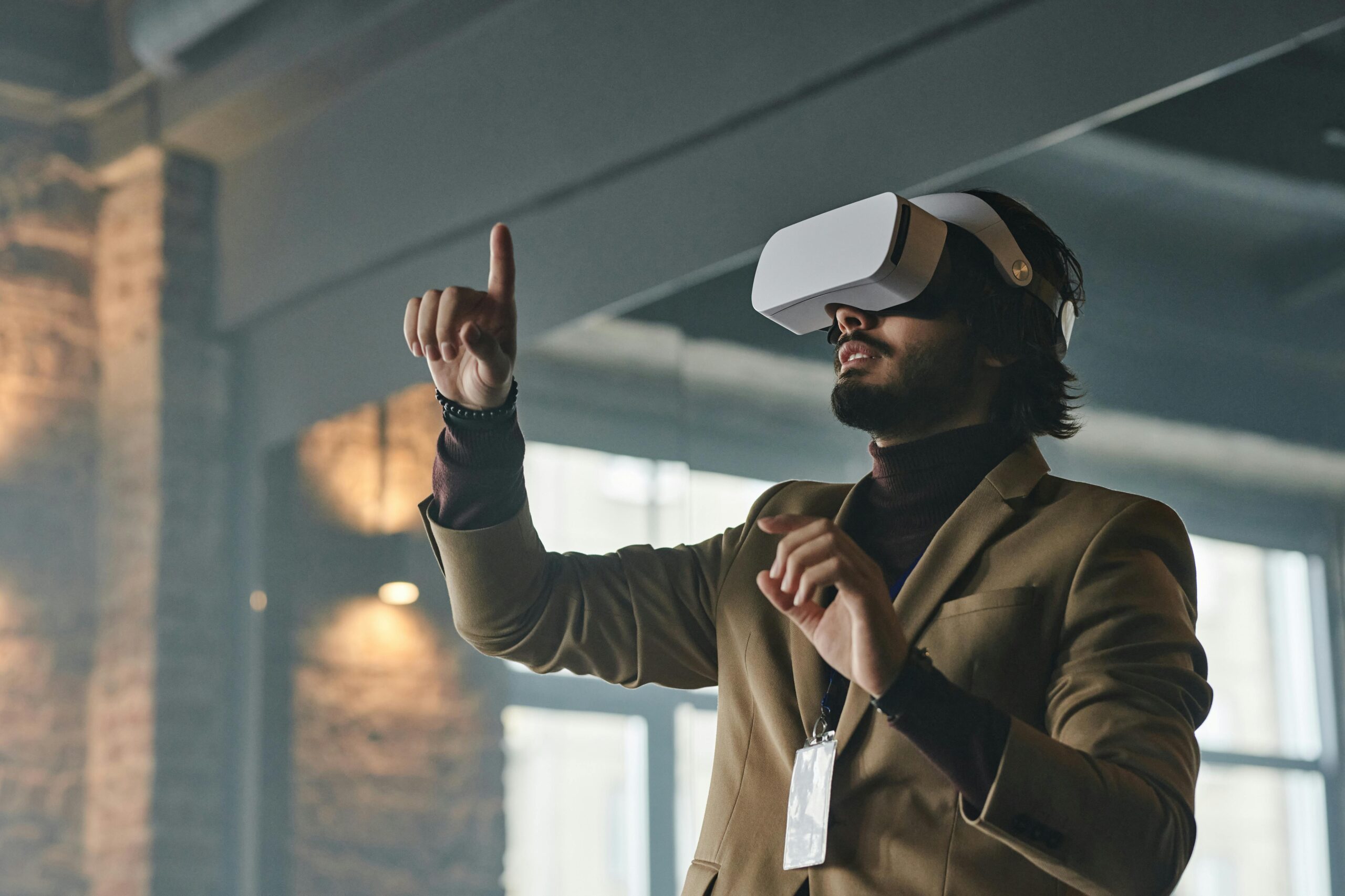
Virtual reality and augmented reality technologies elevate gamification to immersive new levels. Students explore ancient civilizations by walking through historically accurate reconstructions, manipulate three-dimensional molecular models with their hands, or conduct virtual dissections with unprecedented detail. These technologies make abstract concepts tangible and create memorable experiences that significantly enhance retention.
Classroom Implementation Strategies for Educators 👩🏫
Successfully integrating gamification requires thoughtful planning and gradual implementation that respects both pedagogical goals and practical constraints.
Starting small proves more sustainable than attempting comprehensive overnight transformations. Begin with single gamified units or specific subjects, gather feedback, refine approaches, and gradually expand successful strategies. This iterative process allows educators to develop confidence with game mechanics while observing student responses and adjusting elements that don’t work as intended.
Clear communication establishes understanding of how gamification connects to learning objectives. Students should recognize that points and badges represent genuine skill acquisition rather than arbitrary rewards. Transparent rubrics connecting game elements to educational standards help parents and administrators understand pedagogical value beyond surface-level entertainment.
Balancing competition with collaboration prevents gamification from becoming exclusively competitive. Team-based challenges, cooperative quests, and peer teaching opportunities ensure that game elements support community building rather than divisive rivalries. Recognizing diverse achievements beyond purely academic performance acknowledges multiple intelligences and learning styles.
Measuring Success Beyond Traditional Metrics
Gamified learning environments generate rich data streams that provide insights beyond conventional assessment methods. Analytics dashboards track engagement metrics including time on task, attempt patterns, help-seeking behavior, and progress trajectories. This information helps educators identify struggling students earlier, recognize when content needs adjustment, and personalize support interventions.
Student self-reporting provides qualitative data about motivation, enjoyment, and perceived learning gains. Regular reflection activities where students articulate connections between game activities and learning objectives deepen metacognitive awareness. Comparing self-assessed confidence levels before and after gamified units reveals affective learning outcomes that traditional tests miss.
Long-term retention assessments determine whether gamification creates lasting understanding or merely temporary engagement. Follow-up evaluations weeks or months after completing gamified units measure knowledge persistence compared to traditionally taught material. Transfer tasks requiring application of learned concepts to novel situations demonstrate whether gamification supports deep understanding or superficial memorization.
Overcoming Common Gamification Challenges 🎯
Despite its potential, educational gamification faces obstacles that educators must anticipate and address proactively.
Over-justification effects occur when external rewards undermine intrinsic motivation for learning. Students may become more focused on accumulating points than understanding concepts, reducing learning to a transaction. Mitigating this requires emphasizing mastery and understanding over mere completion, designing meaningful rewards connected to genuine achievement, and gradually reducing external incentives as intrinsic interest develops.
Equity concerns arise when gamification inadvertently advantages students with greater gaming literacy or access to technology. Diverse game formats accommodating different skill sets ensure multiple pathways to success. Providing adequate scaffolding helps less experienced students develop gaming competencies without falling behind academically. Offline alternatives ensure that technical limitations don’t exclude students from gamified learning opportunities.
Teacher workload increases substantially when designing, implementing, and managing gamified systems. Pre-built gamification platforms reduce preparation time, while collaborative development spreads effort across teaching teams. Prioritizing high-impact elements over comprehensive gamification maintains sustainability. Professional development supporting gamification literacy helps educators implement strategies efficiently and effectively.
The Future Landscape of Gamified Education
Emerging technologies and evolving pedagogical understanding promise increasingly sophisticated gamification implementations that blur boundaries between education and entertainment.
Artificial intelligence will enable adaptive gamification that responds dynamically to individual learning patterns. Difficulty levels will adjust automatically based on performance, narrative branches will align with student interests, and personalized feedback will address specific misconceptions. AI tutors embedded within game environments will provide just-in-time support that maintains flow states without frustration or boredom.
Blockchain technology may revolutionize educational credentialing through verified achievement records that transcend individual institutions. Students could accumulate portable badges and micro-credentials throughout lifelong learning journeys, creating comprehensive skill portfolios recognized across educational and professional contexts. Decentralized systems would give learners ownership of their achievement data.
Social gaming integration will transform education into collaborative multiplayer experiences where students worldwide work together solving global challenges. Cross-cultural projects embedded within game frameworks will build international understanding while developing academic skills. Persistent virtual worlds will become ongoing learning environments where educational adventures continue evolving across years rather than individual lessons.

Creating Meaningful Educational Adventures That Last 🚀
The ultimate goal of gamification extends beyond making learning fun—it cultivates lifelong learning dispositions and intrinsic curiosity that persist long after game elements disappear.
Effective gamification gradually transfers motivational control from external game mechanics to internal learning drives. Early stages may rely heavily on points and badges, but mature implementations emphasize autonomy, mastery, and purpose. Students progress from playing educational games to recognizing learning itself as rewarding, carrying this mindset into contexts where gamification doesn’t exist.
Connecting game narratives to authentic real-world applications reinforces relevance and purpose. When students see how mathematical problem-solving unlocks engineering solutions, how language skills enable cross-cultural communication, or how scientific reasoning addresses environmental challenges, education transcends classroom boundaries. Gamification becomes the gateway to recognizing learning as a powerful tool for impacting the world.
The transformation of education through gamification represents more than technological innovation—it embodies a fundamental reimagining of what learning experiences can be. By honoring both rigorous educational standards and engaging game design principles, educators create environments where students eagerly pursue knowledge, persist through challenges, and develop skills extending far beyond any curriculum. This approach recognizes that education need not be a chore to endure but rather an adventure to embrace, where every student can be the hero of their own learning journey. As gamification continues evolving and maturing, it promises to make quality education not just accessible but genuinely irresistible, inspiring generations of curious, capable, and confident learners ready to level up both in school and in life.