Education is a fundamental right, yet millions of learners worldwide face barriers that prevent them from accessing quality learning experiences. Technology is now breaking down these walls, creating pathways to knowledge that were previously unimaginable for many students with diverse learning needs.

The intersection of education technology and accessibility represents one of the most transformative movements in modern learning. From students with visual impairments to those with cognitive differences, innovative EdTech tools are reshaping what inclusive education looks like in practice. These solutions aren’t just accommodations—they’re powerful enablers that unlock potential and foster genuine educational equity.
🌍 The Global Imperative for Accessible Education Technology
According to UNESCO, over 1 billion people worldwide live with some form of disability, and many face significant challenges in accessing traditional educational resources. The digital revolution presents an unprecedented opportunity to level the playing field, but only if accessibility is built into the foundation of educational technology rather than added as an afterthought.
The COVID-19 pandemic accelerated the adoption of digital learning tools, exposing both opportunities and gaps in educational accessibility. While some students thrived in remote learning environments, others found themselves further marginalized by platforms that weren’t designed with diverse needs in mind. This experience has catalyzed a renewed focus on creating EdTech solutions that truly serve everyone.
🎯 Understanding the Spectrum of Learning Accessibility Needs
Accessibility in education isn’t a one-size-fits-all concept. Different learners require different supports, and comprehensive EdTech accessibility means addressing a wide range of needs simultaneously.
Visual Accessibility Features
Students with visual impairments benefit from screen readers, text-to-speech functionality, high-contrast modes, and adjustable font sizes. Modern EdTech platforms are incorporating these features natively, allowing students to customize their learning interface according to their specific requirements. Tools like Be My Eyes connect blind and low-vision users with sighted volunteers through live video, providing real-time assistance with educational materials.
Auditory Accommodation Tools
For learners who are deaf or hard of hearing, automated captioning, sign language interpretation, and visual alert systems are essential. Speech-to-text technology has advanced dramatically, making real-time transcription increasingly accurate and affordable. These tools benefit not only students with hearing impairments but also English language learners and those in noisy environments.
Cognitive and Learning Difference Supports
Students with dyslexia, ADHD, autism spectrum disorders, and other cognitive differences often benefit from specialized reading tools, organizational aids, and alternative content presentation formats. Text-to-speech with synchronized highlighting, digital graphic organizers, and customizable pacing options help these learners access content in ways that match their cognitive processing styles.
🚀 Groundbreaking EdTech Accessibility Innovations
AI-Powered Personalized Learning Assistants
Artificial intelligence is revolutionizing accessibility by creating adaptive learning experiences that automatically adjust to individual student needs. These systems analyze how learners interact with content and dynamically modify presentation formats, difficulty levels, and support features. AI chatbots provide on-demand assistance, answering questions and offering guidance in multiple formats—text, voice, or visual—based on user preference.
Machine learning algorithms can identify patterns that suggest a student might benefit from specific accessibility features, even before the learner recognizes the need themselves. This proactive approach to accessibility support represents a significant shift from traditional reactive accommodations.
Immersive Virtual and Augmented Reality
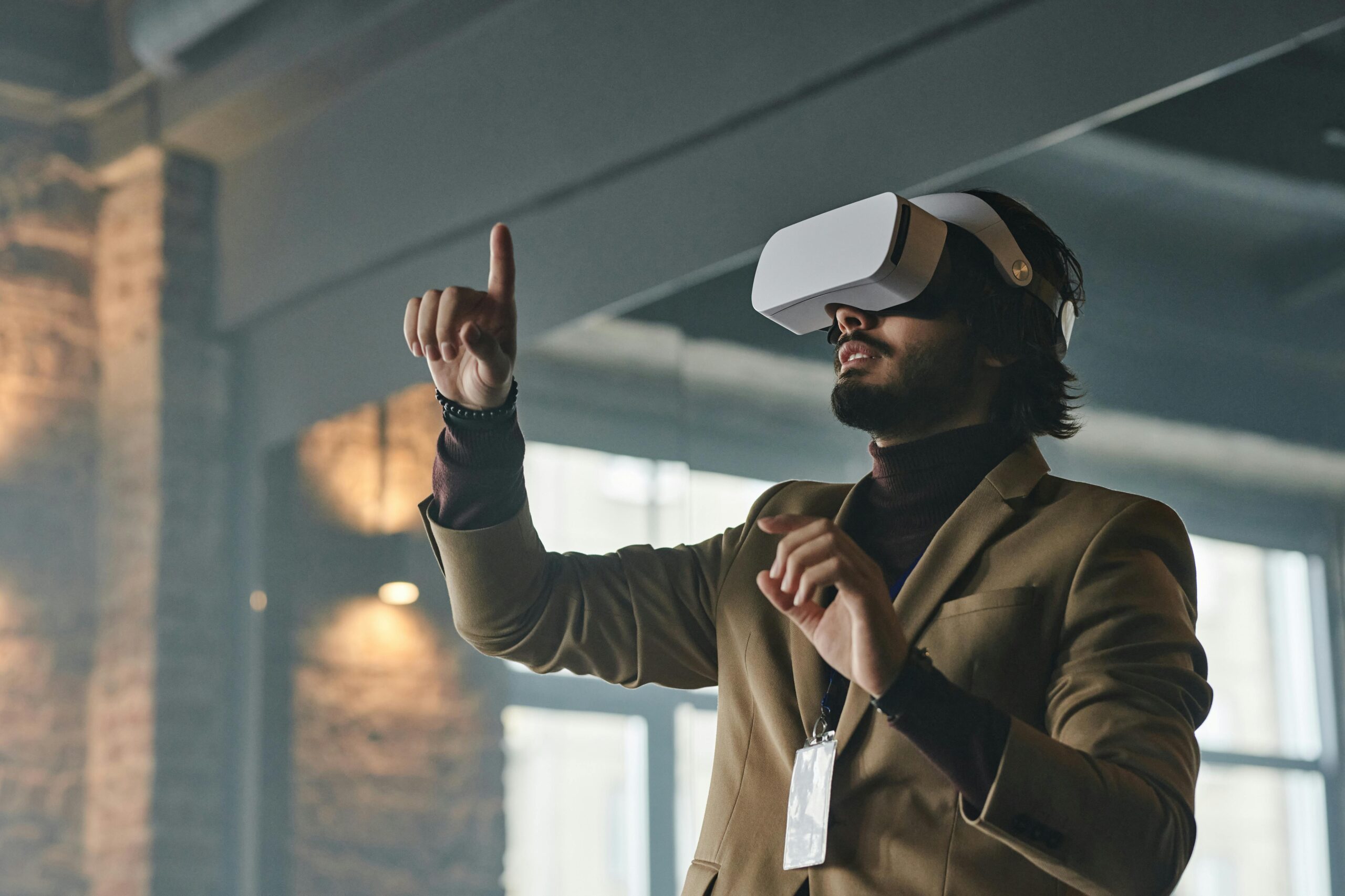
VR and AR technologies are creating experiential learning opportunities that bypass traditional accessibility barriers. For students with mobility impairments, virtual field trips provide experiences that might otherwise be physically inaccessible. For learners with social anxiety, VR environments offer safe spaces to practice communication skills without the pressure of face-to-face interaction.
Augmented reality applications overlay digital information onto the physical world, helping students with visual processing differences better understand spatial concepts. These technologies also support kinesthetic learners who benefit from hands-on, interactive experiences rather than passive content consumption.
Universal Design for Learning (UDL) Platforms
The most forward-thinking EdTech companies are building platforms based on UDL principles from the ground up. Rather than creating standard content and then adding accessibility features, these platforms offer multiple means of representation, expression, and engagement by default. Students can choose how they access information—reading text, listening to audio, watching videos with captions, or interacting with visual diagrams—all within the same lesson.
📱 Mobile Applications Driving Educational Inclusion
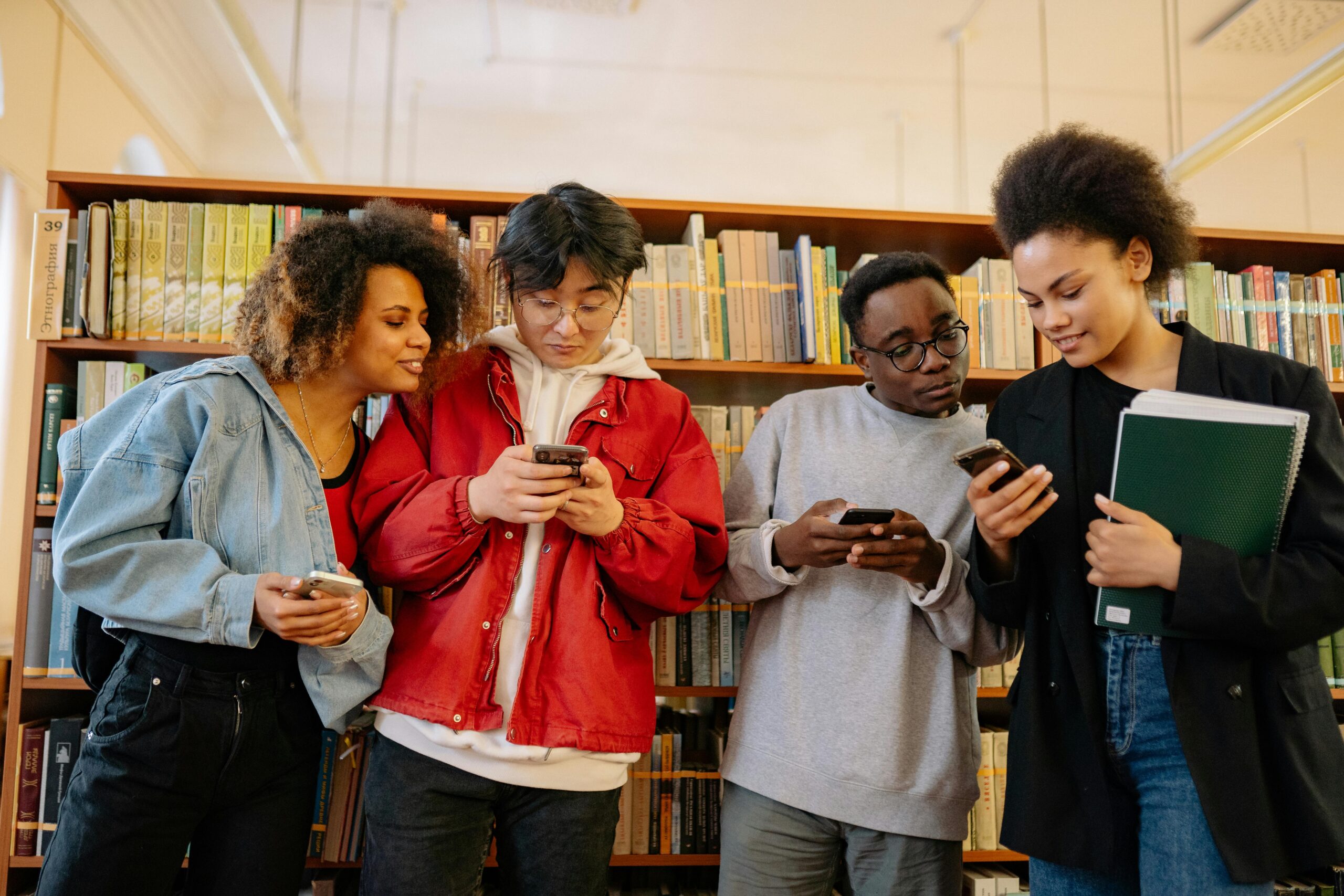
Smartphones have become powerful accessibility devices, putting specialized learning tools in the hands of millions of students worldwide. The portability and multisensory capabilities of mobile devices make them ideal platforms for accessible education applications.
Reading and Literacy Support Apps
Applications like Voice Dream Reader combine text-to-speech with customizable fonts, spacing, and background colors to support diverse reading needs. These apps work across multiple file formats, making textbooks, articles, and web content accessible to learners with dyslexia, visual impairments, or reading difficulties.
Communication and Expression Tools
For students with speech or language impairments, augmentative and alternative communication (AAC) apps transform tablets and phones into powerful communication devices. These applications use symbols, pictures, and text-to-speech to help non-verbal learners express themselves in educational settings, participate in classroom discussions, and demonstrate their knowledge.
Organization and Executive Function Support
Students with ADHD or executive function challenges benefit from apps that break down assignments into manageable steps, provide visual timers, send reminders, and help organize digital materials. These digital scaffolds reduce cognitive load, allowing students to focus on learning rather than getting overwhelmed by organizational demands.
🎓 Transforming Assessment Through Accessible Technology
Traditional testing often measures a student’s ability to navigate the test format rather than their actual knowledge. Accessible assessment technologies are changing this by offering multiple ways for students to demonstrate what they’ve learned.
Multimodal Response Options
Modern assessment platforms allow students to respond via typing, voice recording, video demonstration, or drawing—choosing the modality that best matches their strengths. A student with fine motor challenges might explain their mathematical reasoning through voice rather than writing equations by hand. A visual learner might create a concept map instead of writing an essay.
Adaptive Testing Systems
Computerized adaptive tests adjust question difficulty based on student responses, providing a more accurate measure of knowledge while reducing test anxiety. These systems can also automatically provide accessibility features like extended time, reading assistance, or simplified language based on student profiles, eliminating the stigma sometimes associated with requesting accommodations.
🤝 Collaborative Learning Across Abilities
Inclusive education isn’t just about individual access—it’s about creating learning communities where students of all abilities learn together. Technology enables new forms of collaboration that leverage diverse strengths and perspectives.
Accessible Discussion Platforms
Digital discussion forums with built-in accessibility features allow students to communicate asynchronously in their preferred format. A student who uses AAC can compose thoughtful responses without time pressure. A student with anxiety can participate actively without the stress of in-person discussions. These platforms often produce richer conversations because they accommodate different processing speeds and communication styles.
Peer Support Networks
Technology facilitates connections between students facing similar accessibility challenges, creating peer support communities that transcend geographic boundaries. These networks provide emotional support, practical tips for using accessibility tools, and opportunities for collaborative problem-solving. Students become experts in their own accessibility needs and share strategies with others.
💡 Empowering Educators with Accessibility Tools
Teachers need training and resources to effectively implement accessible EdTech in their classrooms. Innovative professional development programs are helping educators understand accessibility principles and integrate appropriate tools into their teaching practice.
Accessibility Auditing and Planning Tools
Software applications now help teachers evaluate the accessibility of digital content before sharing it with students. These tools scan documents, presentations, and websites for common accessibility issues—missing alt text, insufficient color contrast, inaccessible PDFs—and provide guidance for remediation. This proactive approach prevents accessibility barriers rather than reacting to them after students encounter difficulties.
Content Creation with Built-In Accessibility
Modern content creation tools incorporate accessibility features during the development process. Educators can add captions to videos, create accessible PDFs, and design interactive lessons with multiple representation modes—all within user-friendly interfaces that don’t require technical expertise. These tools make accessibility the path of least resistance rather than an additional burden.
🌟 Real-World Impact Stories
The true measure of accessible EdTech isn’t in technical specifications—it’s in the lives changed and potential unlocked. Students who once struggled to access education are now thriving thanks to thoughtfully designed technology.
A high school student with dyslexia who previously avoided reading now consumes novels voraciously using text-to-speech with word highlighting. A university student with cerebral palsy who struggled with handwritten exams now demonstrates superior knowledge through voice-recorded responses. A middle schooler on the autism spectrum who found classroom interactions overwhelming now participates actively in online discussions where they can process information at their own pace.
These stories aren’t exceptional—they represent the everyday reality for millions of learners who benefit from accessible technology. Each story reinforces the fundamental truth that barriers to learning often reside in our educational methods and materials rather than in the students themselves.
🔮 The Future of Accessible EdTech
Brain-Computer Interfaces
Emerging technologies promise even more dramatic accessibility advances. Brain-computer interfaces are moving from research labs into practical applications, potentially allowing students with severe physical disabilities to control devices and interact with educational content through thought alone. While still in early stages, these technologies represent the next frontier in accessible learning.
Advanced Natural Language Processing
As natural language processing becomes more sophisticated, educational content will automatically adapt its complexity, length, and presentation format based on individual comprehension levels. Real-time language simplification, concept explanation, and contextual support will be seamlessly integrated into learning platforms, providing personalized scaffolding for every student.
Predictive Accessibility Analytics
Future systems will use learning analytics to predict accessibility needs before students struggle. By analyzing engagement patterns, performance data, and interaction styles, AI systems will proactively suggest accessibility features and interventions, creating a truly responsive learning environment that adapts to each student continuously.
🛠️ Implementation Strategies for Schools and Institutions
Adopting accessible EdTech requires more than purchasing software—it demands a comprehensive approach that addresses technology, training, policy, and culture.
Creating an Accessibility-First Culture
Successful implementation begins with leadership commitment to accessibility as a core value rather than a compliance requirement. This means involving students with disabilities in decision-making processes, prioritizing accessibility in technology procurement, and celebrating inclusive practices throughout the organization.
Building Teacher Capacity
Ongoing professional development should include practical training on accessibility tools, understanding of diverse learning needs, and strategies for inclusive instructional design. Teachers need time to experiment with tools, collaborate with colleagues, and receive support as they develop expertise.
Establishing Feedback Loops
Regular consultation with students about what’s working and what needs improvement ensures that accessibility solutions actually meet real needs. Student advisory groups, accessibility surveys, and open channels for reporting barriers create continuous improvement cycles that keep pace with evolving needs and technologies.
🌈 Beyond Compliance: Accessibility as Innovation Driver
The most exciting aspect of accessible EdTech is that designing for accessibility often produces innovations that benefit all learners. Captions help not only deaf students but also those learning in noisy environments or studying in a second language. Text-to-speech supports not only students with reading difficulties but also auditory learners and multitaskers. Voice input helps not only those with motor impairments but also anyone composing thoughts while walking or driving.
This “curb cut effect”—where accessibility features designed for specific needs end up benefiting everyone—demonstrates that inclusive design isn’t about special accommodations but about creating better products for all users. Companies and educators who embrace accessibility as a design principle position themselves at the forefront of educational innovation.
🎯 Taking Action: Moving Forward Together
The tools and technologies for accessible education exist today. What’s needed now is the collective will to implement them systematically and the commitment to continuous improvement as needs evolve and new solutions emerge.
Educational institutions should conduct accessibility audits of their current EdTech tools, involve students with disabilities in evaluation and selection processes, and allocate resources specifically for accessibility initiatives. Educators should explore available tools, experiment with different accessibility features, and share successful practices with colleagues. Technology developers should adopt accessibility standards from the beginning of the design process and actively seek feedback from users with diverse needs.
Parents and students should advocate for accessible technology in their schools, provide feedback on what works and what doesn’t, and celebrate progress while continuing to push for improvement. Policymakers should ensure that funding formulas include resources for accessible EdTech and that accountability systems recognize inclusive practices.
The vision of truly inclusive education—where every student can access, engage with, and demonstrate learning regardless of their abilities—is within reach. Innovative EdTech accessibility tools are turning this vision into reality, one student at a time. By embracing these technologies and the principles behind them, we’re not just improving education for students with disabilities—we’re creating better learning experiences for everyone. The future of education is accessible, inclusive, and boundless in its potential to unlock learning for all. ✨