The fusion of technology and education has opened unprecedented possibilities for transforming how students learn and educators teach. Smart wearables are emerging as powerful tools that bridge the gap between traditional learning methods and personalized, data-driven educational experiences.

As classrooms evolve into dynamic learning ecosystems, the integration of wearable technology promises to revolutionize student engagement, health monitoring, and academic performance tracking. These innovative devices are not just accessories; they represent a fundamental shift in how we approach education in the 21st century, offering real-time insights that were previously impossible to capture.
🎓 The Dawn of Wearable Technology in Educational Settings
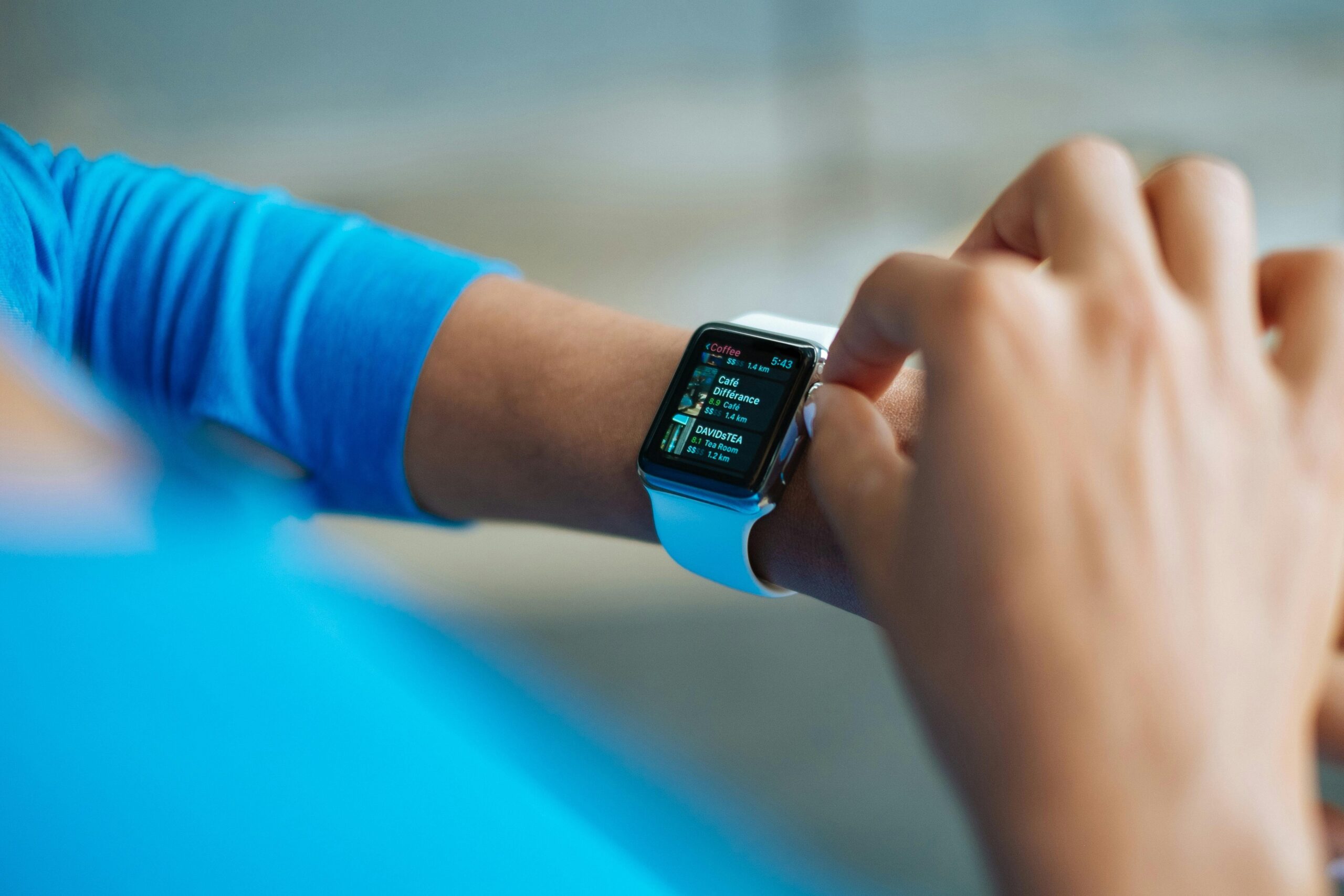
Smart wearables have transcended their initial role as fitness trackers and smartwatches to become sophisticated educational tools. These devices now incorporate advanced sensors, artificial intelligence, and machine learning algorithms that can monitor various aspects of student wellbeing and learning patterns. From tracking physical activity during physical education classes to measuring stress levels during examinations, wearables provide educators with comprehensive data that enables more informed decision-making.
The educational technology market has witnessed exponential growth, with wearable devices becoming increasingly affordable and accessible to schools worldwide. Institutions ranging from primary schools to universities are experimenting with these technologies to create more responsive and personalized learning environments. The data collected through these devices offers unprecedented visibility into student behavior, engagement levels, and potential learning difficulties that might otherwise go unnoticed.
📊 Understanding Student Behavior Through Biometric Data
One of the most compelling applications of smart wearables in education is their ability to collect and analyze biometric data. Heart rate monitors, skin conductance sensors, and motion detectors provide objective measurements of student engagement and emotional states during learning activities. This information helps educators identify when students are confused, stressed, or disengaged, allowing for immediate intervention and support.
Research has demonstrated that physiological responses correlate strongly with cognitive load and learning effectiveness. When students struggle with complex concepts, their stress markers often increase, while engagement in captivating content produces distinct biometric signatures. By monitoring these patterns, teachers can adjust their instructional strategies in real-time, ensuring that no student falls behind due to unrecognized comprehension issues.
Real-Time Attention Monitoring
Advanced wearable devices equipped with eye-tracking technology and EEG sensors can measure attention spans and focus levels with remarkable precision. These devices detect when students’ minds wander or when they achieve deep concentration states, providing valuable feedback for both learners and instructors. This technology enables the creation of adaptive learning systems that can automatically adjust content difficulty or presentation style based on individual attention patterns.
🏃 Promoting Physical Health and Active Learning
The sedentary nature of traditional classroom learning has long been a concern for health professionals and educators alike. Smart wearables address this challenge by encouraging physical activity and monitoring student health metrics throughout the school day. Devices can track steps, calculate calories burned, and remind students to move after prolonged periods of sitting, promoting healthier habits from an early age.
Progressive schools are integrating wearable technology into physical education programs, creating gamified experiences that motivate students to achieve fitness goals. These devices track performance metrics during sports activities, helping students understand their physical progress and set personalized improvement targets. The data collected also assists PE teachers in designing more effective exercise programs tailored to individual fitness levels and needs.
Sleep Patterns and Academic Performance
Sleep quality significantly impacts learning capacity and academic achievement. Many smart wearables now include sleep tracking features that monitor duration, quality, and sleep cycles. By analyzing this data, educators and parents can identify students who may be suffering from sleep deprivation, which often manifests as poor concentration, behavioral issues, or declining grades. This insight enables early intervention strategies to address sleep-related learning obstacles.
🧠 Enhancing Cognitive Development and Memory Retention
Smart wearables are being leveraged to support cognitive development through carefully designed learning interventions. Some devices use haptic feedback and audio cues to reinforce learning at optimal moments, taking advantage of spaced repetition principles to enhance long-term memory retention. These subtle prompts can remind students to review material at scientifically proven intervals, dramatically improving knowledge retention without requiring conscious effort.
Neuroscience-based wearables are also being developed to monitor brain activity patterns associated with different learning states. These devices can identify when students are in optimal cognitive states for absorbing new information versus when they need breaks. By aligning instruction with natural cognitive rhythms, educators can maximize learning efficiency and reduce mental fatigue.
🔐 Privacy, Security, and Ethical Considerations
The implementation of wearable technology in educational settings raises important questions about student privacy and data security. Schools must establish robust policies governing data collection, storage, and usage to protect sensitive biometric and behavioral information. Transparent communication with parents and students about what data is collected, how it’s used, and who has access is essential for building trust and ensuring ethical implementation.
Regulatory frameworks are evolving to address these concerns, with many jurisdictions implementing specific protections for student data. Educational institutions must navigate complex legal landscapes while ensuring that the benefits of wearable technology are not overshadowed by privacy violations or security breaches. Striking the right balance between data-driven insights and personal privacy remains one of the greatest challenges in this field.
Obtaining Informed Consent
Before implementing wearable technology programs, schools must secure informed consent from parents or guardians. This process should include clear explanations of the devices’ capabilities, data collection methods, potential benefits, and any risks involved. Students should also receive age-appropriate education about how their data will be used, empowering them to understand and exercise their privacy rights.
👨🏫 Empowering Teachers with Actionable Insights
Smart wearables generate vast amounts of data that, when properly analyzed, provide teachers with actionable insights to improve instruction. Dashboard interfaces display aggregated class data alongside individual student metrics, highlighting trends and patterns that might indicate learning challenges or opportunities for enrichment. This information transforms teaching from an intuition-based practice to a data-informed science, though experienced educator judgment remains irreplaceable.
Professional development programs are increasingly focusing on data literacy, helping teachers interpret wearable device data and translate it into effective pedagogical strategies. Educators learn to identify correlations between student behavior patterns and learning outcomes, enabling more targeted interventions. The most successful implementations combine technological insights with traditional teaching expertise, creating synergistic approaches that leverage the strengths of both.
🌍 Accessibility and Inclusive Learning Environments
Wearable technology holds tremendous promise for creating more inclusive educational experiences for students with disabilities or special learning needs. Devices can be customized to provide accommodations such as vibration alerts for hearing-impaired students, navigation assistance for visually impaired learners, or stress-reduction interventions for students with anxiety disorders. These personalized supports enable more equitable access to educational opportunities.
For students with autism spectrum disorders, wearables can monitor sensory overload indicators and alert caregivers when environments become overwhelming. This proactive approach prevents meltdowns and creates more comfortable learning conditions. Similarly, students with ADHD benefit from devices that provide gentle focus reminders and help them develop self-regulation skills through biofeedback mechanisms.
Language Learning Applications
Smart wearables are proving particularly valuable in language education contexts. Devices with audio capabilities can provide pronunciation feedback, vocabulary prompts, and conversational practice opportunities throughout the day. This immersive approach accelerates language acquisition by integrating learning into daily routines rather than confining it to classroom hours. Real-time translation features also support multilingual classrooms and international exchange programs.
💡 Gamification and Student Motivation
The gamification capabilities of wearable technology significantly enhance student motivation and engagement. Achievement badges, leaderboards, and progress tracking transform learning activities into exciting challenges that appeal to students’ competitive instincts and desire for recognition. These game-like elements encourage consistent effort and celebrate incremental progress, fostering growth mindsets and resilience in the face of academic challenges.
Collaborative challenges that require teamwork to achieve goals promote social learning and cooperation among students. Wearables can track group activities and award collective achievements, reinforcing the importance of collaboration while maintaining individual accountability. This balanced approach prepares students for modern workplace environments where both individual expertise and team coordination are valued.
🔬 Research Opportunities and Educational Innovation
The wealth of data generated by educational wearables creates unprecedented research opportunities for understanding learning processes. Researchers can conduct large-scale studies examining relationships between physical activity, emotional states, and academic performance with objective, quantifiable data. These insights drive evidence-based innovations in curriculum design, teaching methodologies, and school scheduling that optimize learning outcomes.
Longitudinal studies tracking students over multiple years reveal developmental patterns and the long-term impacts of various educational interventions. This research informs policy decisions and helps identify best practices that can be scaled across educational systems. The scientific rigor enabled by wearable technology elevates education from anecdotal practice to empirically validated methodology.
🚀 Future Trends and Emerging Technologies
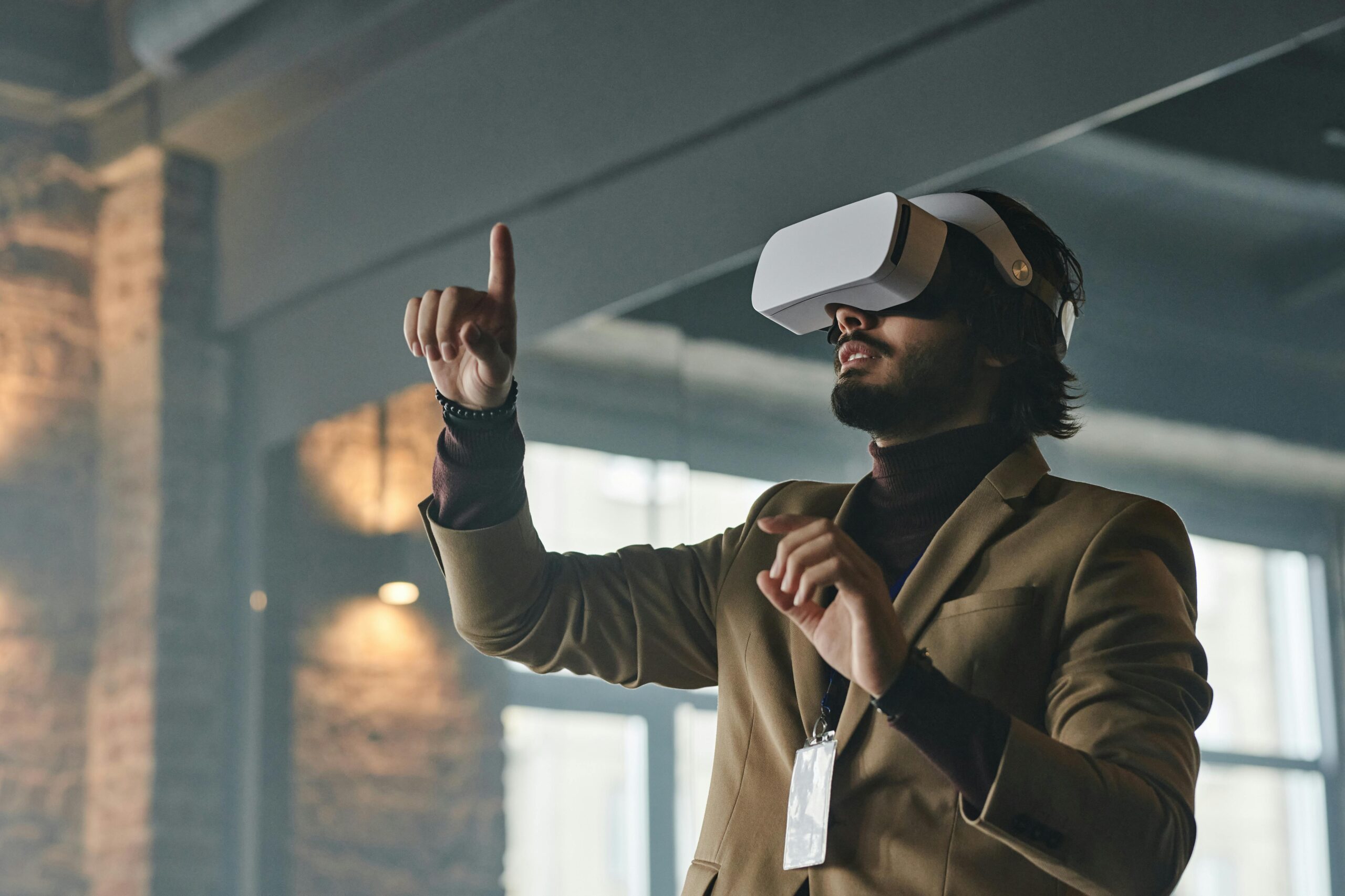
The future of educational wearables promises even more sophisticated capabilities as technology continues advancing. Augmented reality glasses will overlay educational content onto the physical world, creating immersive learning experiences that blend digital and physical environments. Brain-computer interfaces, though still in early development stages, may eventually enable direct neural feedback for optimizing learning states and accelerating skill acquisition.
Artificial intelligence integration will enable wearables to function as personalized learning assistants, offering customized guidance and support tailored to individual learning styles and preferences. These intelligent systems will adapt in real-time to student needs, providing scaffolding when challenges arise and advancing content when mastery is achieved. The classroom of the future will be a highly responsive ecosystem where technology and human instruction work in seamless harmony.
Integration with Virtual and Remote Learning
As remote and hybrid learning models become permanent fixtures in education, wearables play crucial roles in maintaining engagement and connection. These devices help monitor student wellbeing during online classes, ensuring that the transition to digital learning doesn’t compromise health or academic outcomes. Virtual reality headsets combined with biometric sensors create immersive distance learning experiences that rival in-person instruction quality.
💰 Cost Considerations and Implementation Strategies
While the benefits of educational wearables are compelling, schools must carefully consider implementation costs and sustainability. Initial device purchases, infrastructure upgrades, staff training, and ongoing maintenance represent significant investments. Strategic planning involves phased rollouts, pilot programs, and partnership opportunities with technology companies offering educational discounts or grant programs.
Cost-benefit analyses should account for both direct financial impacts and intangible benefits such as improved student outcomes, enhanced teacher effectiveness, and potential healthcare cost reductions from promoting healthier lifestyles. Many schools find that starting with specific use cases—such as physical education or special education programs—demonstrates value before expanding to campus-wide implementations.
🤝 Building Collaborative Ecosystems
Successful wearable technology programs require collaboration among multiple stakeholders, including educators, students, parents, technology providers, and policymakers. Open communication channels ensure that all parties understand program objectives, participate in decision-making processes, and contribute to continuous improvement efforts. Regular feedback loops help identify issues early and adapt strategies to meet evolving needs.
Partnerships with universities and research institutions provide access to expertise and resources that enhance program effectiveness. These collaborations often yield innovations that benefit the broader educational community, contributing to collective knowledge about best practices in educational technology implementation. Sharing successes and lessons learned accelerates adoption and helps avoid common pitfalls.
🌟 Transforming Assessment and Evaluation Methods
Traditional assessment methods focusing primarily on test scores provide limited insights into student capabilities and learning processes. Wearable technology enables continuous, multidimensional assessment that captures effort, progress, engagement, and skill development over time. This holistic approach produces more accurate pictures of student achievement and identifies strengths that conventional testing might overlook.
Portfolio-based evaluations incorporating wearable data demonstrate growth trajectories and learning journeys rather than single-point-in-time performances. Students benefit from seeing their own progress visualized through charts and graphs, which builds metacognitive awareness and self-directed learning skills. This shift toward growth-oriented assessment aligns with contemporary understanding of learning as an ongoing developmental process rather than a series of discrete achievements.
🎯 Maximizing the Potential of Smart Wearables
The successful integration of wearable technology in education requires thoughtful implementation that prioritizes student wellbeing, learning outcomes, and ethical considerations. Schools must invest not only in devices but also in professional development, infrastructure, and support systems that enable effective utilization. When implemented with care and intention, these technologies create learning environments that are more responsive, personalized, and effective than ever before possible.
As we stand at the intersection of education and technology, smart wearables represent more than innovative gadgets—they embody a vision of education that recognizes each student’s unique needs, strengths, and potential. By harnessing these tools wisely, we can create learning experiences that prepare students not just for academic success but for thriving in an increasingly complex and interconnected world. The revolution in education has begun, and wearable technology is lighting the path forward toward more equitable, engaging, and effective learning for all students.