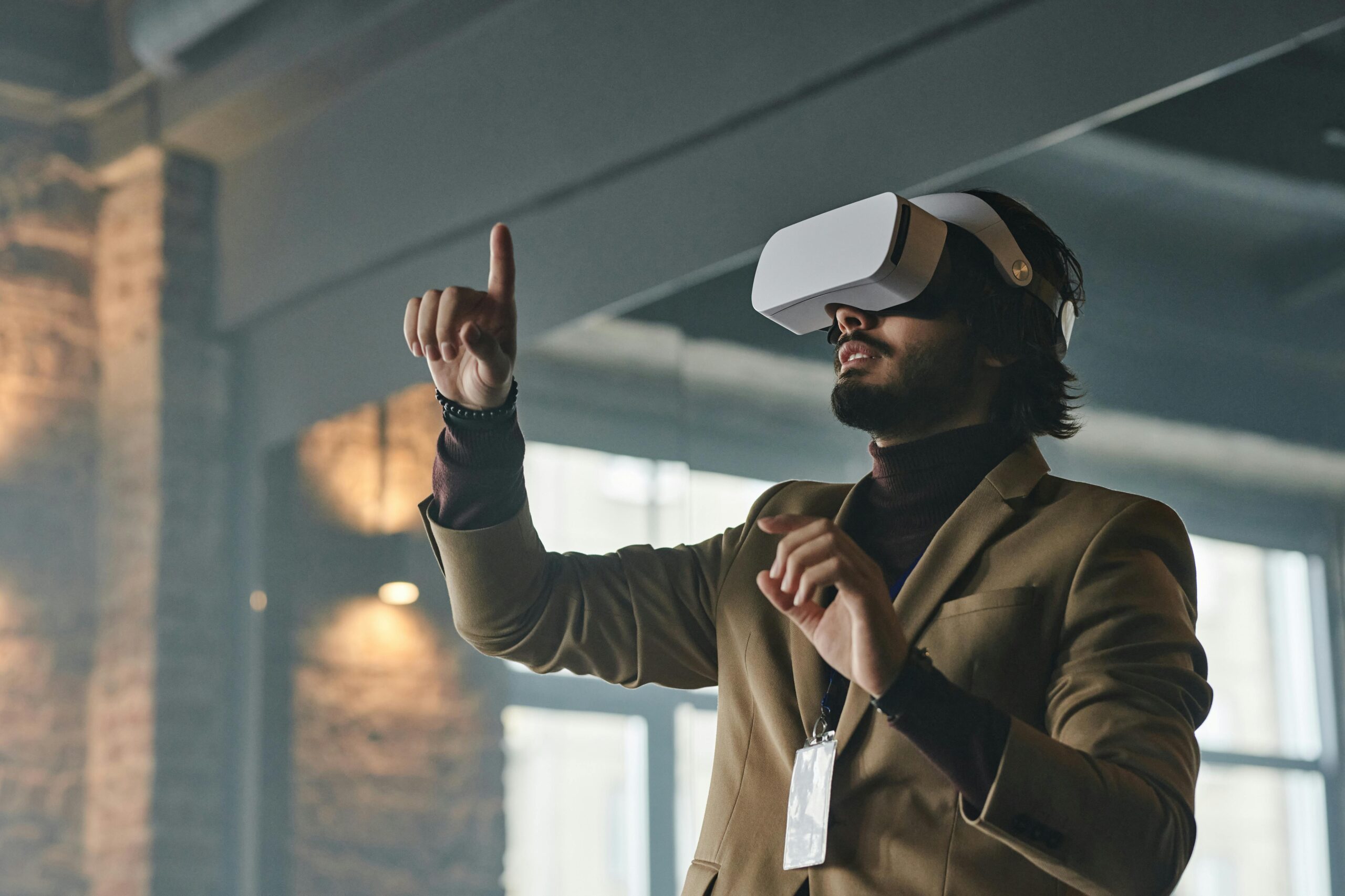
Education is no longer confined to textbooks and lectures. Today’s learners demand dynamic, interactive experiences that captivate their attention and foster genuine understanding. Interactive curriculum design represents a paradigm shift in how we approach teaching and learning.

The traditional classroom model, where students passively receive information, is rapidly becoming obsolete. Modern educators recognize that engagement is the cornerstone of effective learning, and interactive curriculum design provides the framework to achieve this goal. By integrating technology, hands-on activities, and collaborative projects, we can create learning environments that truly resonate with students of all ages.
🎯 Understanding Interactive Curriculum Design
Interactive curriculum design is an educational approach that places learner engagement at its core. Rather than viewing students as empty vessels to be filled with knowledge, this methodology recognizes them as active participants in their own educational journey. The approach combines pedagogical theory with practical implementation strategies to create learning experiences that are both meaningful and memorable.
At its foundation, interactive curriculum design incorporates multiple learning modalities to address diverse student needs. Visual learners benefit from infographics and videos, auditory learners engage with podcasts and discussions, while kinesthetic learners thrive through hands-on activities and simulations. This multi-faceted approach ensures that every student has opportunities to learn in ways that align with their natural preferences.
The Science Behind Engagement
Neuroscience research consistently demonstrates that active engagement significantly enhances memory retention and comprehension. When students interact with content rather than passively consuming it, their brains form stronger neural connections. This cognitive process, known as active learning, has been shown to improve academic performance by up to 50% compared to traditional lecture-based instruction.
Interactive learning environments also trigger the release of dopamine, a neurotransmitter associated with motivation and reward. This biological response creates positive associations with learning, encouraging students to pursue knowledge with enthusiasm rather than obligation. The result is a self-reinforcing cycle where engagement leads to success, which in turn fuels further engagement.
🚀 Key Components of Interactive Curriculum Design
Creating truly interactive curriculum requires careful consideration of multiple elements that work together to create cohesive learning experiences. Each component plays a vital role in transforming passive observers into active participants.
Technology Integration
Technology serves as a powerful enabler of interactive learning, but it must be implemented thoughtfully. The goal is not to use technology for its own sake, but to leverage digital tools that genuinely enhance the learning experience. Educational apps, virtual reality simulations, and collaborative platforms can break down barriers of time and space, creating opportunities for learning that were previously impossible.
Learning management systems allow educators to create personalized pathways through content, enabling students to progress at their own pace while receiving immediate feedback. Gamification elements such as badges, points, and leaderboards tap into students’ competitive instincts, making learning feel more like play than work.
Collaborative Learning Opportunities
Humans are inherently social creatures, and learning is fundamentally a social activity. Interactive curriculum design prioritizes collaboration, creating structured opportunities for students to work together on projects, solve problems collectively, and learn from one another’s perspectives. These collaborative experiences develop critical soft skills such as communication, teamwork, and conflict resolution.
Group projects, peer review sessions, and collaborative problem-solving activities help students understand that knowledge is not simply transmitted from teacher to student, but constructed through dialogue and shared exploration. This social constructivist approach aligns with how learning actually occurs in real-world professional environments.
Real-World Connections
Abstract concepts become meaningful when students can see their practical applications. Interactive curriculum design bridges the gap between classroom learning and real-world relevance by incorporating authentic tasks, case studies, and project-based learning opportunities. When students understand how their learning applies beyond the classroom walls, motivation and engagement naturally increase.
Field trips, guest speakers, internships, and community service projects all serve to contextualize learning within broader social and professional frameworks. These experiences answer the perennial student question: “When will I ever use this?”
💡 Strategies for Implementation
Transitioning from traditional to interactive curriculum design requires strategic planning and thoughtful execution. Educators must consider both the pedagogical principles and the practical realities of their specific teaching contexts.
Start with Clear Learning Objectives
Every interactive element should serve a specific pedagogical purpose. Before incorporating any activity or technology, educators should ask themselves what learning objectives it will help students achieve. This intentionality ensures that interactive elements enhance rather than distract from core learning goals.
Backward design methodology provides a useful framework: begin with desired outcomes, determine acceptable evidence of learning, and then design learning experiences that will lead students to those outcomes. This approach ensures alignment between objectives, assessments, and activities.
Diversify Assessment Methods
Traditional tests and quizzes have their place, but interactive curriculum design calls for more varied assessment approaches. Performance-based assessments, portfolios, presentations, and digital projects allow students to demonstrate understanding in multiple ways. These alternative assessments often provide richer evidence of learning than conventional exams.
Formative assessment should be woven throughout the learning process, providing students with regular feedback that helps them adjust their understanding in real-time. Quick polls, exit tickets, and digital quizzes can give teachers immediate insights into student comprehension, allowing for responsive teaching adjustments.
Create a Safe Learning Environment
Interactive learning requires students to take risks, make mistakes, and learn from failure. This only happens in environments where students feel psychologically safe. Educators must cultivate classroom cultures that celebrate curiosity, normalize error as part of the learning process, and encourage students to push beyond their comfort zones.
Setting clear expectations for respectful discourse, modeling vulnerability by sharing your own learning journey, and explicitly teaching growth mindset principles all contribute to creating spaces where students feel comfortable engaging fully.
📊 Measuring Success in Interactive Learning
Evaluating the effectiveness of interactive curriculum design requires looking beyond traditional metrics. While test scores remain important, they tell only part of the story. A comprehensive evaluation considers multiple indicators of student growth and engagement.
Quantitative Measures
Academic performance data provides objective evidence of learning outcomes. Comparing pre- and post-assessment results can demonstrate knowledge gains. Tracking completion rates, time on task, and participation frequencies in digital platforms offers insights into engagement levels. Attendance rates often improve when students find learning experiences compelling and relevant.
Qualitative Indicators
Student surveys and reflections reveal how learners perceive their educational experiences. Questions about motivation, interest, and perceived relevance provide valuable feedback for curriculum refinement. Observational data documenting student interactions, questions asked, and problem-solving approaches offer rich qualitative evidence of engagement.
Parent and community feedback can also illuminate how learning transfers beyond the classroom. When students share their learning enthusiastically with family members or apply concepts in extracurricular contexts, it signals genuine engagement and understanding.
🌟 Overcoming Common Challenges
Implementing interactive curriculum design is not without obstacles. Recognizing common challenges and developing strategies to address them increases the likelihood of successful implementation.
Resource Constraints
Limited budgets and technology access can seem like insurmountable barriers to interactive learning. However, many interactive strategies require minimal resources. Discussion-based learning, peer teaching, role-playing activities, and project-based learning can all be implemented without expensive technology or materials.
When technology is incorporated, prioritize tools that offer the greatest versatility and accessibility. Many free or low-cost digital platforms provide robust features for interactive learning. Open educational resources provide high-quality content without licensing fees.
Time Management
Interactive activities often require more class time than traditional lecture-based instruction. Educators must make strategic decisions about content coverage versus depth of engagement. The solution lies not in covering less material, but in identifying the most essential concepts and ensuring students truly master them rather than superficially encountering more topics.
Flipped classroom models can help maximize interactive time during class by moving content delivery to homework assignments. Students watch videos or complete readings at home, freeing class time for discussion, collaboration, and application.
Professional Development Needs
Many educators received their training in traditional pedagogical approaches and may feel uncertain about implementing interactive methods. Ongoing professional development is essential. Teachers need opportunities to experience interactive learning as participants, collaborate with colleagues to design lessons, and receive coaching as they implement new strategies.
Professional learning communities where educators share resources, troubleshoot challenges, and celebrate successes create supportive environments for instructional innovation. Mentorship programs pairing experienced interactive educators with those new to these approaches accelerate skill development.
🎓 The Future of Interactive Curriculum Design
Emerging technologies and pedagogical insights continue to expand possibilities for interactive learning. Artificial intelligence offers personalized learning pathways that adapt in real-time to student needs. Virtual and augmented reality create immersive experiences that were previously unimaginable, allowing students to explore historical events, manipulate molecular structures, or practice surgical techniques in risk-free environments.
The COVID-19 pandemic accelerated adoption of digital learning tools, demonstrating that quality education can occur in varied formats and settings. Hybrid models combining face-to-face and online learning offer flexibility while maintaining the benefits of human connection. These innovations are not temporary responses to crisis, but permanent expansions of educational possibilities.
Preparing Students for an Uncertain Future
Interactive curriculum design does more than improve immediate learning outcomes; it develops the skills students need for lifelong success. The ability to collaborate effectively, think critically, solve complex problems, and adapt to new situations are competencies that transcend any specific content area. These transferable skills prove invaluable in rapidly changing professional landscapes.
By positioning students as active agents in their own learning, interactive curriculum design fosters self-directed learning habits that serve students long after formal education ends. In an era where career changes are common and continuous learning is essential, these metacognitive skills may be the most valuable outcomes of education.
🌈 Transforming Education One Classroom at a Time
The revolution in curriculum design is not a distant future possibility—it is happening now in classrooms around the world. Educators who embrace interactive approaches report higher job satisfaction as they witness students genuinely excited about learning. Students develop deeper understanding, stronger skills, and more positive attitudes toward education.
This transformation does not require wholesale abandonment of everything that came before. The best interactive curriculum design thoughtfully integrates timeless pedagogical wisdom with contemporary innovations. Direct instruction still has its place, but as one tool among many rather than the default approach.
Every educator can begin implementing interactive strategies immediately, starting small and building over time. Replace one lecture with a collaborative problem-solving session. Incorporate one technology tool that enables student creation rather than passive consumption. Design one assessment that allows students to demonstrate learning through authentic performance. These incremental changes accumulate into transformative practice.

💪 Empowering Educators as Designers
Interactive curriculum design positions teachers as learning experience designers rather than content deliverers. This elevated role recognizes the professional expertise educators bring to their work. Teachers become curators, selecting and arranging learning resources in ways that create coherent, meaningful experiences. They become facilitators, guiding students through challenges while resisting the urge to remove all obstacles.
This shift requires trust—trust in students to take ownership of their learning, trust in the learning process even when it feels messy, and trust in oneself as a professional capable of designing powerful educational experiences. Administrators and policymakers must support this autonomy, providing resources and flexibility rather than mandating rigid curricula.
The transformation of education through interactive curriculum design is both necessary and achievable. As we engage minds more fully, we inspire genuine growth and create educational experiences that students carry with them throughout their lives. This is not simply about improving test scores or making learning more entertaining; it is about honoring the profound potential within every learner and creating conditions for that potential to flourish.
The question is no longer whether interactive curriculum design is effective—the evidence overwhelmingly confirms that it is. The question is how quickly we can make this approach the norm rather than the exception. Every day that students sit passively in classrooms, we miss opportunities to unlock their full capabilities. Every educator who embraces interactive design principles becomes an agent of transformation, not just for individual students, but for society as a whole.
Education shapes the future, and interactive curriculum design ensures that future is bright. By engaging minds, inspiring growth, and transforming how we teach and learn, we prepare students not just to inherit the world, but to improve it. The revolution has begun, and every educator has a vital role to play in its success. ✨