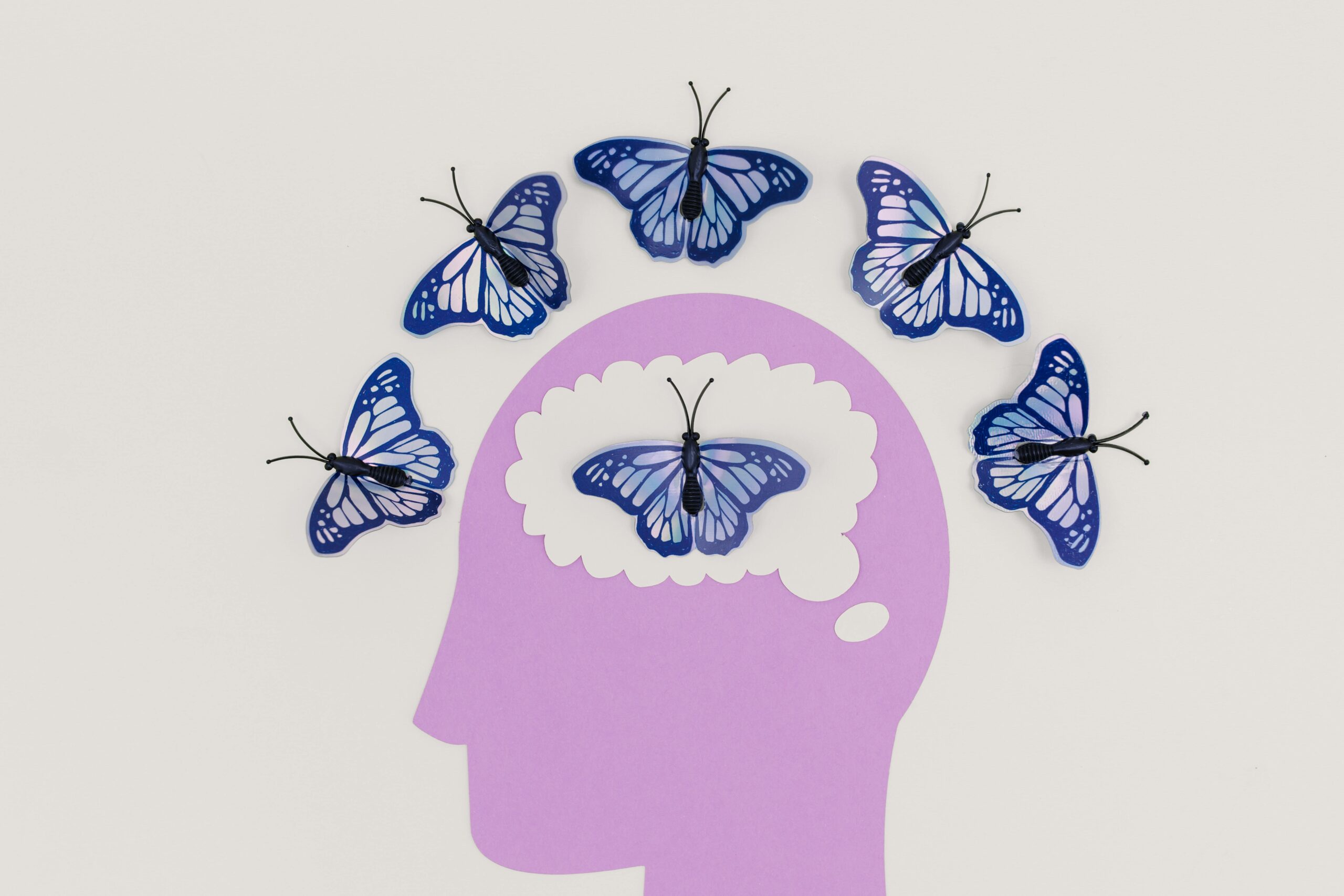
The ability to plan, focus, remember instructions, and juggle multiple tasks successfully defines executive function—a collection of mental skills that serve as the brain’s command center. These cognitive abilities determine how effectively we navigate daily challenges, achieve goals, and unlock our full potential.

Executive function doesn’t remain static throughout our lives. Like muscles that strengthen with exercise, these cognitive capabilities can be developed, enhanced, and refined through deliberate practice and strategic interventions. Understanding how to cultivate these mental faculties opens doors to improved academic performance, professional success, and overall life satisfaction.
🧠 Understanding the Foundation of Executive Function
Executive function encompasses three core components that work synergistically to regulate behavior and cognition. Working memory allows us to hold and manipulate information temporarily, enabling complex reasoning and learning. Cognitive flexibility helps us adapt to changing circumstances and switch between different tasks or perspectives. Inhibitory control provides the capacity to resist impulses, filter distractions, and maintain focus on relevant goals.
These interconnected systems develop gradually from early childhood through young adulthood, with the prefrontal cortex—the brain region primarily responsible for executive function—not fully maturing until the mid-twenties. However, neuroplasticity ensures that improvements remain possible throughout the lifespan, making it never too early or too late to strengthen these critical abilities.
Research demonstrates that executive function predicts academic achievement more reliably than IQ scores alone. Students with stronger executive skills exhibit better study habits, time management, and problem-solving capabilities. In professional contexts, these abilities correlate with leadership effectiveness, innovation capacity, and career advancement.
Recognizing Executive Function Challenges
Difficulties with executive function manifest in various ways across different life domains. Individuals may struggle with starting tasks, following multi-step directions, organizing materials, or completing projects on time. Emotional regulation problems, impulsive decision-making, and difficulty transitioning between activities also signal potential executive function weaknesses.
Certain populations face heightened risks for executive dysfunction, including individuals with ADHD, autism spectrum disorders, traumatic brain injuries, or chronic stress exposure. However, even neurotypical individuals experience temporary executive function impairment during periods of sleep deprivation, extreme stress, or emotional distress.
Early identification of executive function challenges enables timely intervention and support. Parents, educators, and individuals themselves can monitor for persistent patterns of disorganization, poor time perception, forgetfulness, or difficulty regulating emotions as indicators that targeted strategies may prove beneficial.
🎯 Strategic Approaches to Enhance Working Memory
Working memory capacity fundamentally influences learning efficiency and problem-solving prowess. Strengthening this cognitive component requires targeted exercises that challenge the brain to hold and manipulate increasingly complex information. Mental math calculations, memorizing sequences of numbers or words, and playing memory-based games all activate and strengthen neural pathways associated with working memory.
Chunking information into meaningful groups reduces cognitive load and facilitates retention. Rather than remembering a ten-digit phone number as individual numerals, grouping them into area code, prefix, and line number makes recall significantly easier. This principle applies broadly across learning contexts, from memorizing vocabulary to understanding complex concepts.
Visual imagery and spatial organization techniques leverage the brain’s powerful visual processing capabilities. Creating mental pictures, mind maps, or spatial arrangements of information enhances encoding and retrieval. The method of loci, an ancient mnemonic technique involving placing information along an imagined route, demonstrates the effectiveness of combining spatial and visual memory systems.
Regular physical exercise emerges as one of the most potent interventions for working memory enhancement. Aerobic activities increase blood flow to the brain, promote neurogenesis, and stimulate the release of brain-derived neurotrophic factor (BDNF), a protein crucial for learning and memory consolidation.
Cultivating Cognitive Flexibility Through Varied Experiences
Cognitive flexibility—the capacity to adapt thinking and behavior in response to changing demands—thrives on novelty and diverse experiences. Breaking routines, learning new skills, and exposing oneself to unfamiliar situations all challenge the brain to develop new neural connections and strengthen adaptive capabilities.
Multilingual individuals often demonstrate superior cognitive flexibility compared to monolinguals, as managing multiple language systems requires constant mental switching and inhibition of competing responses. While becoming fluent in a new language represents a significant undertaking, even basic language learning exercises stimulate the cognitive flexibility networks.
Creative activities such as improvisation, brainstorming sessions, and artistic pursuits naturally promote flexible thinking. These endeavors require generating multiple solutions, considering alternative perspectives, and adjusting approaches based on feedback—all hallmarks of robust cognitive flexibility.
Mindfulness meditation practices specifically enhance cognitive flexibility by training attention regulation and reducing rigid thought patterns. Regular meditators show improved ability to shift attention between tasks and adapt to unexpected changes, demonstrating the neuroplastic effects of contemplative practices.
⏱️ Strengthening Inhibitory Control and Self-Regulation
Inhibitory control enables individuals to override automatic responses, resist distractions, and maintain goal-directed behavior despite competing impulses. This executive function component proves essential for academic focus, emotional regulation, and long-term goal achievement.
Delay of gratification exercises, famously demonstrated in the marshmallow test studies, strengthen inhibitory control circuits. Practicing waiting for larger rewards rather than accepting immediate smaller ones builds self-control capacity. This might involve saving money for significant purchases rather than impulse buying, or completing challenging tasks before engaging in preferred leisure activities.
Environmental design significantly influences inhibitory control demands. Reducing temptations and distractions in the immediate environment decreases the need for constant self-regulation, preserving cognitive resources for important tasks. Strategies include silencing phone notifications during focused work periods, keeping tempting snacks out of sight, or using website blockers during study sessions.
The Pomodoro Technique—working in focused 25-minute intervals followed by short breaks—supports inhibitory control by making sustained attention more manageable. Knowing that a break approaches soon reduces the perceived burden of maintaining focus, making it easier to resist distractions during work periods.
Building Executive Function Through Strategic Routines
Consistent routines reduce executive function demands by automating recurring decisions and actions. When morning preparations, study schedules, or bedtime rituals follow predictable patterns, the brain conserves cognitive resources that can be allocated to more demanding tasks requiring executive control.
Creating effective routines requires thoughtful planning and gradual implementation. Starting with one or two key routines rather than attempting comprehensive life reorganization increases adherence likelihood. Morning routines might standardize wake time, breakfast choices, and preparation sequences, while evening routines could establish consistent wind-down activities that promote quality sleep.
Visual schedules and checklists externalize executive function demands, particularly benefiting individuals with working memory challenges. Physical or digital reminders reduce reliance on internal mental tracking, freeing cognitive resources for complex thinking and problem-solving.
Transition rituals help manage the cognitive switching costs between different activities or contexts. Taking three deep breaths before starting work, playing a specific song when beginning exercise, or lighting a candle during study sessions creates mental cues that facilitate smoother cognitive transitions.
🎮 Leveraging Technology for Executive Function Development
Digital tools offer unprecedented opportunities for executive function support and enhancement when used strategically. Task management applications help externalize planning and organization demands, while calendar systems reduce working memory load for scheduling and time management.
Brain training applications claim to enhance cognitive abilities through gamified exercises targeting specific executive functions. While controversy exists regarding transfer effects to real-world performance, research suggests that intensive, adaptive training may produce modest improvements in working memory and attention control.
Productivity applications like Forest or Freedom help manage inhibitory control challenges by gamifying distraction resistance or blocking access to tempting websites and apps during designated focus periods. These digital scaffolds support self-regulation while individuals develop stronger intrinsic control.
However, technology can also undermine executive function development when it replaces rather than supports cognitive effort. Overreliance on GPS navigation may weaken spatial memory, while excessive use of autocorrect might diminish careful writing and editing skills. Balancing technological assistance with opportunities for unassisted cognitive challenge optimizes executive function growth.
The Critical Role of Sleep in Executive Performance
Sleep deprivation profoundly impairs executive function, producing effects comparable to alcohol intoxication on cognitive performance. Even modest sleep restriction accumulates as sleep debt, progressively degrading attention, working memory, and decision-making capabilities.
During sleep, the brain consolidates learning, strengthens neural connections formed during waking hours, and clears metabolic waste products that accumulate during cognitive activity. REM sleep particularly supports creative problem-solving and emotional regulation, while deep slow-wave sleep facilitates memory consolidation.
Establishing consistent sleep-wake schedules, even on weekends, strengthens circadian rhythms and improves sleep quality. Creating dark, cool, quiet sleeping environments and avoiding screens for at least an hour before bedtime promotes the natural melatonin release necessary for sleep initiation.
Adults generally require seven to nine hours of quality sleep nightly for optimal executive function, while children and adolescents need substantially more. Prioritizing adequate sleep represents one of the most impactful interventions for cognitive performance enhancement.
🥗 Nutritional Foundations for Cognitive Excellence
Brain health depends fundamentally on adequate nutritional support. The brain consumes approximately 20% of the body’s energy despite representing only 2% of body weight, making consistent glucose availability essential for sustained cognitive performance.
Omega-3 fatty acids, particularly DHA found in fatty fish, support brain structure and function. Regular consumption of these essential fats associates with better working memory, cognitive flexibility, and reduced cognitive decline risk. Plant-based sources include walnuts, flaxseeds, and chia seeds, though conversion efficiency from ALA to DHA remains limited.
Antioxidant-rich foods combat oxidative stress that damages neural tissue. Berries, dark leafy greens, and colorful vegetables provide polyphenols and other compounds that support cognitive health and may enhance executive function performance.
Hydration significantly influences cognitive performance, with even mild dehydration impairing attention, working memory, and mood. Maintaining consistent fluid intake throughout the day, particularly during cognitively demanding activities, supports optimal executive function.
Physical Exercise as Cognitive Enhancement
The profound connection between physical activity and cognitive function extends well beyond working memory improvements. Regular exercise increases hippocampal volume, enhances prefrontal cortex function, and strengthens connectivity between brain regions critical for executive control.
Aerobic exercise shows particularly robust effects on executive function, with moderate-intensity activities like brisk walking, cycling, or swimming producing measurable cognitive benefits. Even single exercise sessions temporarily enhance attention and processing speed, making strategic pre-study or pre-work physical activity valuable.
Coordinatively complex activities such as dance, martial arts, or team sports may offer additional executive function benefits beyond simple aerobic exercise. These activities require simultaneous attention to multiple stimuli, rapid decision-making, and continuous strategy adjustment—all demands that strengthen executive control networks.
Integrating movement breaks throughout sedentary periods combats the executive function impairments associated with prolonged sitting. Brief walking breaks, stretching routines, or desk exercises restore attention and reduce mental fatigue during extended cognitive work.
🧘 Mindfulness and Metacognitive Strategies
Mindfulness practices train the fundamental attentional control underlying all executive functions. By repeatedly noticing when attention has wandered and gently redirecting focus, meditation strengthens the neural circuits responsible for attention regulation and inhibitory control.
Metacognition—thinking about thinking—enables individuals to monitor their cognitive processes, recognize when strategies aren’t working, and adjust approaches accordingly. Developing metacognitive awareness involves regularly reflecting on learning strategies, problem-solving approaches, and decision-making patterns to identify areas for improvement.
Self-questioning techniques promote metacognitive engagement during challenging tasks. Asking “What strategy am I using?”, “Is this approach working?”, and “What could I try differently?” encourages active monitoring and flexible strategy adjustment rather than passive persistence with ineffective methods.
Teaching these metacognitive skills to children and adolescents provides lifelong benefits, as individuals who understand their cognitive strengths and weaknesses can deliberately select strategies that compensate for challenges and leverage advantages.
Social Connections and Executive Growth
Social interaction provides natural executive function training, requiring perspective-taking, impulse control, working memory for conversation tracking, and cognitive flexibility for navigating complex social dynamics. Rich social connections throughout life associate with better cognitive health and reduced dementia risk.
Collaborative problem-solving and group projects challenge individuals to coordinate mental efforts, negotiate competing ideas, and integrate multiple perspectives—all activities that strengthen executive function capacities. The social accountability inherent in collaborative work also supports goal persistence and task completion.
Mentorship relationships offer structured support for executive function development, with mentors providing external scaffolding, modeling effective strategies, and offering feedback that promotes self-awareness and skill refinement. Both serving as a mentor and receiving mentorship provide cognitive benefits through different mechanisms.
🌱 Creating Sustainable Growth Trajectories
Executive function development requires patience and realistic expectations. Like physical fitness, cognitive capabilities improve gradually through consistent practice rather than dramatic overnight transformations. Celebrating small victories and maintaining long-term perspectives helps sustain motivation during the development process.
Individual differences in baseline executive function and developmental trajectories mean that universal prescriptions prove less effective than personalized approaches. Self-assessment, experimentation with different strategies, and attention to what works for one’s unique cognitive profile optimizes improvement efforts.
Combining multiple strategies produces synergistic effects exceeding individual intervention impacts. An integrated approach addressing sleep, nutrition, exercise, cognitive training, and stress management creates optimal conditions for executive function flourishing.
Periodic reassessment of strategies and goals ensures that approaches evolve alongside developing capabilities. What proves challenging initially becomes automatic with practice, freeing attention for addressing new frontiers of cognitive growth and potential realization.

Transforming Potential Into Achievement
Mastering executive function fundamentally transforms how individuals approach challenges, pursue goals, and navigate complexity. These cognitive capabilities serve as force multipliers, amplifying the impact of knowledge, talent, and effort across all life domains.
The strategies outlined throughout this exploration—from working memory exercises to sleep optimization, from nutritional support to mindfulness practice—represent evidence-based pathways toward enhanced cognitive control. Implementation need not be overwhelming; starting with one or two high-leverage interventions and gradually expanding one’s executive function toolkit proves more sustainable than attempting comprehensive overnight transformation.
Executive function development represents an investment that compounds over time, with each improvement making subsequent growth easier. Stronger working memory facilitates learning new cognitive flexibility strategies, while enhanced inhibitory control supports the consistency necessary for routine establishment and skill consolidation.
The journey toward executive function mastery is inherently personal, reflecting individual strengths, challenges, goals, and circumstances. By understanding the principles underlying these crucial cognitive capabilities and systematically applying strategies that resonate with personal needs, anyone can unlock dormant potential and achieve levels of performance previously considered beyond reach. The mind’s command center awaits cultivation, ready to transform intention into accomplishment and possibility into reality.