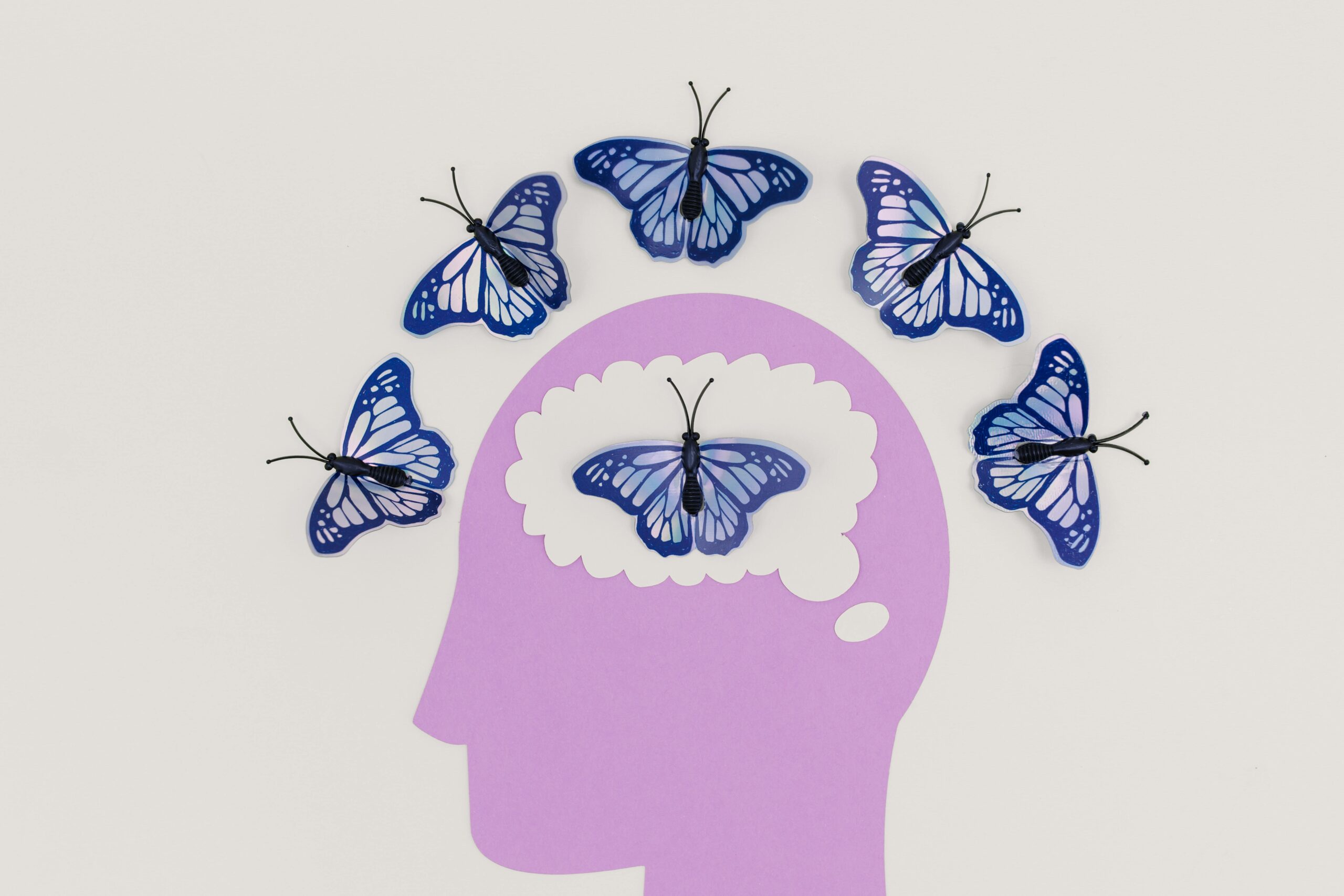
The human brain possesses remarkable capabilities that extend far beyond what most people realize. Our cognitive abilities aren’t fixed traits but dynamic skills that can be developed, refined, and expanded throughout our entire lives.

Understanding how to unlock your cognitive potential represents one of the most empowering journeys you can undertake. The concept of lifelong learning has evolved from a nice-to-have quality into an essential survival skill in our rapidly changing world. By exploring the pathways that enhance our cognitive abilities, we open doors to personal growth, professional advancement, and a more fulfilling life experience.
🧠 Understanding the Foundation of Cognitive Skills
Cognitive skills encompass the core abilities your brain uses to think, read, learn, remember, reason, and pay attention. These mental capabilities work together to process incoming information and distribute it to the appropriate areas of your brain for storage and retrieval. When we talk about cognitive skill pathways, we’re referring to the neural networks and mental processes that can be strengthened and optimized through intentional practice.
The beauty of cognitive development lies in neuroplasticity—your brain’s ability to reorganize itself by forming new neural connections throughout life. This scientific reality demolishes the outdated notion that intelligence is fixed at birth. Instead, research consistently demonstrates that deliberate cognitive training can enhance mental performance at any age.
The Seven Core Cognitive Domains
Cognitive psychologists have identified several primary domains that form the foundation of our mental capabilities:
- Attention and Focus: The ability to concentrate on relevant information while filtering out distractions
- Memory: Both short-term working memory and long-term storage and retrieval systems
- Processing Speed: How quickly your brain can interpret and respond to information
- Visual and Spatial Processing: Understanding spatial relationships and visual information
- Logic and Reasoning: The capacity to analyze problems and draw conclusions
- Auditory Processing: How your brain interprets sounds and spoken language
- Executive Functions: Higher-order skills including planning, decision-making, and self-regulation
🎯 Building Your Personal Cognitive Enhancement Strategy
Creating a comprehensive approach to cognitive development requires understanding which skills matter most for your specific goals. A software developer might prioritize logical reasoning and pattern recognition, while a musician focuses on auditory processing and motor coordination integrated with cognitive functions.
The first step involves honest self-assessment. Which cognitive areas represent your strengths? Where do you experience challenges? This awareness forms the foundation for targeted improvement. Consider keeping a cognitive journal where you track mental performance across different times of day and under various conditions.
The Power of Deliberate Practice
Not all practice creates equal results. Deliberate practice—focused, systematic training with immediate feedback—produces significantly better outcomes than passive repetition. This principle applies equally to physical skills and cognitive abilities. When working on memory improvement, for example, simply reading material repeatedly proves far less effective than active recall techniques that challenge your brain to retrieve information.
Research from cognitive science laboratories worldwide confirms that challenging your brain just beyond its current comfort zone produces optimal growth. This sweet spot—difficult enough to require effort but not so hard as to cause frustration—activates the neuroplastic changes that strengthen cognitive pathways.
📚 Learning Methodologies That Transform Your Brain
The methods you choose for learning dramatically impact both how well you absorb information and how your brain develops in the process. Traditional educational approaches often emphasize passive absorption, but modern cognitive science reveals far more effective alternatives.
Active Learning Techniques
Active learning engages multiple cognitive systems simultaneously, creating stronger and more accessible memories. The Feynman Technique exemplifies this approach: you learn something, then explain it in simple terms as if teaching a child. This process reveals gaps in understanding while simultaneously strengthening neural pathways through active retrieval and reformulation.
Spaced repetition represents another scientifically validated technique that optimizes long-term retention. Rather than cramming information in marathon sessions, you review material at increasing intervals—initially after one day, then three days, then a week, and so forth. This pattern aligns with how memory consolidation naturally occurs in the brain.
Interleaving and Variation
Contrary to intuition, mixing different types of problems or topics during study sessions—a technique called interleaving—produces better long-term learning than blocking similar items together. While blocked practice feels more comfortable and shows faster initial progress, interleaving forces your brain to continually identify which approach fits each problem, strengthening discrimination abilities and flexible thinking.
🔬 The Science Behind Cognitive Enhancement
Understanding the neurological mechanisms underlying cognitive improvement empowers you to make informed decisions about your learning strategies. When you learn something new or practice a skill, your brain physically changes. Neurons that fire together wire together, as neuroscientists say, meaning repeated activation of specific neural pathways strengthens the connections between those neurons.
Myelin—a fatty substance that wraps around nerve fibers—plays a crucial role in this process. As you practice a skill, myelin sheaths thicken around the relevant neural pathways, allowing signals to travel faster and more efficiently. This biological reality explains why consistent practice over time produces expertise; you’re literally building more efficient information highways in your brain.
The Role of Sleep in Cognitive Development
Sleep isn’t merely rest—it’s when your brain consolidates learning and clears metabolic waste products. During deep sleep stages, your brain replays and strengthens the neural patterns formed during waking hours. Research consistently shows that people who sleep well after learning perform significantly better on retention tests than those who remain awake or receive insufficient sleep.
REM sleep specifically contributes to creative problem-solving and emotional memory processing. The vivid dreams characteristic of REM sleep may represent your brain making unexpected connections between disparate information—essentially overnight brainstorming sessions.
💡 Digital Tools and Cognitive Training Applications
Technology offers unprecedented opportunities for systematic cognitive training. While no app can magically make you smarter, well-designed platforms can provide structured practice that targets specific cognitive skills with progressive difficulty levels and performance tracking.
Brain training applications that focus on working memory, attention, and processing speed can produce measurable improvements in those specific domains. However, research suggests these gains don’t always transfer broadly to general intelligence. The most effective approach combines digital cognitive training with real-world skill development and varied learning experiences.
Language learning applications demonstrate particularly strong cognitive benefits because acquiring a new language engages multiple brain systems—auditory processing, memory, pattern recognition, and executive functions. Bilingualism has been associated with enhanced cognitive flexibility and even delayed onset of dementia symptoms in older adults.
🌱 Lifestyle Factors That Amplify Cognitive Performance
Your daily habits profoundly influence your cognitive capabilities. The brain-body connection means that physical health directly impacts mental performance. This holistic perspective on cognitive enhancement acknowledges that your brain doesn’t operate in isolation from the rest of your body.
Nutrition for Cognitive Excellence
Your brain consumes approximately 20% of your body’s energy despite representing only 2% of body weight. The fuel you provide matters enormously. Omega-3 fatty acids, particularly DHA, form critical structural components of brain cell membranes. Antioxidants from colorful fruits and vegetables protect neurons from oxidative stress. Complex carbohydrates provide steady glucose—the brain’s primary fuel source.
Adequate hydration also proves essential. Even mild dehydration impairs concentration, memory, and mood. The simple habit of maintaining proper fluid intake throughout the day can noticeably enhance cognitive performance.
Physical Exercise as Brain Training
Cardiovascular exercise increases blood flow to the brain, delivering more oxygen and nutrients while removing waste products. Regular aerobic activity stimulates the release of brain-derived neurotrophic factor (BDNF), a protein that promotes the growth of new neurons and strengthens existing connections. Studies show that people who exercise regularly demonstrate better memory, faster processing speed, and enhanced executive function compared to sedentary individuals.
The cognitive benefits aren’t limited to aerobic exercise. Coordination-intensive activities like dance or martial arts that require learning complex movement patterns provide dual benefits—physical fitness combined with skill acquisition that engages motor planning and spatial reasoning.
🎨 Creativity and Cognitive Flexibility
Developing creative thinking abilities enhances overall cognitive function by strengthening your brain’s capacity to form novel connections and approach problems from multiple angles. Creativity isn’t a mystical gift bestowed on a select few; it’s a trainable skill that becomes more robust with practice.
Engaging regularly in creative activities—whether writing, drawing, music, or any other form of creative expression—builds cognitive flexibility. This flexibility translates into better problem-solving across all life domains. When you train your brain to think divergently and consider multiple possibilities, you enhance decision-making and adaptability.
Cross-Training Your Mind
Just as athletes cross-train by varying their physical activities, cognitive cross-training involves engaging different mental skills. If your work heavily emphasizes analytical thinking, balance it with creative or social activities. This variety prevents cognitive stagnation and develops a more versatile mental toolkit.
Learning skills outside your primary domain provides particularly powerful cognitive benefits. A programmer learning pottery, or a salesperson studying mathematics, creates entirely new neural networks while building cognitive capacities that can transfer back to their main area of expertise in unexpected ways.
🤝 Social Interaction and Cognitive Health
Human brains evolved in social contexts, and meaningful social interaction remains essential for cognitive health. Conversations require rapid processing of language, interpretation of nonverbal cues, perspective-taking, and appropriate response formulation—a cognitive workout that engages multiple brain systems simultaneously.
Research on aging populations consistently shows that individuals with strong social connections maintain better cognitive function longer than socially isolated peers. The cognitive demands of navigating relationships, understanding others’ perspectives, and communicating effectively provide natural brain training that no app can fully replicate.
📈 Measuring Progress and Maintaining Motivation
Tracking your cognitive development helps maintain motivation and allows you to adjust strategies based on results. However, measuring cognitive improvement presents challenges since changes often occur gradually and may not be immediately apparent in daily life.
Consider establishing baseline measurements in specific areas you’re targeting. This might include timed problem-solving exercises, memory tests, or performance metrics in a skill you’re developing. Regular reassessment—perhaps monthly or quarterly—reveals progress that might otherwise go unnoticed.
Creating Sustainable Learning Habits
Consistency outperforms intensity when it comes to cognitive development. Thirty minutes of daily practice produces better long-term results than occasional marathon sessions. Building learning into your daily routine as a non-negotiable habit, like brushing your teeth, removes the need for constant willpower and decision-making.
The compound effect of small, consistent efforts over time produces remarkable results. Just as financial investments grow through compound interest, your cognitive abilities compound through regular practice. Each learning session builds upon previous ones, creating exponential rather than linear growth.
🌟 Embracing the Lifelong Learning Mindset
Perhaps the most crucial factor in unlocking your cognitive potential isn’t any specific technique or tool—it’s adopting a growth mindset that views abilities as developable rather than fixed. This perspective, extensively researched by psychologist Carol Dweck, fundamentally changes how you approach challenges and setbacks.
When you believe your abilities can grow, challenges become opportunities rather than threats. Mistakes transform from evidence of inadequacy into valuable feedback for improvement. This mindset shift alone can dramatically accelerate learning and cognitive development because it removes the psychological barriers that often limit performance more than actual capability.
The journey of cognitive enhancement and lifelong learning isn’t about reaching a final destination where you’ve achieved perfect mental performance. Instead, it’s an ongoing process of growth, discovery, and expanding what you thought possible. Your brain’s remarkable plasticity means that regardless of your starting point or current age, meaningful improvement remains within reach.
By understanding the principles of cognitive development, implementing evidence-based learning strategies, supporting your brain through healthy lifestyle choices, and maintaining consistent practice over time, you create the conditions for sustained personal growth. The pathways to enhanced cognitive function are well-mapped by scientific research—the exciting part is walking them yourself and discovering where your unique potential can take you.