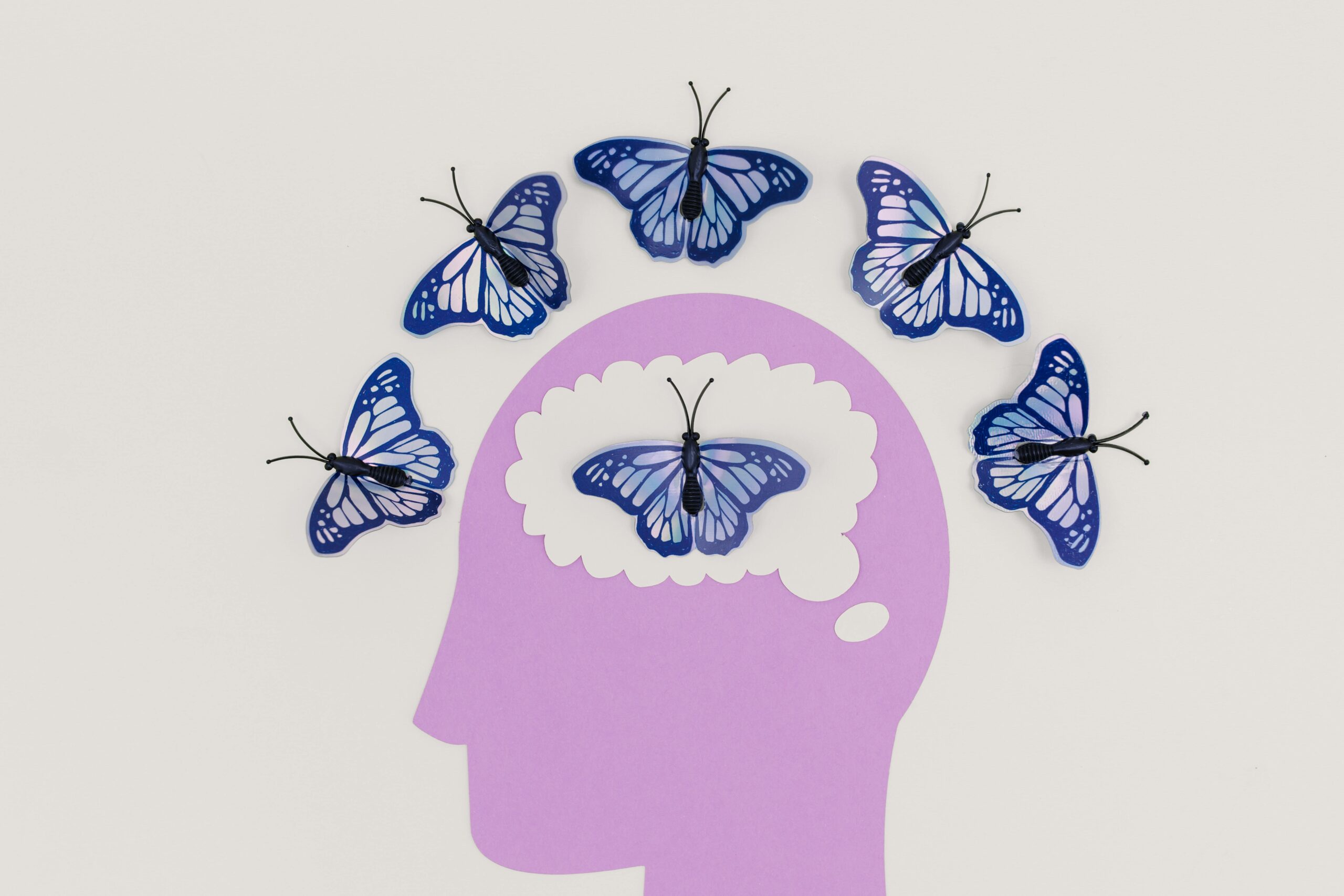
The human brain is a remarkable organ, constantly evolving and adapting throughout our lives. This extraordinary capacity for change, known as brain plasticity, fundamentally shapes who we become and how we learn.

From the moment of birth through our final days, our brains possess an incredible ability to reorganize, form new connections, and adapt to experiences. Developmental brain plasticity represents one of neuroscience’s most fascinating discoveries, revealing that our neural architecture is far from fixed. Instead, it’s a dynamic landscape that responds to stimulation, learning, and environmental factors in ways that profoundly influence cognitive development and lifelong learning potential.
🧠 Understanding the Foundations of Brain Plasticity
Brain plasticity, or neuroplasticity, refers to the brain’s ability to modify its structure and function in response to experience. This process involves the formation of new neural pathways, the strengthening or weakening of existing connections, and even the generation of new neurons in specific brain regions. During developmental years, this plasticity reaches extraordinary levels, creating critical windows of opportunity for learning and growth.
The neurological basis of plasticity operates through several mechanisms. Synaptic plasticity involves changes in the strength of connections between neurons, while structural plasticity refers to physical changes in brain anatomy. These processes work together to encode memories, refine motor skills, and develop cognitive abilities that form the foundation of human intelligence.
The Critical Periods of Development
Research has identified specific timeframes when the brain exhibits heightened sensitivity to particular types of learning. These critical periods represent windows when neural circuits are especially receptive to environmental input. For language acquisition, this window typically occurs during early childhood, explaining why young children learn languages with remarkable ease compared to adults.
Visual system development provides another compelling example. Studies on children with cataracts have shown that if visual input is blocked during critical early years, normal vision may never fully develop, even after surgical correction. This demonstrates how timing profoundly influences developmental outcomes and the importance of early intervention.
The Science Behind Neural Adaptation 🔬
At the cellular level, brain plasticity involves complex molecular and genetic processes. When we learn something new or practice a skill, neurons fire in specific patterns. This activity triggers biochemical changes that strengthen synaptic connections—a principle summarized by the phrase “neurons that fire together, wire together.” This mechanism, known as Hebbian learning, forms the biological basis for memory formation and skill acquisition.
Neurotrophic factors, particularly brain-derived neurotrophic factor (BDNF), play crucial roles in promoting neuronal survival and encouraging the formation of new synapses. Exercise, learning, and environmental enrichment all boost BDNF levels, creating a biological foundation for enhanced plasticity. This connection between lifestyle factors and neural health underscores the importance of holistic approaches to cognitive development.
Gray Matter and White Matter Changes
Neuroimaging studies have revealed that learning induces measurable changes in both gray matter (cell bodies) and white matter (connections between regions). London taxi drivers famously show enlarged hippocampi from memorizing complex city layouts, while musicians demonstrate enhanced cortical representation in areas controlling their instruments. These structural adaptations provide physical evidence of how experience literally shapes the brain.
Early Childhood: The Golden Age of Plasticity ✨
The first few years of life represent an extraordinary period of neural development. A newborn’s brain contains approximately 86 billion neurons but relatively few connections. During early childhood, synaptic formation occurs at a staggering rate—up to one million new neural connections per second. This explosive growth creates a dense network of possibilities that subsequent experience will sculpt and refine.
This abundance is followed by pruning, where unused connections are eliminated while frequently activated pathways are strengthened. This “use it or lose it” principle ensures neural efficiency, with the brain retaining circuits relevant to an individual’s specific environment and experiences. The interplay between proliferation and pruning highlights why early experiences exert such powerful influences on development.
Environmental Enrichment and Cognitive Development
Research consistently demonstrates that enriched environments promote optimal brain development. Children exposed to diverse stimuli, social interactions, and learning opportunities show enhanced cognitive abilities compared to those in impoverished environments. Key elements of enrichment include:
- Responsive caregiving and secure attachment relationships
- Language-rich environments with varied vocabulary exposure
- Opportunities for exploration and sensory experiences
- Social interaction with peers and adults
- Access to books, music, and creative materials
- Physical activity and outdoor play
These factors work synergistically to stimulate neural development, establishing robust foundations for lifelong learning. The quality of early childhood experiences can influence educational achievement, emotional regulation, and even physical health outcomes decades later.
Language Acquisition: A Plasticity Showcase 🗣️
Language development provides one of the most compelling demonstrations of developmental brain plasticity. Infants are born as “citizens of the world,” capable of discriminating phonetic contrasts from any language. However, by their first birthday, this universal sensitivity narrows to focus on the sounds present in their native language—an example of experience-dependent plasticity shaping neural architecture.
The ease with which young children acquire multiple languages simultaneously contrasts sharply with the effort adults typically require. This difference reflects the heightened plasticity of language-relevant brain regions during childhood. The left hemisphere, particularly Broca’s and Wernicke’s areas, undergoes specialization for language processing, with the degree and pattern of lateralization influenced by the language(s) learned.
Bilingualism and Enhanced Cognitive Flexibility
Research on bilingual children reveals additional plasticity benefits. Managing multiple languages appears to enhance executive function—the cognitive processes governing attention, task-switching, and inhibitory control. Bilingual individuals often show advantages in these domains, suggesting that linguistic diversity promotes broader cognitive enhancements through plasticity mechanisms.
Educational Applications: Harnessing Plasticity for Learning 📚
Understanding developmental brain plasticity has profound implications for educational practice. Traditional approaches often assumed fixed learning capacities, but neuroscience reveals that appropriate stimulation and teaching methods can substantially enhance cognitive development. This knowledge empowers educators to create environments that maximize plasticity’s potential.
Effective educational strategies aligned with plasticity principles include spaced repetition, which strengthens memory consolidation; multimodal learning that engages multiple sensory systems; and challenge-appropriate tasks that maintain optimal arousal without overwhelming learners. Active learning approaches that require students to engage deeply with material promote stronger neural encoding than passive reception of information.
The Role of Play in Cognitive Development
Play represents a fundamental mechanism through which children’s brains develop. Far from being merely recreational, play activities stimulate multiple brain systems simultaneously. Pretend play enhances symbolic thinking and theory of mind; physical play develops motor coordination and spatial reasoning; social play builds emotional intelligence and communication skills.
Modern educational systems sometimes undervalue play in favor of structured academic instruction. However, neuroscience supports play’s critical role in optimal development. Environments that balance guided learning with self-directed play leverage plasticity more effectively than purely didactic approaches.
Technology and Developing Brains: Opportunities and Concerns 💻
Digital technology presents both opportunities and challenges for developmental plasticity. Educational applications can provide personalized, adaptive learning experiences that respond to individual developmental needs. Interactive programs can offer rich language exposure, mathematical reasoning practice, and creative problem-solving challenges that stimulate cognitive growth.
However, concerns about screen time’s effects on developing brains have sparked considerable research and debate. Excessive passive screen exposure, particularly in early childhood, may displace activities more beneficial for development—physical play, face-to-face social interaction, and hands-on exploration. The key appears to be intentionality: interactive, educational, and time-limited technology use integrated within broader developmental experiences differs substantially from prolonged passive consumption.
Digital Tools for Enhanced Learning
When thoughtfully implemented, technology can support developmental plasticity. Educational apps that adapt difficulty to individual progress, provide immediate feedback, and encourage active engagement can complement traditional learning methods. The most effective digital tools incorporate principles of learning science—spaced repetition, retrieval practice, and elaborative encoding—to optimize neural consolidation.
Physical Activity: The Brain’s Natural Enhancer 🏃
Physical exercise represents one of the most powerful promoters of brain plasticity across the lifespan. During development, regular physical activity enhances cognitive function through multiple mechanisms. Exercise increases blood flow to the brain, delivering oxygen and nutrients essential for neural health. It stimulates BDNF production, promoting neurogenesis in the hippocampus—a region critical for memory formation.
Research demonstrates that physically active children show better attention, faster cognitive processing, and superior academic performance compared to sedentary peers. Motor skill development itself drives plasticity, as learning to coordinate movements requires extensive neural reorganization. The cerebellum, long associated primarily with motor control, is now recognized as contributing to cognitive and emotional processing—functions enhanced through physical activity.
Movement and Academic Achievement
Progressive schools incorporating movement into learning—through kinesthetic activities, frequent breaks, and physically active lessons—often observe improved educational outcomes. This approach aligns with neuroscience showing that motor and cognitive systems interact extensively. Physical activity before learning can prime the brain for enhanced plasticity, while movement-based learning strategies engage multiple neural systems simultaneously.
Nutrition’s Critical Role in Brain Development 🥗
Proper nutrition provides the building blocks and fuel necessary for optimal brain plasticity. The developing brain requires specific nutrients to support rapid growth and synaptic formation. Omega-3 fatty acids, particularly DHA, are crucial structural components of neural membranes. Iron supports myelin formation and neurotransmitter synthesis. Protein provides amino acids necessary for neurotransmitter production.
Nutritional deficiencies during critical developmental periods can have lasting effects on cognitive function. Conversely, adequate nutrition supports plasticity mechanisms, enabling the brain to respond optimally to learning experiences. This biological reality underscores nutrition’s importance not just for physical health but for cognitive development and educational success.
Social and Emotional Dimensions of Plasticity ❤️
Brain development occurs within social contexts, with relationships profoundly influencing neural architecture. Secure attachment relationships provide the emotional safety necessary for exploration and learning. Responsive caregiving helps develop regulatory circuits that manage stress and emotion—capacities that influence lifelong mental health and learning ability.
Adverse experiences, particularly chronic stress or trauma, can negatively impact developmental plasticity. The stress hormone cortisol, when chronically elevated, impairs hippocampal function and disrupts normal pruning processes. This neurobiological reality explains how childhood adversity affects cognitive development and mental health, while also highlighting the importance of supportive interventions.
Building Emotional Resilience Through Neural Pathways
Positive interventions can harness plasticity to build emotional resilience. Mindfulness practices, shown to alter brain structure in adults, appear beneficial for children as well. Social-emotional learning programs that teach self-awareness, relationship skills, and responsible decision-making engage plasticity mechanisms to develop crucial life competencies.
Lifelong Learning: Plasticity Beyond Childhood 🌱
While developmental plasticity peaks during childhood, the brain retains remarkable adaptability throughout life. Adult neuroplasticity enables continued learning, skill acquisition, and recovery from injury. This lifelong capacity means that learning potential extends far beyond formal education years, offering hope and opportunity across the lifespan.
Adult plasticity differs from childhood versions in degree rather than kind. Adults may require more repetition and practice to form new neural pathways, but the fundamental mechanisms remain functional. Engaging in novel, challenging activities—learning languages, musical instruments, or complex skills—promotes continued brain health and cognitive vitality.
Cognitive Reserve and Aging
Lifelong learning contributes to cognitive reserve—the brain’s resilience against age-related decline. Individuals who remain mentally active show better cognitive function in later life and reduced dementia risk. This protective effect reflects plasticity’s role in maintaining neural networks and compensatory mechanisms that preserve function despite age-related changes.
Practical Strategies for Supporting Developmental Plasticity 🎯
Understanding brain plasticity translates into actionable approaches for parents, educators, and individuals seeking to optimize cognitive development:
- Prioritize sleep: Adequate sleep is essential for memory consolidation and synaptic homeostasis
- Encourage curiosity: Following children’s interests leverages intrinsic motivation to drive learning
- Embrace mistakes: Errors provide learning opportunities that strengthen neural circuits through correction
- Provide varied experiences: Diverse activities stimulate multiple brain systems and prevent narrow specialization
- Foster social connections: Relationships provide context and motivation for cognitive development
- Limit chronic stress: Create emotionally safe environments that allow optimal plasticity
- Model lifelong learning: Adults who demonstrate continuous learning inspire similar attitudes in children
The Transformative Power of Understanding Plasticity 🌟
Recognizing the brain’s capacity for change fundamentally alters how we approach education, parenting, and personal development. Rather than viewing intelligence and abilities as fixed traits, plasticity science reveals them as dynamic qualities shaped by experience and effort. This growth mindset, supported by neuroscience, empowers individuals to pursue development throughout life.
The implications extend beyond individual development to societal structures. Educational systems designed around plasticity principles would emphasize personalized learning, recognize multiple intelligences, and support diverse developmental trajectories. Healthcare would prioritize early intervention and preventive approaches that optimize developmental conditions. Social policy would address environmental factors—nutrition, toxin exposure, stress—that influence plasticity and developmental outcomes.

Bridging Science and Practice: The Path Forward 🚀
As neuroscience continues revealing plasticity’s mechanisms, translating this knowledge into practical applications remains crucial. Parents need accessible information about supporting children’s development. Educators require training in brain-based teaching strategies. Policymakers must understand neuroscience when designing programs affecting child development.
The convergence of neuroscience, education, and technology offers unprecedented opportunities to optimize developmental plasticity. Adaptive learning systems, neuroimaging advances, and growing understanding of individual differences enable increasingly personalized approaches. However, maintaining human connection, play, and joy in learning remains essential—technical sophistication should enhance rather than replace the relational and experiential foundations of development.
Developmental brain plasticity represents both humanity’s greatest vulnerability and its most profound strength. The dependency of young brains on appropriate experiences creates risks when environments fail to provide necessary stimulation, nutrition, or emotional support. Yet this same plasticity offers remarkable resilience and potential for growth, enabling humans to adapt to diverse circumstances and learn throughout life.
By understanding and respecting the principles of brain plasticity, we can create conditions that unlock human potential. Every interaction with a developing child, every educational choice, every environmental factor contributes to shaping neural architecture and future possibilities. This knowledge carries responsibility but also tremendous hope—the power to positively influence development lies within reach of parents, educators, and communities committed to nurturing growing minds. The plastic brain, responsive and adaptive, awaits experiences that will sculpt its remarkable potential into realized abilities, creativity, and lifelong learning capacity.