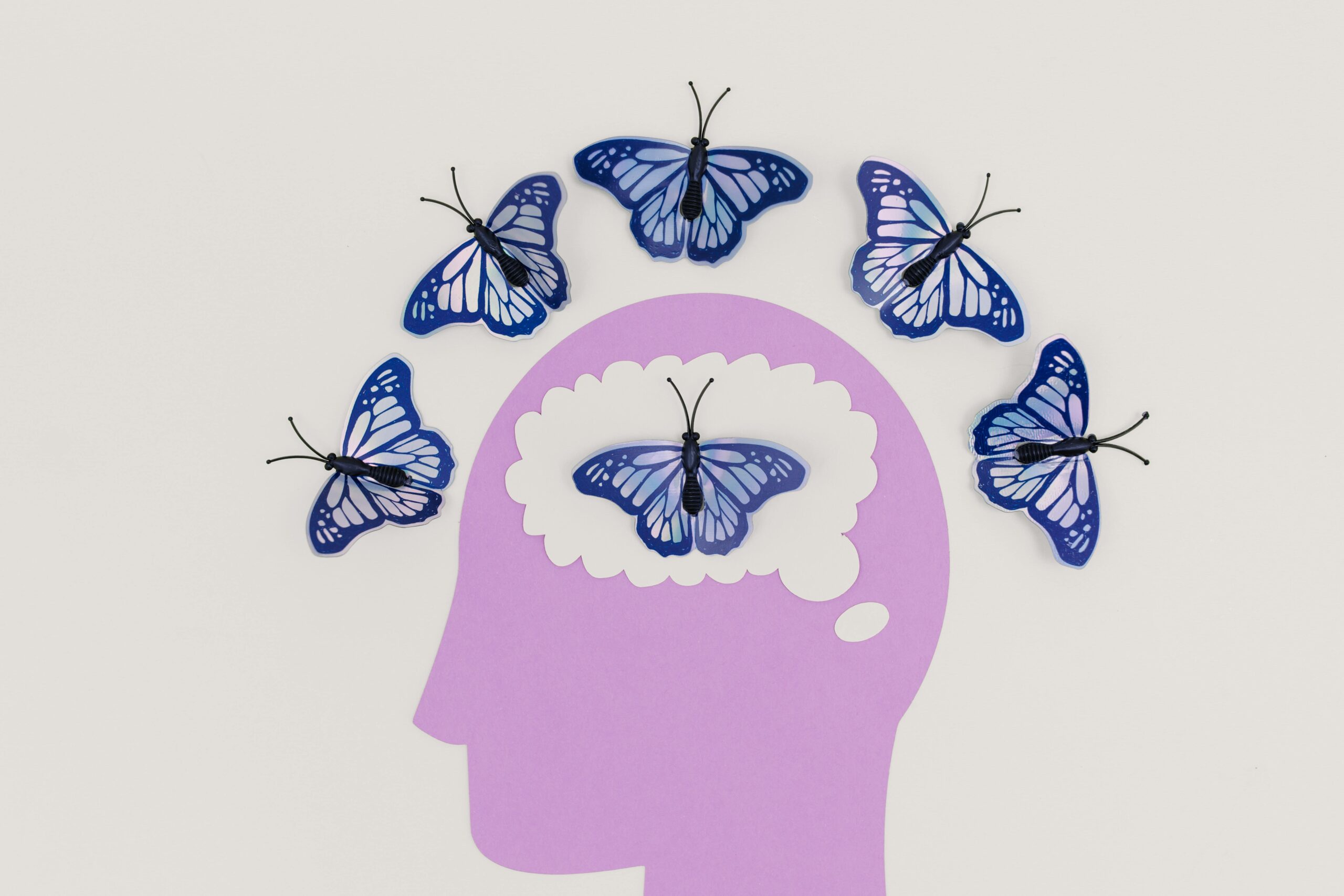
The human brain possesses an extraordinary ability to adapt, grow, and transform through the formation of neural pathways. This remarkable capacity is reshaping how we understand learning and education in the 21st century.

As neuroscience continues to unveil the mysteries of brain plasticity, educators and learners worldwide are discovering revolutionary approaches to teaching and knowledge acquisition. The implications extend far beyond traditional classrooms, promising a future where personalized learning and cognitive enhancement become accessible to everyone.
🧠 The Science Behind Neural Pathways and Learning
Neural pathways are essentially the communication highways of our brain, formed by interconnected neurons that transmit information through electrical and chemical signals. When we learn something new, our brain creates and strengthens these pathways, making future retrieval of information faster and more efficient.
Neuroplasticity, the brain’s ability to reorganize itself by forming new neural connections throughout life, stands at the core of this transformative process. Unlike the outdated belief that brain development stops after childhood, modern neuroscience confirms that our brains remain malleable well into adulthood, continuously adapting to new experiences and information.
The process of myelination further enhances these pathways. Myelin, a fatty substance that wraps around nerve fibers, acts like insulation on electrical wires, dramatically increasing the speed of neural transmission. The more we practice a skill or reinforce knowledge, the more myelin builds up, creating what neuroscientists call “superhighways” of information.
How Repetition Strengthens Neural Connections
The principle “neurons that fire together, wire together” captures the essence of how learning physically changes our brain structure. Each time we repeat an action or recall information, we strengthen the synaptic connections between neurons involved in that activity.
This explains why consistent practice proves more effective than cramming. Distributed learning sessions allow neural pathways to consolidate, making knowledge retention significantly more robust and long-lasting.
Transforming Traditional Education Models
Understanding neural pathway formation has profound implications for educational methodology. Traditional one-size-fits-all approaches are giving way to personalized learning strategies that align with how individual brains actually process and retain information.
Modern educators now recognize that learning styles, pace, and preferences vary dramatically among students. Some learners strengthen neural pathways more effectively through visual information, while others benefit from auditory or kinesthetic experiences. This neurological diversity demands flexible teaching approaches.
Active Learning Versus Passive Consumption
Research consistently demonstrates that active engagement creates stronger neural pathways than passive information consumption. When students participate in discussions, solve problems, or teach others, they activate multiple brain regions simultaneously, creating richer and more interconnected neural networks.
Project-based learning, collaborative activities, and hands-on experiences leverage this principle by requiring students to apply knowledge in practical contexts. These approaches create what neuroscientists call “multimodal encoding,” where information gets stored across various neural pathways, making recall easier and more reliable.
The Role of Technology in Neural Enhancement 📱
Digital tools and applications are revolutionizing how we leverage our understanding of neural pathways for educational advancement. Adaptive learning platforms use algorithms to identify individual learning patterns and adjust content delivery accordingly, optimizing neural pathway formation.
Brain-training applications have emerged as valuable supplements to traditional learning methods. These tools design exercises specifically to challenge and strengthen cognitive functions, promoting the development of new neural connections while maintaining existing ones.
Spaced repetition software exemplifies how technology can optimize learning based on neuroscience principles. These applications present information at strategically timed intervals that coincide with the brain’s natural forgetting curve, maximizing retention while minimizing study time.
Virtual and Augmented Reality in Education
Immersive technologies create unprecedented opportunities for neural pathway development. Virtual reality environments allow students to experience concepts firsthand, activating emotional and sensory neural networks alongside cognitive ones. This multisensory engagement produces deeper learning and stronger memory formation.
Medical students can practice surgical procedures in virtual environments, history students can walk through ancient civilizations, and chemistry students can manipulate molecules in three-dimensional space. These experiences create robust neural pathways that traditional textbook learning cannot replicate.
Cognitive Load Theory and Optimal Learning 🎯
Understanding how neural pathways process information has led to important insights about cognitive load—the amount of mental effort required during learning. Our working memory has limited capacity, and overloading it prevents effective neural pathway formation.
Educators who apply cognitive load theory break complex information into manageable chunks, allowing students to build neural pathways incrementally. This scaffolding approach mirrors how the brain naturally prefers to learn, moving from simple to complex as foundational pathways strengthen.
The Power of Interleaving and Variation
Contrary to traditional block practice, where students focus on one skill repeatedly before moving to the next, interleaved practice mixes different but related skills or concepts. This approach forces the brain to continuously retrieve and apply different neural pathways, strengthening connections and improving transfer of learning.
While interleaving feels more challenging and may seem less productive initially, research shows it produces superior long-term retention and flexible application of knowledge. The brain develops stronger discrimination abilities and more nuanced understanding through this varied practice.
Emotional Intelligence and Neural Development
The limbic system, our brain’s emotional center, plays a crucial role in learning and memory formation. Emotions act as neural amplifiers—positive emotions can enhance neural pathway formation, while negative emotions like chronic stress can impair it.
Creating emotionally supportive learning environments isn’t just about student wellbeing; it’s a neurological imperative for effective education. When students feel safe, curious, and engaged, their brains release neurotransmitters like dopamine that facilitate neural plasticity and learning.
Mindfulness and Attention Training
Attention is the gateway to neural pathway formation. Information that doesn’t receive attention cannot create lasting neural connections. Mindfulness practices have demonstrated remarkable effectiveness in strengthening neural networks associated with attention control and emotional regulation.
Schools incorporating mindfulness training report improved student focus, reduced anxiety, and better academic performance. These practices literally reshape brain structure, thickening regions associated with attention and emotional processing while reducing activity in areas linked to stress and distraction.
Sleep, Nutrition, and Neural Optimization 💤
Neural pathway consolidation occurs primarily during sleep, particularly during deep sleep and REM stages. During these periods, the brain replays learning experiences, strengthening important connections while pruning unnecessary ones. This process explains why adequate sleep is non-negotiable for effective learning.
Students who consistently sleep less than recommended hours show measurably weaker neural pathway formation and poorer academic performance. Educational institutions increasingly recognize that early start times and heavy workloads that compromise sleep are counterproductive to genuine learning.
Nutritional Foundations for Brain Health
The brain consumes approximately 20% of our body’s energy despite representing only 2% of body weight. Proper nutrition provides the building blocks for neurotransmitters and the energy required for neural pathway formation and maintenance.
Omega-3 fatty acids, antioxidants, B vitamins, and adequate protein intake support optimal brain function. Schools that provide nutritious meals and educate students about brain-healthy eating create environments where neural development can flourish.
Personalized Learning Pathways for Individual Brains
The recognition that each brain develops unique neural pathway configurations has catalyzed the movement toward personalized education. Standardized curricula and teaching methods fail to accommodate the neurological diversity present in every classroom.
Adaptive learning technologies assess individual student performance in real-time, identifying which concepts require reinforcement and which pathways need strengthening. This data-driven approach ensures that each student receives instruction calibrated to their specific neural development stage.
Identifying and Supporting Neurodivergent Learners
Understanding neural diversity has transformed how we approach conditions like dyslexia, ADHD, and autism spectrum disorders. Rather than viewing these as deficits, educators increasingly recognize them as different neural pathway configurations that require adapted teaching strategies.
Assistive technologies and specialized teaching methods help neurodivergent learners develop compensatory neural pathways or leverage their unique cognitive strengths. This inclusive approach ensures that all students can develop their full potential regardless of how their brains are wired.
The Future of Education: Neuroscience-Informed Classrooms 🚀
As our understanding of neural pathways deepens, educational environments are evolving to reflect this knowledge. Future classrooms will likely feature neuroadaptive technologies that monitor student engagement and cognitive load, adjusting content delivery in real-time to optimize learning.
Brain-computer interfaces, though still emerging, may eventually provide direct feedback about neural pathway activation, allowing learners to understand which study strategies work best for their specific brain. This metacognitive awareness could revolutionize self-directed learning.
Lifelong Learning and Career Adaptability
The neuroplastic potential of adult brains means learning need not decline with age. As career longevity increases and job requirements rapidly evolve, the ability to develop new neural pathways throughout life becomes economically and personally essential.
Organizations are beginning to structure professional development around neuroscience principles, recognizing that effective upskilling requires the same attention to neural pathway formation as childhood education. Microlearning, spaced repetition, and experiential learning are becoming standard in corporate training programs.
Cultivating Growth Mindset Through Neural Understanding 🌱
Perhaps the most transformative aspect of neural pathway research is how it validates growth mindset theory. Understanding that intelligence and abilities are not fixed but can develop through effort and practice empowers learners to embrace challenges rather than avoid them.
When students learn about neuroplasticity and understand that their brains physically change with effort, their approach to learning fundamentally shifts. Mistakes become opportunities for neural pathway refinement rather than evidence of inadequacy. This psychological shift produces measurable improvements in academic performance and persistence.
Strategies for Developing a Brain-Based Learning Culture
Educational institutions can foster this mindset by explicitly teaching students about their brains and how learning works at a neural level. This meta-awareness helps students become active participants in their cognitive development rather than passive recipients of information.
Celebrating effort and growth rather than just outcomes reinforces the neural reality that learning is a process of gradual pathway strengthening. Assessment methods that track progress over time rather than single-point performance align better with how neural development actually occurs.
Building Smarter Futures Through Neural Literacy
The convergence of neuroscience and education represents one of the most promising developments for human potential in the coming decades. As we decode the mechanisms of learning at the neural level, we gain unprecedented ability to design educational experiences that work with rather than against how brains naturally develop.
This revolution extends beyond academic achievement to encompass creativity, emotional intelligence, critical thinking, and adaptability—all skills dependent on robust and flexible neural networks. By understanding and optimizing neural pathway formation, we can cultivate these essential capacities more effectively than ever before.
The implications reach far beyond individual learners to shape societal outcomes. Populations with strong neural literacy and access to brain-based education will be better equipped to navigate complex challenges, innovate solutions, and adapt to rapid change. This educational transformation could address inequality by providing all learners with strategies to unlock their cognitive potential regardless of background.
As research continues to illuminate the intricate dance of neurons that underlies all learning, the fusion of neuroscience and pedagogy will deepen. The smartest future we can build is one where every person understands their brain’s remarkable capacity for growth and has access to learning environments designed to nurture that potential. This is not simply about academic performance metrics—it’s about creating a world where human capability continually expands, where lifelong learning becomes natural rather than effortful, and where the unique neural configuration of each individual is recognized as a strength to develop rather than a deviation to correct.
The revolution has begun, and its impact will reverberate through generations, fundamentally altering what humans can achieve when education aligns with the magnificent adaptability of our neural architecture.