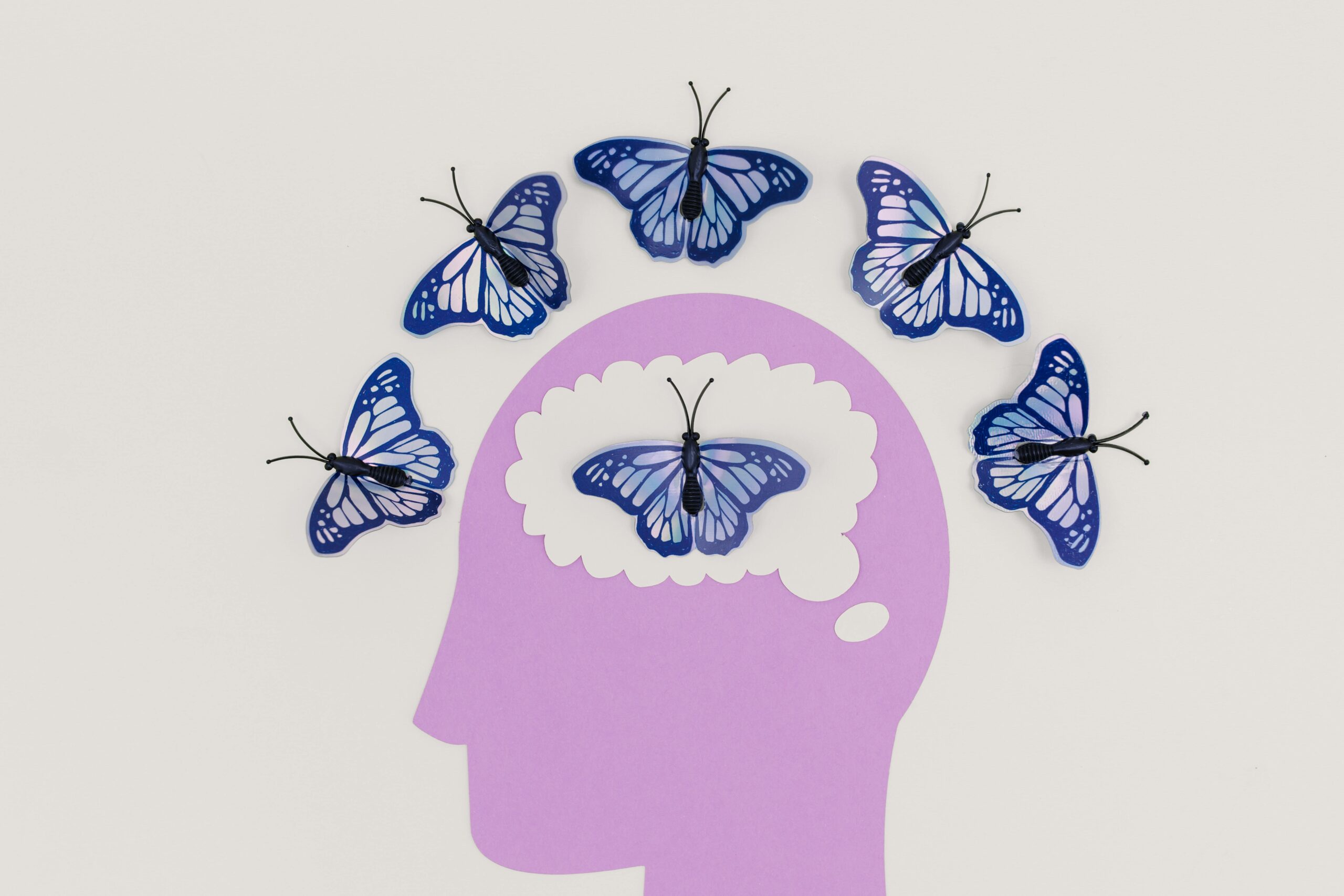
Your mind holds extraordinary power, yet most people use only a fraction of their cognitive abilities. Learning to harness your brain’s full potential through deliberate reflection can transform how you think, decide, and live.

Every day, you make thousands of decisions—from the mundane to the life-changing. The quality of these decisions shapes your career, relationships, and overall wellbeing. Yet how often do you pause to examine the thinking processes behind your choices? Cognitive reflection practices offer a systematic approach to upgrading your mental software, enabling clearer reasoning, better judgment, and more intentional action. By developing these transformative habits, you can unlock capabilities you never knew existed within your own mind.
🧠 Understanding Cognitive Reflection and Its Power
Cognitive reflection refers to the deliberate process of examining your own thinking patterns, assumptions, and mental models. Unlike passive contemplation, it involves actively questioning how you arrive at conclusions and why you believe what you believe. This metacognitive skill—thinking about thinking—distinguishes exceptional decision-makers from those who simply react to circumstances.
Research in cognitive psychology reveals that people who regularly practice reflection demonstrate superior problem-solving abilities, reduced cognitive biases, and enhanced emotional regulation. They’re less likely to fall prey to common thinking traps like confirmation bias, anchoring effects, or the availability heuristic. When you develop strong reflection habits, you essentially become your own quality control system for thoughts and decisions.
The brain’s neuroplasticity makes cognitive reflection particularly powerful. Each time you consciously examine your thought processes, you strengthen neural pathways associated with critical thinking and self-awareness. Over time, this deliberate practice becomes more automatic, fundamentally upgrading how your mind operates by default.
The Science Behind Reflective Thinking
Neuroscientific research shows that cognitive reflection activates the prefrontal cortex—the brain region responsible for executive functions like planning, reasoning, and impulse control. When you engage in reflective practices, you’re literally exercising this crucial brain area, much like strength training for your mental muscles.
Studies using functional MRI scans demonstrate that individuals trained in reflective thinking show increased activity in areas associated with metacognition and decreased activity in regions linked to automatic, reactive thinking. This neural shift translates to tangible improvements in decision quality, creative problem-solving, and long-term planning capabilities.
The Default Mode Network (DMN), a brain system active during introspection and self-referential thinking, plays a vital role in reflection. Properly engaging this network through structured practices helps consolidate learning, process experiences, and identify patterns that would otherwise remain hidden in the noise of daily life.
🎯 Core Cognitive Reflection Practices That Transform Thinking
The Daily Mental Audit
Begin each day by spending five minutes reviewing your mental state and thought patterns. Ask yourself targeted questions: What assumptions am I carrying into today? What emotions might cloud my judgment? What’s one thinking pattern I want to be mindful of? This morning ritual primes your awareness for more conscious thinking throughout the day.
Evening audits complement morning preparation perfectly. Before sleep, reflect on key decisions you made, examining what influenced them and whether they aligned with your values and goals. This practice creates a feedback loop that continuously refines your decision-making framework.
The Five Whys Technique
When facing important decisions or trying to understand your reactions, employ the Five Whys method. Start with a surface-level observation and ask “why” five times, drilling deeper with each iteration. This simple yet powerful practice uncovers root causes and hidden assumptions that drive your thinking.
For example, if you’re procrastinating on a project, ask why. Perhaps you’re anxious about it. Why? Maybe you fear it won’t meet expectations. Why does that concern you? The answers often reveal core beliefs and mental models that unconsciously guide behavior—insights that enable meaningful change.
Perspective Shifting Exercises
Train yourself to view situations from multiple angles by deliberately adopting different perspectives. When analyzing a problem, force yourself to argue both for and against your initial position. Consider how someone from a different culture, profession, or generation might view the same situation.
This cognitive flexibility prevents tunnel vision and reveals blind spots in your reasoning. It’s particularly valuable for complex decisions where multiple stakeholders or long-term consequences are involved. The practice strengthens your ability to hold contradictory ideas simultaneously—a hallmark of sophisticated thinking.
Building a Reflection Practice That Sticks
Consistency matters more than intensity when developing cognitive reflection habits. Starting with just five minutes daily proves more effective than sporadic hour-long sessions. Your brain adapts to regular practice, gradually making reflection feel natural rather than forced or time-consuming.
Create environmental triggers that prompt reflection. Many successful practitioners link reflection to existing routines—during morning coffee, commutes, or post-workout cooldowns. These contextual anchors help establish automatic cues that make the practice sustainable over months and years.
Consider using structured frameworks initially. Templates, prompts, or guided questions provide scaffolding while you develop your reflection muscles. As competence grows, you’ll naturally transition to more freestyle, intuitive reflection that feels personalized and authentic.
✍️ Journaling as a Cognitive Reflection Powerhouse
Written reflection amplifies cognitive benefits significantly. The act of translating thoughts into words forces clarity and structure that mental rumination alone cannot achieve. Journaling creates a permanent record that enables pattern recognition over time—you can literally see how your thinking evolves.
Different journaling approaches serve different cognitive goals. Stream-of-consciousness writing helps process emotions and clear mental clutter. Structured prompts develop specific thinking skills. Bullet journaling organizes thoughts systematically while maintaining flexibility. Experiment to discover what resonates with your cognitive style and goals.
Review past journal entries periodically to identify recurring themes, track decision outcomes, and observe personal growth. This longitudinal perspective provides insights impossible to gain from day-to-day experience alone. Many practitioners report that journal reviews reveal patterns they never consciously recognized.
Meditation and Mindfulness for Mental Clarity
Meditation serves as foundational training for cognitive reflection. The sustained attention and awareness cultivated through mindfulness practice directly enhance your ability to observe thoughts without immediately reacting to them. This metacognitive distance is essential for quality reflection.
Even brief daily meditation sessions—just 10-15 minutes—produce measurable improvements in attention control, emotional regulation, and cognitive flexibility. These benefits compound over time, creating a virtuous cycle where improved awareness enables better reflection, which in turn deepens awareness.
Focused attention meditation, where you concentrate on a single object like breath, builds the mental discipline required for sustained reflection. Open monitoring meditation, where you observe thoughts and sensations without attachment, develops the non-judgmental awareness crucial for honest self-examination.
🔍 Overcoming Common Reflection Obstacles
The Time Scarcity Trap
Many people abandon reflection practices claiming insufficient time, yet research shows that even five focused minutes yields significant benefits. The real issue isn’t time scarcity but priority allocation. Reflection is often the first activity sacrificed when schedules tighten, despite being precisely when it’s most valuable.
Reframe reflection as an investment rather than an expense. Those five daily minutes compound into hours of saved time through better decisions, fewer mistakes, and greater focus. High performers understand this mathematics and protect reflection time accordingly.
Confronting Uncomfortable Truths
Honest reflection sometimes reveals unflattering realities about our thinking, behavior, or motivations. This discomfort causes many people to practice superficial reflection that confirms existing beliefs rather than challenging them. Genuine cognitive growth requires tolerance for temporary discomfort.
Approach self-reflection with curiosity rather than judgment. Frame discoveries as valuable data rather than personal failures. The goal isn’t perfection but continuous improvement—each insight, however uncomfortable, represents an opportunity for growth.
Analysis Paralysis and Overthinking
Some individuals swing to the opposite extreme, engaging in excessive rumination disguised as reflection. True cognitive reflection is purposeful and productive, leading to insights and action. Rumination is circular and draining, perpetuating anxiety without resolution.
Set clear boundaries for reflection sessions—specific time limits and defined objectives. If you notice thinking loops or emotional escalation, redirect to structured prompts or physically move to interrupt the pattern. Quality matters more than quantity in reflective practice.
💡 Practical Frameworks for Better Decision-Making
The 10-10-10 Rule
When facing decisions, consider how you’ll feel about the choice in 10 minutes, 10 months, and 10 years. This temporal perspective helps distinguish between immediate emotional reactions and long-term consequences. It’s particularly effective for counteracting present bias—our tendency to overweight immediate gratification.
The framework doesn’t require precise predictions but rather prompts consideration of different time horizons. Many decisions that seem critical in the moment reveal their insignificance when viewed through a 10-year lens, while others gain importance when long-term implications become visible.
Premortem Analysis
Before committing to important decisions, conduct a premortem: imagine your choice has failed spectacularly and work backwards to identify what went wrong. This counterintuitive practice overcomes optimism bias and reveals potential failure points that enthusiastic forward planning often misses.
Premortems generate more honest risk assessment than traditional planning methods. By assuming failure has occurred, you give yourself permission to voice concerns and identify weaknesses without appearing negative or unsupportive. The insights gained often prove crucial for success.
Decision Journals
Maintain a log of significant decisions, recording not just what you chose but why you chose it, what you expected to happen, and how you felt at the time. Review these entries months later to assess decision quality based on actual outcomes rather than hindsight-biased recollection.
This practice is transformative for calibrating judgment. Over time, you’ll identify which types of decisions you handle well and which consistently trip you up. You’ll recognize emotional states or circumstances that compromise your reasoning. This self-knowledge enables strategic compensations and continuous improvement.
🌟 Advanced Reflection Techniques for Cognitive Mastery
Mental Model Inventory
Mental models are the frameworks and heuristics you use to understand the world. Deliberately cataloging your mental models makes them available for conscious examination and improvement. Start by listing principles you rely on for decisions—concepts like first principles thinking, opportunity cost, margin of safety, or network effects.
Once identified, test these models against experience. Which serve you well? Which lead you astray in certain contexts? Where do you have blind spots lacking appropriate models? This inventory becomes a personal operating system you can debug and upgrade systematically.
Cognitive Bias Checks
Familiarize yourself with common cognitive biases—confirmation bias, availability heuristic, sunk cost fallacy, anchoring, and others. Before important decisions, systematically check for each bias that might apply. This conscious debugging helps override automatic mental shortcuts that often compromise judgment.
Create personal checklists for high-stakes decision categories. Pilots use preflight checklists even after thousands of flights because they prevent predictable errors. Your cognitive checklist serves the same function, ensuring you don’t skip crucial thinking steps when it matters most.
Socratic Questioning
Apply Socratic methods to your own thinking by asking probing questions: What’s the evidence for this belief? What are alternative explanations? What would convince me I’m wrong? What are the implications if I’m correct? These questions force rigorous examination that superficial reflection never achieves.
Practice this technique regularly, and it gradually becomes internalized. Eventually, Socratic questions arise automatically when you encounter new information or face decisions, providing built-in quality control for your thinking.
Integrating Reflection Into Daily Life
The most powerful reflection happens not in isolated sessions but woven throughout daily activities. Develop the habit of micro-reflections—brief pauses to check assumptions, consider alternatives, or examine emotional reactions. These moments accumulate into substantial cognitive development.
After meetings, conversations, or content consumption, take 30 seconds to extract key insights and note how they connect to existing knowledge. This active processing transforms passive experience into wisdom. The practice also significantly improves retention and recall.
Use transitions between activities as natural reflection points. When switching tasks, briefly assess how the previous one went and set intentions for the next. These tiny gaps become opportunities for continuous calibration rather than wasted time.
🚀 Measuring Your Cognitive Growth
Track specific, observable indicators of improved thinking rather than relying on subjective feelings. Monitor decision quality by recording predictions and checking accuracy. Note how often you catch yourself in biased thinking. Measure how quickly you adapt when receiving disconfirming information.
Solicit feedback from trusted colleagues or friends about changes they observe in your reasoning and judgment. External perspectives often detect improvements you’ve normalized and no longer notice. This feedback provides valuable validation and identifies areas for continued development.
Periodically attempt standardized cognitive reflection tests or reasoning exercises to benchmark progress. While not perfect measures, they provide rough indicators of developing skills. The Cognitive Reflection Test (CRT), for example, measures the tendency to override incorrect intuitive responses with correct reflective answers.
Creating Your Personalized Reflection System
No single approach works for everyone. Your optimal reflection practice depends on cognitive style, schedule, goals, and preferences. Some people thrive with structured templates, while others prefer freeform exploration. Morning reflectors differ from evening processors. Written journalers contrast with verbal processors who think best through conversation.
Experiment systematically with different techniques, durations, and times of day. Treat this experimentation as data collection about your cognitive patterns. After trying various approaches, you’ll identify what actually improves your thinking rather than what sounds good in theory.
Design your system for sustainability, not perfection. A modest practice you maintain for years generates far more benefit than an ambitious program you abandon after weeks. Start small, establish consistency, then gradually expand as reflection becomes habitual rather than effortful.

The Compound Effect of Consistent Practice
Cognitive reflection produces exponential rather than linear returns. Each insight builds on previous ones, creating an expanding foundation for increasingly sophisticated thinking. The person who reflects daily for a year doesn’t think just 365 times better—they think in qualitatively different ways.
This compound effect explains why successful people across domains consistently practice reflection despite demanding schedules. They’ve experienced firsthand how improved thinking creates advantages in every life area—better relationships, wiser financial decisions, more fulfilling career choices, and greater overall life satisfaction.
The investment you make in cognitive reflection today shapes the thinker you become tomorrow. Unlike many skills that plateau quickly, reflective capacity continues developing throughout life for those who practice consistently. Your mind’s potential remains largely untapped—these practices provide the keys to unlock it.
Begin your transformation today with just five minutes of structured reflection. Question one assumption, examine one decision, or explore one belief more deeply than usual. That single session won’t revolutionize your thinking, but it will start a process that, maintained consistently, absolutely will. Your clearest thinking and best decisions await on the other side of deliberate cognitive reflection.