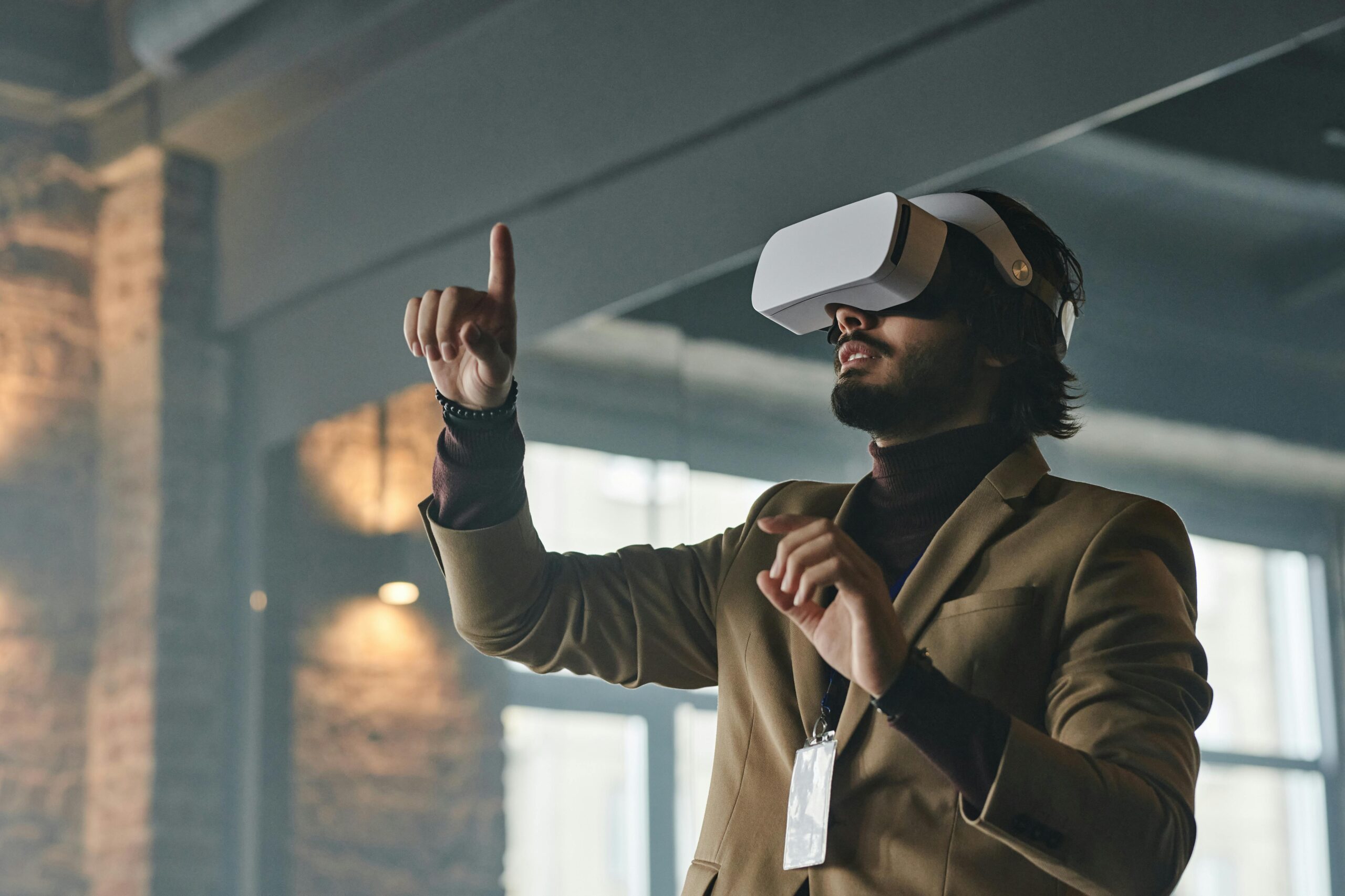
Augmented reality is revolutionizing how students engage with educational content, creating unprecedented opportunities for immersive learning experiences that bridge the gap between digital and physical worlds.

The traditional classroom model, while foundational to education for centuries, is undergoing a profound transformation. As we navigate an increasingly digital landscape, educators and institutions are seeking innovative approaches that capture students’ attention, enhance comprehension, and prepare learners for a technology-driven future. Augmented reality (AR) stands at the forefront of this educational revolution, offering dynamic, interactive experiences that transform abstract concepts into tangible, manipulable 3D environments.
🚀 The AR Revolution in Modern Education
Augmented reality technology overlays digital information onto the physical world, creating hybrid learning environments where students can interact with virtual objects in real-time. Unlike virtual reality, which completely immerses users in artificial environments, AR enhances reality by adding layers of digital content that complement and enrich the learning experience. This distinction makes AR particularly valuable in educational settings, where maintaining connection to the physical classroom while accessing enhanced digital resources proves essential.
Educational institutions worldwide are witnessing remarkable results from AR implementation. Students demonstrate increased engagement levels, improved retention rates, and deeper understanding of complex subjects when learning through augmented reality experiences. The technology appeals to multiple learning styles simultaneously—visual, kinesthetic, and auditory learners all benefit from the multisensory nature of AR applications.
Breaking Down Complex Concepts Through Visualization
One of AR’s most powerful educational applications lies in visualizing concepts that traditionally challenge students. In biology classes, students can examine three-dimensional anatomical models, rotating organs, zooming into cellular structures, and observing physiological processes in real-time. Chemistry students manipulate molecular structures, watching bonds form and break as they experiment with different compounds without physical laboratory risks.
Physics education particularly benefits from AR visualization. Abstract concepts like electromagnetic fields, gravitational forces, and wave propagation become visible and interactive. Students can observe how changing variables affects outcomes instantly, developing intuitive understanding that traditional textbooks and static diagrams cannot provide. Mathematics education also transforms through AR, with geometric shapes, functions, and equations materializing in three-dimensional space where students can manipulate and explore them from multiple perspectives.
Historical and Cultural Immersion
History and social studies classrooms are experiencing renaissance through augmented reality. Students can virtually visit historical sites, explore ancient civilizations, and witness significant historical events through reconstructed AR environments. Imagine students examining Roman architecture by pointing their devices at classroom walls, suddenly surrounded by virtual Colosseum structures, or experiencing the Renaissance by interacting with 3D recreations of period artwork and innovations.
Language learning benefits tremendously from contextual AR experiences. Vocabulary acquisition accelerates when students see virtual labels on physical objects in their target language, or engage in conversations with AR-powered virtual native speakers. Cultural understanding deepens through immersive experiences that transport learners to different countries, markets, and social situations without leaving their classroom.
📱 Practical Implementation and Accessibility
The democratization of augmented reality technology has made educational AR increasingly accessible. Most modern smartphones and tablets possess the necessary processing power and camera capabilities to run sophisticated AR applications. This accessibility removes significant barriers to implementation, allowing schools with varying budgets to incorporate immersive learning experiences.
Several platforms have emerged specifically designed for educational AR content creation and delivery. Applications like Google Expeditions, Merge Cube, and AR Makr enable educators to access pre-built AR experiences or create custom content tailored to their curriculum needs. These tools typically require minimal technical expertise, empowering teachers to become content creators rather than passive technology consumers.
Overcoming Implementation Challenges
Despite AR’s tremendous potential, educational institutions face implementation challenges. Infrastructure requirements, including reliable high-speed internet connectivity and sufficient device availability, can strain school resources. Teacher training represents another significant consideration—educators need adequate professional development to effectively integrate AR into their pedagogical approaches rather than treating it as a novelty.
Content quality varies significantly across available AR educational applications. Educators must critically evaluate resources, ensuring they align with learning objectives, maintain pedagogical rigor, and provide genuine educational value beyond entertainment. The most effective AR learning experiences integrate seamlessly into comprehensive lesson plans rather than functioning as isolated technological demonstrations.
🎯 Enhancing Student Engagement and Motivation
Student engagement represents one of education’s most persistent challenges. Augmented reality addresses this challenge by transforming passive learning into active exploration. When students control their learning experiences, manipulating objects, conducting virtual experiments, and making discoveries through interaction, motivation increases substantially. The gamification elements often incorporated into AR applications—achievements, challenges, and progress tracking—further enhance engagement through familiar digital paradigms.
Research consistently demonstrates that AR experiences improve knowledge retention compared to traditional instructional methods. The multisensory nature of AR learning creates multiple memory pathways, strengthening recall. Students remember experiences they’ve actively participated in more effectively than information passively received through lectures or reading. This experiential learning approach aligns with constructivist educational theories emphasizing knowledge construction through active engagement.
Personalized Learning Pathways
Augmented reality enables unprecedented personalization in education. Students can progress through AR experiences at their own pace, repeating challenging concepts without class-wide delays or rushing through familiar material. Adaptive AR applications adjust difficulty levels based on student performance, providing additional support where needed and advancing challenges when mastery demonstrates readiness.
This personalization extends to learning preferences and accessibility needs. Students with different abilities benefit from AR’s multisensory approach—visual impairments can be accommodated through audio descriptions, while hearing impairments benefit from visual emphasis. Students with attention difficulties often show improved focus during AR activities, as the interactive nature maintains engagement more effectively than traditional instruction.
Collaborative Learning in Augmented Spaces
Modern education increasingly emphasizes collaboration and teamwork—skills essential for contemporary workplaces. Augmented reality facilitates collaborative learning experiences where multiple students simultaneously interact with shared AR content. Groups can work together to solve problems, conduct experiments, or create projects within augmented environments, developing both subject knowledge and interpersonal skills.
These collaborative AR experiences transcend physical boundaries. Students in different locations can participate in shared augmented environments, enabling global classroom connections and cultural exchanges. International collaboration becomes practical and affordable, exposing students to diverse perspectives and preparing them for increasingly globalized professional environments.
🔬 STEM Education Transformation
Science, Technology, Engineering, and Mathematics education experiences particularly dramatic transformation through augmented reality. Laboratory experiments that would be dangerous, expensive, or impossible in physical settings become accessible through AR simulations. Students can work with hazardous chemicals virtually, observe nuclear reactions, or conduct experiments requiring equipment beyond school budgets.
Engineering and design courses benefit from AR prototyping capabilities. Students create three-dimensional models, testing functionality and identifying design flaws before physical construction. Architecture students can visualize building designs at scale, examining structures from multiple angles and understanding spatial relationships intuitively. This practical application of theoretical knowledge bridges the gap between academic learning and real-world application.
Coding and Computational Thinking
Augmented reality provides engaging platforms for teaching coding and computational thinking. Students create AR experiences themselves, learning programming concepts through creative, meaningful projects. Visual programming interfaces designed for AR development make coding accessible to younger students and those without previous experience, democratizing computer science education.
These coding experiences emphasize problem-solving, logical thinking, and creativity—fundamental skills transferable across disciplines. Students see immediate results from their programming efforts as AR creations come to life, providing motivation and demonstrating the practical power of computational thinking.
Assessment and Progress Tracking
Augmented reality platforms offer sophisticated assessment capabilities that extend beyond traditional testing methods. Educators can observe student interactions within AR environments, analyzing problem-solving approaches, collaboration effectiveness, and conceptual understanding through behavioral data. This formative assessment provides insights into student thinking processes rather than merely evaluating final answers.
Many AR educational applications include built-in analytics tracking student progress, identifying areas requiring additional support, and demonstrating mastery achievement. These data-driven insights enable educators to make informed instructional decisions, differentiating instruction based on individual student needs. Parents also gain transparency into student learning through accessible progress reports generated from AR platform data.
🌍 Preparing Students for Future Realities
Beyond immediate educational benefits, AR literacy prepares students for futures where augmented reality will likely permeate professional and personal life. Industries from healthcare to manufacturing, retail to entertainment increasingly incorporate AR technologies. Students familiar with AR interfaces, comfortable navigating augmented environments, and capable of thinking spatially across physical-digital boundaries possess advantages in emerging job markets.
The critical thinking skills developed through AR learning experiences—evaluating digital information, understanding technological limitations, and balancing virtual and physical realities—represent essential digital citizenship competencies. As augmented reality becomes ubiquitous, students need guidance navigating these technologies thoughtfully and ethically.
Fostering Creativity and Innovation
Augmented reality empowers students to become creators rather than merely consumers of technology. Student-generated AR content—from historical recreations to scientific explanations, artistic expressions to community documentation—demonstrates learning while developing digital creation skills. This shift from passive reception to active creation fundamentally changes student relationships with technology and knowledge.
Innovation flourishes when students have tools to materialize their ideas. AR provides such tools, enabling imagination to manifest in shareable, interactive experiences. Students develop entrepreneurial thinking, considering how AR might solve real-world problems or enhance existing experiences—mindsets valuable regardless of eventual career paths.
Sustaining Educational AR Evolution
The augmented reality educational landscape continues evolving rapidly. Hardware improvements increase accessibility and capabilities, while software development produces increasingly sophisticated, pedagogically sound applications. Educational institutions must maintain flexibility, continuously evaluating emerging technologies and updating implementation strategies accordingly.
Professional learning communities focused on educational AR help teachers share best practices, troubleshoot challenges, and collaborate on content creation. These communities, both local and global, accelerate AR adoption by reducing individual learning curves and building collective expertise. Educational conferences increasingly feature AR showcases and workshops, legitimizing the technology within mainstream pedagogical discourse.
Investment in educational AR research remains critical. Rigorous studies examining long-term learning outcomes, identifying most effective implementation strategies, and understanding potential drawbacks inform evidence-based practices. As with any educational innovation, AR implementation should be guided by research rather than technology enthusiasm alone.
💡 The Path Forward
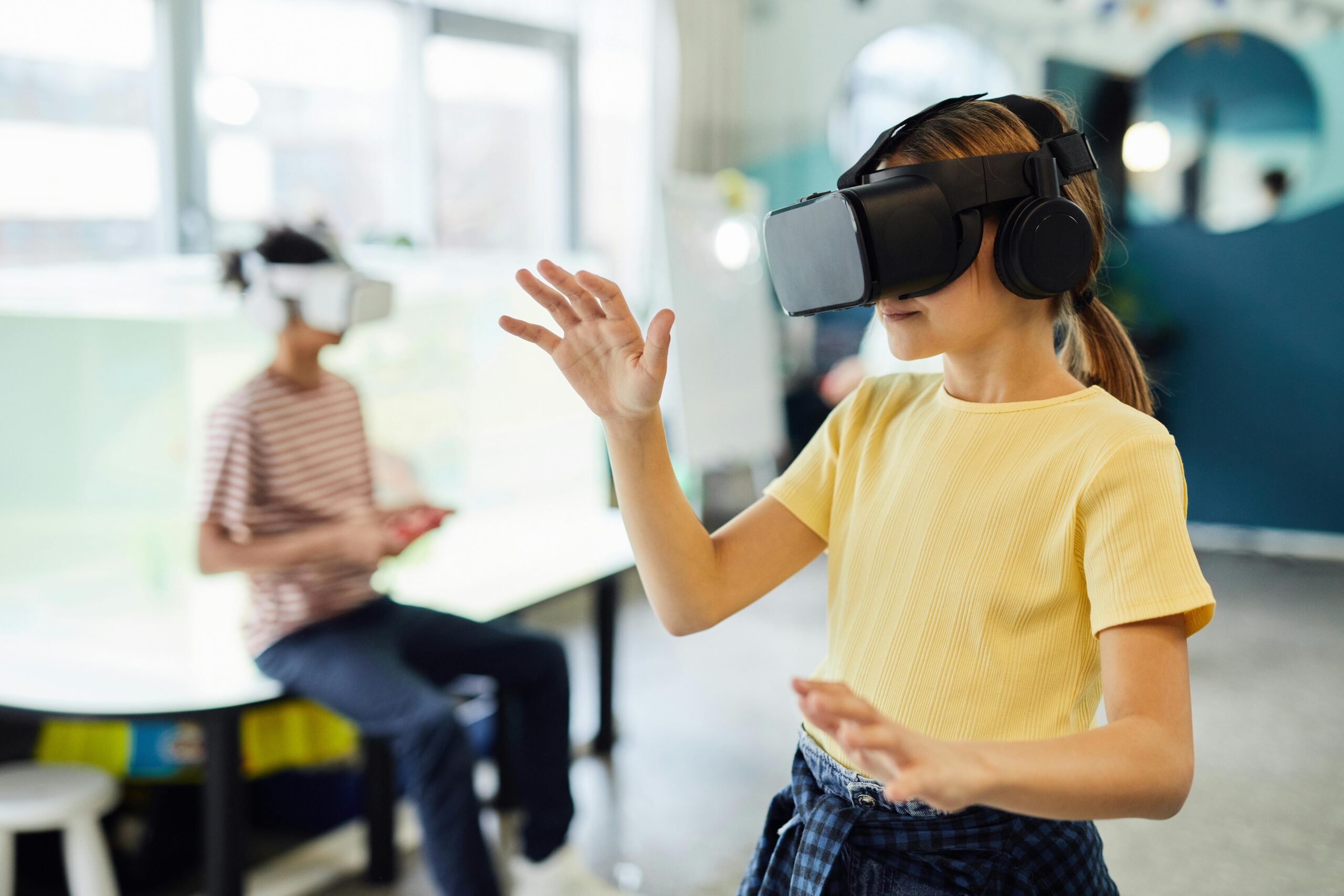
Augmented reality represents more than technological novelty in education—it embodies fundamental reimagining of teaching and learning relationships. By making abstract concepts tangible, distant phenomena immediate, and passive reception active exploration, AR addresses longstanding educational challenges while preparing students for technology-integrated futures.
Successful AR integration requires thoughtful implementation respecting pedagogical principles, supporting teachers through training and resources, ensuring equitable access, and maintaining focus on learning outcomes rather than technological impressiveness. When these conditions align, augmented reality transforms educational experiences, unlocking knowledge through immersive, engaging, and effective learning journeys.
The educational institutions embracing augmented reality today are not simply adopting new tools—they are pioneering learning environments where physical and digital seamlessly merge, where curiosity drives exploration, and where every student can access personalized, engaging educational experiences previously unimaginable. This transformation represents education’s future, and that future is already beginning to materialize in classrooms worldwide.