Immersive educational simulations are revolutionizing how students learn, bridging the gap between theoretical knowledge and practical application in ways traditional classrooms never could.

As technology continues to advance at an unprecedented pace, educators and learners alike are discovering the transformative potential of virtual environments that replicate real-world scenarios. These digital platforms offer safe spaces where mistakes become learning opportunities, complex concepts transform into tangible experiences, and engagement reaches levels previously unimaginable in conventional educational settings.
🚀 The Revolution of Learning Through Virtual Immersion
Educational simulations have emerged as powerful tools that fundamentally change the learning paradigm. Unlike passive learning methods where students simply absorb information, immersive simulations place learners at the center of their educational journey, making them active participants in knowledge construction.
These dynamic virtual environments recreate scenarios ranging from historical events and scientific experiments to medical procedures and business operations. Students can explore ancient civilizations, conduct chemistry experiments without physical lab equipment, perform surgical procedures on virtual patients, or manage complex corporate strategies—all without leaving their learning space.
The beauty of simulation-based learning lies in its ability to compress time and space. Events that would take years to unfold in reality can be experienced in minutes. Locations that are geographically distant or financially inaccessible become instantly available. Dangerous situations can be navigated safely, and expensive mistakes carry no real-world consequences.
Building Neural Pathways Through Experience
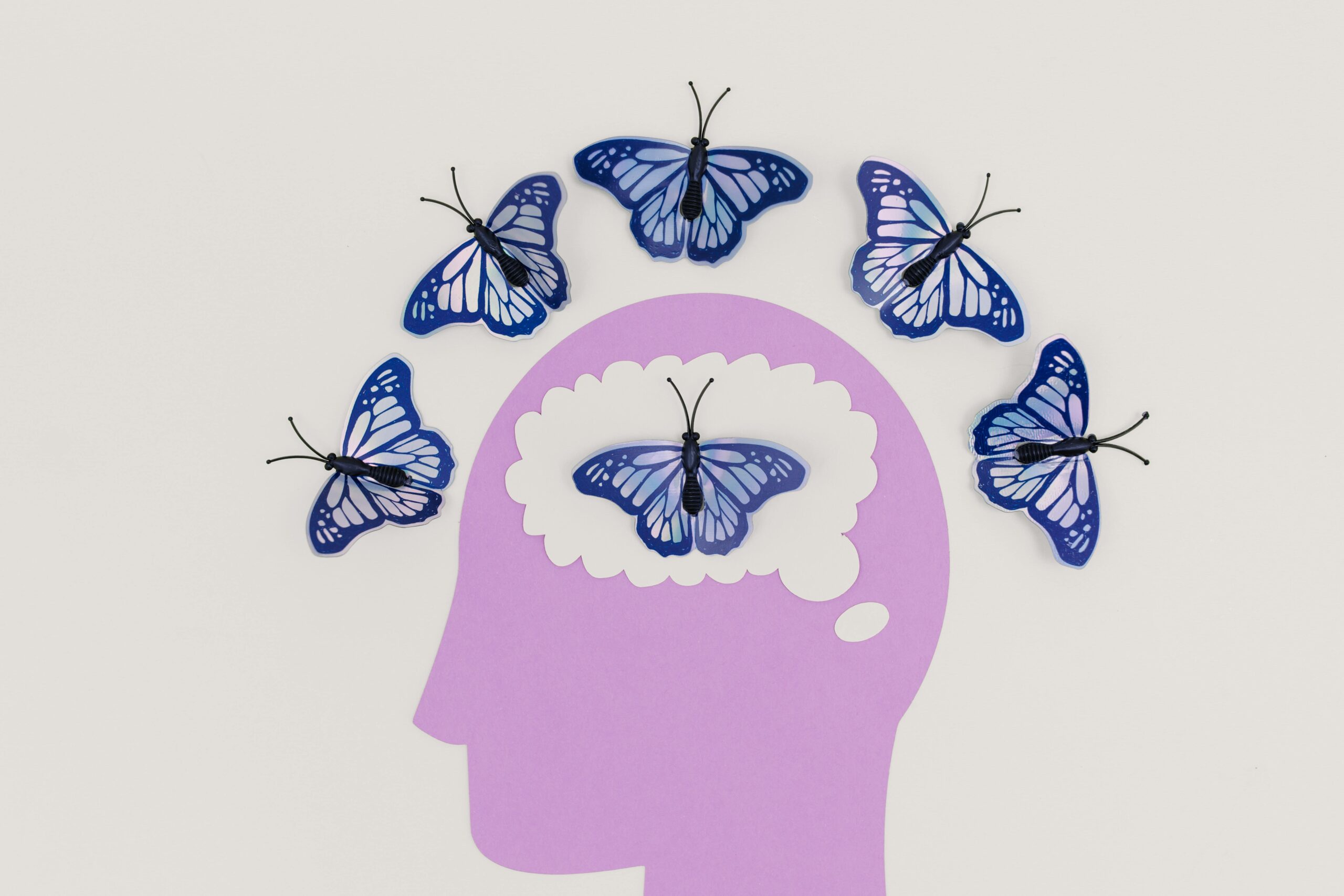
Neuroscience research confirms what educators have long suspected: experiential learning creates stronger neural connections than passive information reception. When students engage with immersive simulations, their brains process information through multiple channels simultaneously—visual, auditory, kinesthetic, and cognitive—resulting in deeper understanding and better retention.
This multisensory engagement activates different brain regions, creating a rich tapestry of neural pathways that make information retrieval easier and more intuitive. Students don’t just memorize facts; they develop genuine understanding through direct interaction with concepts and principles.
📊 Key Benefits That Drive Educational Excellence
The advantages of immersive educational simulations extend far beyond novelty or entertainment value. They address fundamental challenges in education while opening new possibilities for personalized learning experiences.
Enhanced Engagement and Motivation
Student disengagement remains one of education’s most persistent challenges. Immersive simulations combat this issue by tapping into natural human curiosity and the intrinsic motivation that comes from interactive exploration. When learning feels like discovery rather than obligation, students become self-directed learners who pursue knowledge actively.
The game-like elements often incorporated into educational simulations—such as progress tracking, achievement systems, and immediate feedback—leverage principles from behavioral psychology to maintain sustained interest. Students experience a sense of agency and accomplishment that traditional textbook learning rarely provides.
Safe Practice Environments for High-Stakes Skills
Certain professions require mastery of skills where mistakes can have serious consequences. Medical students need to develop surgical precision, pilots must handle emergency situations, and engineers need to understand system failures. Immersive simulations provide risk-free environments where learners can make mistakes, analyze outcomes, and refine their approaches without endangering lives or resources.
This safety factor also reduces learning anxiety. Students feel more comfortable experimenting and taking intellectual risks when failure doesn’t carry real-world penalties, fostering a growth mindset essential for deep learning.
Accessibility and Equity in Education
Virtual simulations democratize access to high-quality learning experiences. A student in a rural area with limited laboratory facilities can conduct the same sophisticated experiments as someone attending an elite institution. Historical sites, museums, and research facilities become accessible regardless of geographic or economic constraints.
This leveling of the educational playing field has profound implications for social equity, allowing talent and ambition rather than circumstance to determine educational outcomes.
🎯 Implementation Strategies for Maximum Impact
Successfully integrating immersive simulations into educational programs requires thoughtful planning and strategic execution. The technology itself is merely a tool; its effectiveness depends on how educators deploy it within broader pedagogical frameworks.
Aligning Simulations with Learning Objectives
Effective implementation begins with clear identification of learning goals. What specific competencies should students develop? Which concepts prove most challenging through traditional instruction? Where do hands-on experiences provide the greatest value? Answering these questions helps educators select or design simulations that complement rather than distract from core curriculum objectives.
The best educational simulations are those seamlessly integrated into comprehensive learning pathways, serving as catalysts for deeper exploration rather than standalone novelties.
Scaffolding and Guided Discovery
While immersive simulations excel at facilitating discovery learning, complete freedom without structure can overwhelm students. Effective implementation balances exploration with guidance, providing scaffolding that supports learners while encouraging independent problem-solving.
This might include pre-simulation briefings that establish context, embedded hints that activate when students struggle, or structured debriefing sessions where learners reflect on experiences and extract broader principles. The goal is to maintain engagement while ensuring educational value.
Assessment and Learning Analytics
Modern educational simulations generate rich data about student interactions, decision-making patterns, and skill development trajectories. Educators can leverage this information to provide personalized feedback, identify struggling students early, and continuously refine instructional approaches.
These analytics transform assessment from a periodic evaluation to an ongoing process of formative feedback that guides both teaching and learning in real-time.
🌐 Diverse Applications Across Disciplines
The versatility of immersive educational simulations makes them valuable across virtually every academic discipline and professional training context.
Science and Engineering Education
Physics simulations allow students to manipulate variables impossible to control in physical experiments, observing phenomena at atomic scales or astronomical distances. Chemistry students can safely explore reactions that would be too dangerous or expensive in traditional labs. Engineering learners can design, test, and iterate on structures or systems without material costs.
These applications not only teach specific content but also develop scientific thinking—the ability to form hypotheses, design experiments, analyze data, and draw evidence-based conclusions.
Healthcare and Medical Training
Medical education has enthusiastically embraced simulation technology, recognizing its potential to improve patient safety while accelerating skill development. Virtual patients allow medical students to practice diagnostic reasoning, surgical techniques, and patient communication in realistic scenarios.
These simulations can present rare conditions that students might not encounter during traditional clinical rotations, ensuring comprehensive preparation for professional practice. The ability to repeat procedures until mastery is achieved produces more confident and competent healthcare professionals.
Business and Leadership Development
Business simulations immerse students in complex organizational dynamics, market forces, and strategic decision-making. Learners might manage virtual companies, navigate economic crises, or lead teams through organizational change—experiencing the consequences of their choices in compressed timeframes.
These experiences develop critical thinking, strategic planning, and leadership capabilities that purely theoretical business education cannot adequately address.
History and Social Studies
Imagine walking through ancient Rome at its peak, witnessing historical events unfold, or experiencing daily life in different cultures and time periods. Historical simulations transform abstract dates and names into vivid, memorable experiences that foster genuine historical empathy and understanding.
Students develop nuanced perspectives on complex events when they can explore multiple viewpoints and understand the contextual factors that shaped historical decisions.
💡 Overcoming Implementation Challenges
Despite their considerable promise, immersive educational simulations face practical challenges that educators and institutions must address thoughtfully.
Technology Infrastructure and Access
High-quality simulations often require robust hardware and reliable internet connectivity—resources not universally available in all educational settings. Institutions must carefully evaluate their technical capacity and consider phased implementation approaches that begin with less resource-intensive applications.
Increasingly, cloud-based solutions and mobile-compatible platforms are expanding access, allowing simulations to run on standard devices without specialized equipment.
Educator Training and Support
Technology integration succeeds only when educators feel confident using new tools and understand how to maximize their pedagogical value. Comprehensive professional development programs that go beyond technical training to address instructional strategies are essential.
Educators need time to experiment with simulations, develop lesson plans, and share best practices with colleagues. Creating communities of practice around simulation-based learning accelerates adoption and improves implementation quality.
Balancing Virtual and Physical Experiences
Simulations should enhance rather than replace all traditional learning experiences. Hands-on laboratory work, face-to-face discussion, and direct interaction with physical materials retain unique educational value. The most effective educational programs thoughtfully blend virtual and physical experiences, leveraging each approach’s distinctive strengths.
🔮 The Future Landscape of Educational Simulations
Emerging technologies promise to make educational simulations even more powerful and accessible in coming years.
Artificial Intelligence and Adaptive Learning
AI integration enables simulations to adapt dynamically to individual learners, adjusting difficulty levels, providing personalized hints, and creating unique scenarios tailored to each student’s needs and learning style. These intelligent systems can serve as virtual tutors, offering support precisely when and how students need it most.
Virtual and Augmented Reality Evolution
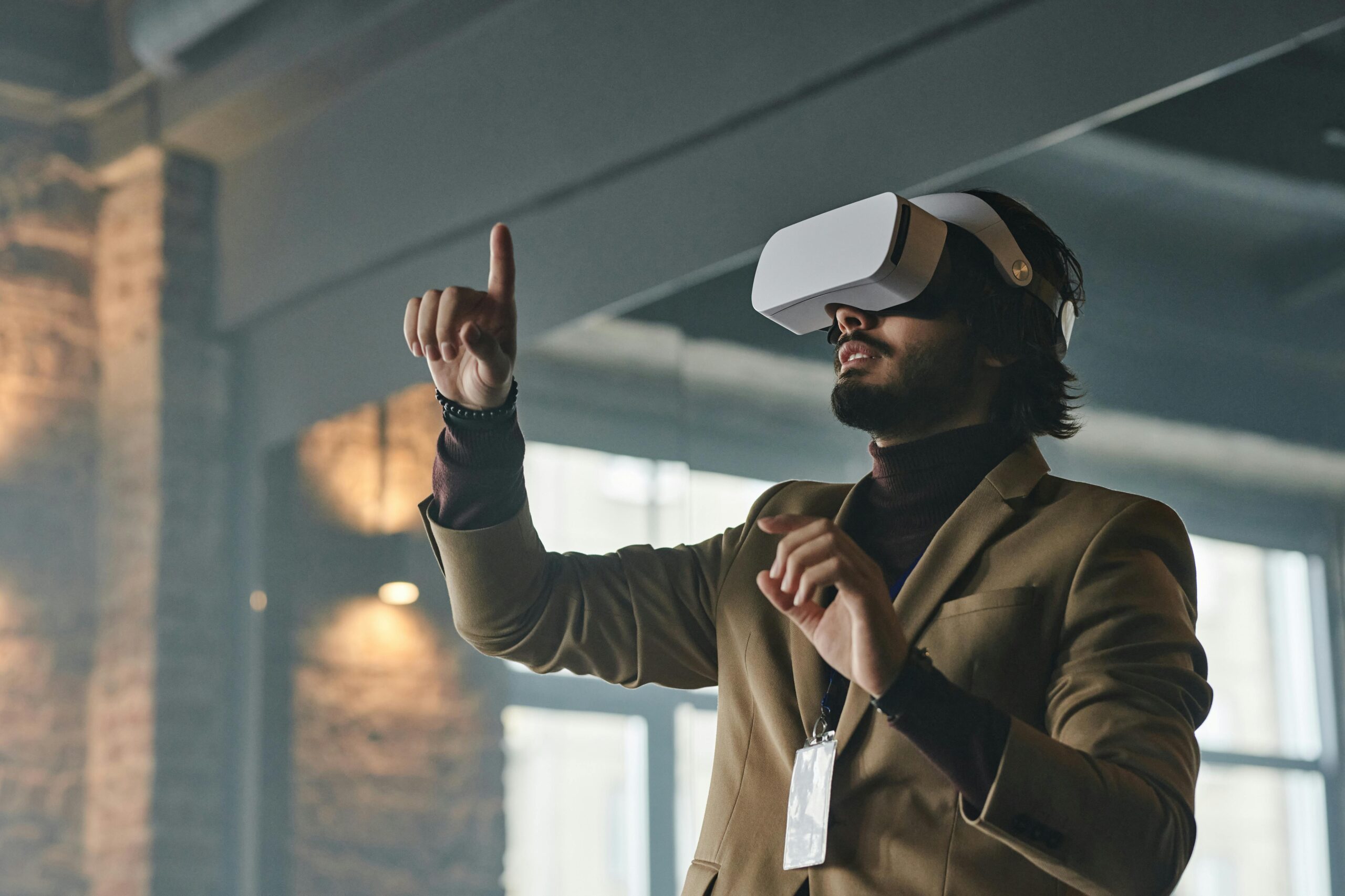
As VR and AR technologies become more affordable and user-friendly, truly immersive experiences will become mainstream in education. Students will not just observe simulations on screens but inhabit virtual environments with full sensory engagement, further blurring the line between virtual learning and real experience.
Collaborative Virtual Environments
Future simulations will increasingly emphasize social learning, allowing students from around the world to collaborate in shared virtual spaces. These collaborative environments will develop communication skills, cultural competency, and teamwork capabilities while addressing academic content.
🎓 Maximizing Student Success Through Immersive Learning
For students and learners looking to excel in environments utilizing educational simulations, several strategies enhance the learning experience.
Approach simulations with genuine curiosity rather than simply trying to find “correct answers.” The exploratory nature of these environments rewards those willing to experiment, fail, and iterate. Take time to reflect on experiences, connecting what happens in simulations to broader concepts and real-world applications.
Engage actively with all features of simulations, including data displays, feedback mechanisms, and analytical tools. These elements provide insights that deepen understanding beyond surface-level engagement. Discuss experiences with peers, comparing approaches and outcomes to develop more sophisticated mental models.
Remember that simulations complement rather than replace other learning activities. Integrate insights from virtual experiences with reading, lectures, and physical practice to build comprehensive understanding.
🌟 Creating Transformative Learning Experiences
Immersive educational simulations represent more than technological innovation—they embody a fundamental reimagining of what education can achieve. By placing learners in active roles where they explore, experiment, and discover, these virtual environments cultivate the deep understanding, critical thinking, and practical competencies that define excellence in the 21st century.
The most successful implementations recognize that technology serves learning goals rather than determining them. When educators thoughtfully integrate simulations within comprehensive instructional designs, support students in extracting maximum value from virtual experiences, and continuously refine approaches based on evidence, immersive learning environments deliver on their transformative promise.
As educational institutions worldwide embrace these powerful tools, we move closer to a future where all learners—regardless of background or circumstance—can access world-class educational experiences that prepare them for success in an increasingly complex world. The journey from passive information reception to active knowledge construction transforms not just what students learn, but who they become as thinkers, problem-solvers, and lifelong learners.
The revolution in educational simulations has only just begun, and its potential to democratize excellence in learning while addressing persistent educational challenges makes it one of the most exciting developments in modern pedagogy. Those who embrace this transformation today are positioning themselves at the forefront of educational innovation that will shape learning for generations to come.